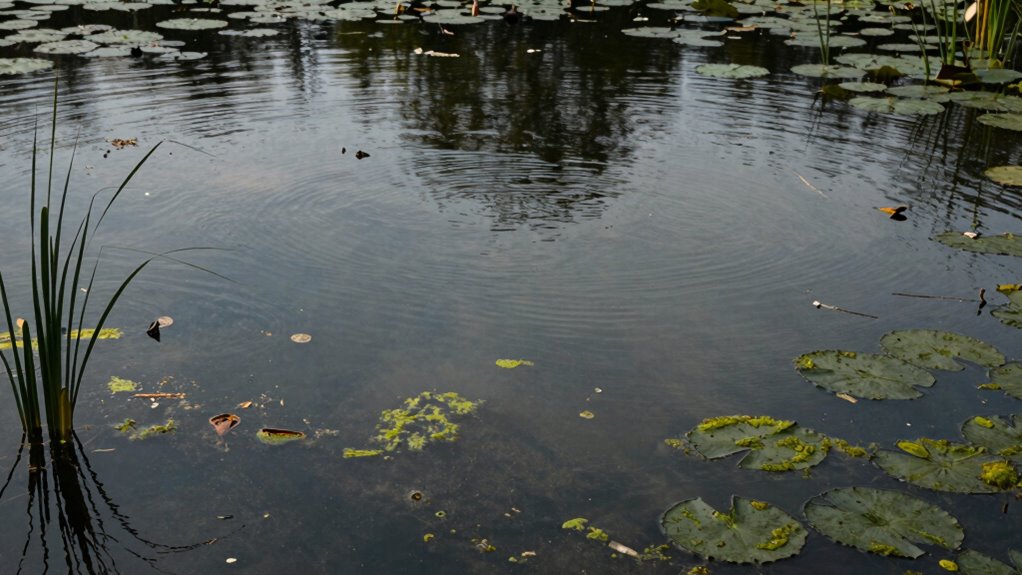

Stagnant water zones in your pond, often caused by poor circulation or overgrown plants, create ideal breeding spots for mosquitoes. These dead zones lack oxygen and movement, making them inviting for mosquito eggs to hatch and larvae to thrive. By improving water flow and managing plant growth, you reduce these breeding grounds and support a healthier pond. If you’d like to discover effective methods to keep your pond mosquito-free, there’s more to explore.

Get garden gear delivered free with Prime
- Fast, free delivery on millions of items
- Prime Video, Amazon Music and more included
- Member-only deals all year
Key Takeaways
- Dead zones lack water movement, creating stagnant areas ideal for mosquito breeding.
- Poor circulation allows organic matter to decompose, providing food for mosquito larvae.
- Stagnant water in dead zones reduces oxygen, harming aquatic life and promoting mosquito habitat.
- Lack of flow prevents distribution of predators that control mosquito larvae.
- Dead zones increase the risk of mosquito-borne diseases by offering ideal breeding conditions.
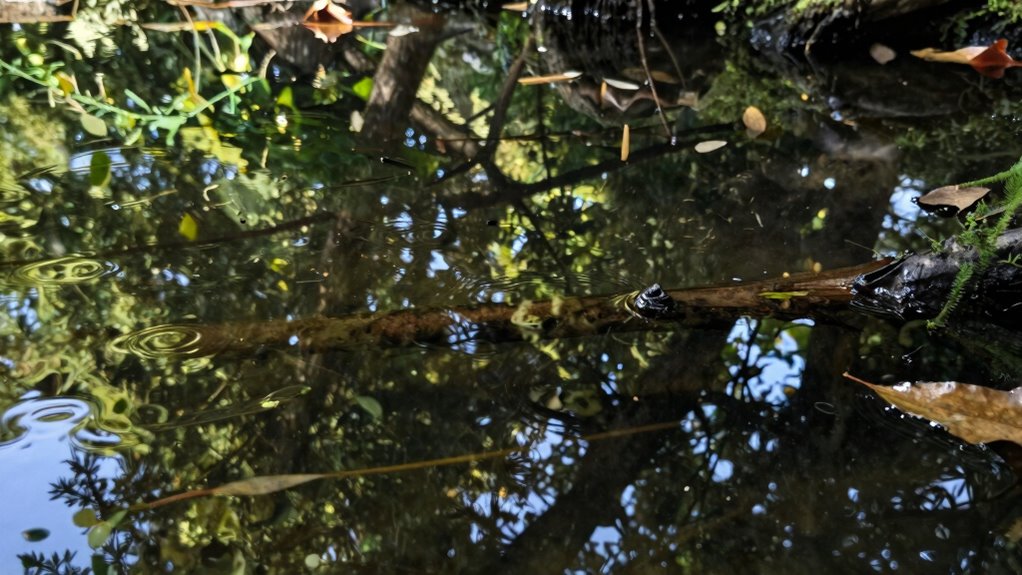
Pond circulation plays a crucial role in controlling mosquito populations around your water features. When your pond isn’t moving enough, it creates stagnant areas, or dead zones, where mosquitoes thrive. These dead zones become perfect breeding grounds because mosquito larvae need still water to develop. To prevent this, you need to keep the water moving, which discourages mosquitoes from laying eggs and hampers their development.
Proper pond circulation prevents stagnant areas, reducing mosquito breeding grounds and supporting a healthy water feature.
One effective way to promote proper pond circulation is through aquatic plant management. While plants are essential for a healthy ecosystem, overgrowth or poorly managed aquatic plants can block water flow and create pockets of stagnation. By carefully controlling these plants—removing excess or decaying vegetation—you help maintain better water movement. This not only improves circulation but also reduces organic matter that can decompose and further promote stagnant conditions. Proper aquatic plant management ensures your pond remains a dynamic environment that discourages mosquito breeding, rather than a stagnant, mosquito-friendly habitat.
In addition to managing plants, chemical treatment methods can be a practical solution to control mosquito populations. Larvicides and other chemical treatments can be applied to target mosquito larvae directly in the water, especially in areas where circulation is difficult to maintain or when natural methods aren’t enough. These treatments are designed to disrupt the development of mosquito larvae without harming other aquatic life when used correctly. Combining chemical treatments with good pond circulation creates a thorough approach to mosquito control, reducing the chance for larvae to mature into biting adults.
However, chemical treatments should be used responsibly and as part of an integrated pest management plan. Relying solely on chemicals without addressing circulation issues or aquatic plant overgrowth won’t be as effective. Additionally, understanding the importance of pond circulation helps you create a balanced environment where water constantly moves and aquatic plants are managed properly. This way, you minimize mosquito breeding grounds naturally while supporting a healthy pond ecosystem. Maintaining proper water flow is essential for preventing stagnant conditions that favor mosquito development. Regularly monitoring your pond’s water quality can also help identify early signs of stagnation before mosquito populations become a problem. Ensuring adequate circulation encourages a healthy ecosystem and reduces the likelihood of stagnant water becoming a breeding haven for mosquitoes. Proper water circulation also enhances oxygen levels, which benefits aquatic life and overall pond health.
As an affiliate, we earn on qualifying purchases.
Frequently Asked Questions
How Long Does It Take for a Pond to Develop Dead Zones?
It usually takes a few weeks to a couple of months for a pond to develop dead zones if circulation isn’t maintained. Poor pond aeration and ineffective algae control contribute to low oxygen levels, creating these zones. During this time, algae blooms can worsen, further depleting oxygen. Regular aeration and algae management help prevent dead zones, keeping your pond healthy and reducing mosquito breeding sites.
Can Fish Help Reduce Mosquito Breeding in Stagnant Ponds?
You might think fish can’t do much to control mosquitoes, but some species are surprisingly effective. Fish like gambusia, koi, and goldfish eat mosquito larvae, naturally reducing mosquito breeding in stagnant ponds. By introducing these fish, you can harness their mosquito control abilities, turning your pond into a mosquito-free zone. It’s an ironic yet simple way to manage pests without chemicals, making your pond healthier and more enjoyable.
What Are Natural Methods to Improve Pond Circulation?
To improve pond circulation naturally, you should focus on aeration techniques that promote water movement. Installing solar-powered fountains or aerators creates ongoing water flow, preventing stagnant zones where mosquitoes breed. You can also introduce water features like waterfalls or gentle streams, which boost oxygen levels and keep water moving. Regularly removing debris and aquatic plants that block flow helps maintain healthy circulation, reducing dead zones and discouraging mosquito breeding.
Do All Mosquito Species Breed in Stagnant Water?
Almost all mosquito species thrive in stagnant water, turning your pond into a mosquito paradise. They see it as their perfect habitat, with plenty of breeding sites that make it easy to lay eggs. Some species prefer small containers, but many, like the common house mosquito, breed right in stagnant ponds. If you want to keep these pests away, improving pond circulation is your best bet to eliminate their favorite breeding sites.
How Does Vegetation Affect Pond Oxygen Levels and Mosquito Habitats?
Vegetation, like aquatic plants, influences pond oxygen levels and mosquito habitats considerably. Dense aquatic plants can lead to oxygen depletion as they decompose, creating dead zones where water circulation is minimal. These stagnant areas become ideal breeding grounds for mosquitoes, especially in warm, still water. Managing aquatic plant growth helps maintain better oxygen levels, reduces dead zones, and discourages mosquito breeding, promoting a healthier pond environment.
As an affiliate, we earn on qualifying purchases.
Conclusion
Remember, stagnant water is a breeding ground for mosquitoes, turning your pond into a haven for pests. Keeping the water moving with proper circulation not only prevents dead zones but also helps you avoid the nuisance and health risks mosquitoes bring. As the saying goes, “A stitch in time saves nine”—taking quick action to maintain pond circulation now can save you from bigger problems later. Stay proactive, and enjoy your pond without the unwanted guests.
As an affiliate, we earn on qualifying purchases.
As an affiliate, we earn on qualifying purchases.
Fall Picks
fall essentials
As an affiliate, we earn on qualifying purchases.