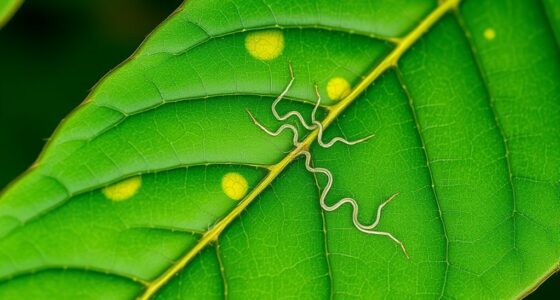

Surface mounds are raised bumps on or around a tree’s base caused by soil disturbance from activities like construction or foot traffic. In contrast, root feeders are insects beneath the soil that damage roots, often unseen until you notice symptoms like wilting or dieback. The key difference is that mounds are visible on the surface, while root feeders operate underground. Keep exploring to discover how to identify and manage these issues effectively.

Get garden gear delivered free with Prime
- Fast, free delivery on millions of items
- Prime Video, Amazon Music and more included
- Member-only deals all year
Key Takeaways
- Surface mounds are visible soil bumps caused by soil disturbance, while root feeders operate underground, often unseen.
- Mounds result from natural or human activity disturbing the soil; root feeders are insects damaging roots beneath the surface.
- Surface mounds can indicate soil movement or pest activity but are directly observable; root feeders’ damage manifests through symptoms.
- Managing surface mounds involves leveling soil; controlling root feeders requires pest management techniques.
- Early detection of damage signs helps differentiate surface-related issues from underground root pest activity.
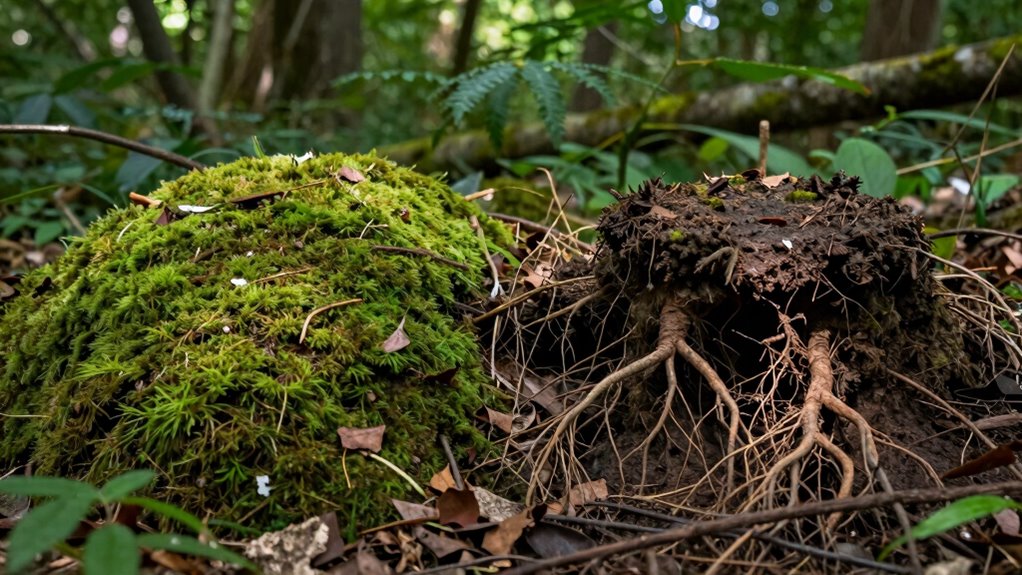
Understanding the difference between surface mounds and root feeders is essential for maintaining healthy trees and landscapes. While they might look similar at first glance, their causes, effects, and management strategies are quite different. Surface mounds are often raised areas or bumps around a tree’s base, while root feeders are insects that target the roots below the soil surface. Recognizing these differences helps you prevent damage and supports your trees’ overall health.
Knowing the difference between surface mounds and root feeders is key to healthy trees and landscapes.
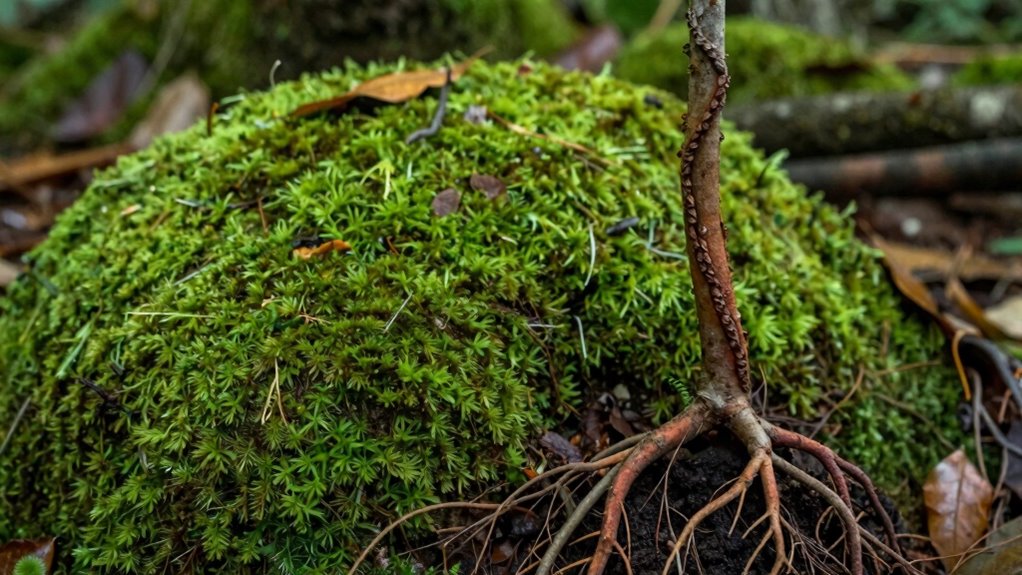
Surface mounds typically appear as small, often soil-filled mounds or bumps on the ground around a tree. They usually result from soil disturbance, either naturally or through human activity. For example, construction, landscaping, or even heavy foot traffic can loosen or shift soil, leading to these mounds. When you notice these, it’s important to consider how soil disturbance might be affecting your trees. Excessive soil movement can cause root damage, weaken the tree’s stability, and impair its ability to absorb nutrients and water. If you leave these mounds unaddressed, they can lead to issues like root rot or pest infestations, which threaten plant health. In many cases, reducing soil disturbance and leveling the ground can help restore proper soil conditions and prevent further issues. Proper landscaping techniques that minimize soil disruption are crucial for healthy tree growth. Additionally, understanding soil conditions can help you better manage and prevent future problems related to surface mounds. Being aware of soil health and its role in tree vitality can further enhance your landscape management practices. Regularly monitoring soil moisture levels can also prevent issues caused by poor drainage or overly compacted soil.
On the other hand, root feeders are insects, such as certain beetles or larvae, that specifically target a tree’s roots. These pests often go unnoticed because they work beneath the soil surface, away from your view. Their activity compromises root integrity, which directly impacts plant health. As they feed, they create tunnels and weaken the root system, making the tree more susceptible to disease, drought stress, or wind damage. Recognizing signs of root feeders, like wilting, dieback, or thinning foliage, prompts you to inspect for pest activity. Managing these pests typically involves targeted treatments or beneficial nematodes, rather than soil leveling or disturbance. Implementing integrated pest management strategies can help reduce the need for chemical interventions and promote a healthier ecosystem. Being proactive in pest detection helps to minimize damage and preserve your trees’ overall health and stability.
Understanding these distinctions enables you to respond appropriately. Soil disturbance from surface mounds can often be remedied by proper landscaping techniques that minimize future disruption, helping your trees recover and thrive. Conversely, controlling root feeders requires pest management strategies to eliminate the source of damage beneath the soil. Both issues highlight the importance of monitoring your landscape closely, intervening early, and understanding how soil disturbance and pest activity directly influence plant health. With this knowledge, you can make informed decisions that support the longevity and vitality of your trees and landscape.
As an affiliate, we earn on qualifying purchases.
Frequently Asked Questions
How Do Surface Mounds Impact Soil Aeration?
Surface mounds can improve soil aeration by reducing soil compaction, allowing air to circulate better. They create tiny channels that enhance water infiltration, preventing water runoff and promoting root health. However, if not managed properly, these mounds might trap excess water, leading to poor aeration and soggy soil. Overall, surface mounds positively influence soil aeration by breaking compacted layers and facilitating better water movement into the ground.
Can Root Feeders Cause Damage to Nearby Structures?
Root feeders can indeed cause damage to nearby structures, mainly by affecting tree stability and causing soil compaction. As they grow, their roots may invade foundations or underground pipes, leading to cracks or leaks. Additionally, the increased soil pressure from extensive root systems can destabilize trees, making them prone to falling. You should monitor trees with aggressive root feeders closely to prevent potential structural damage or safety hazards.
Are There Environmental Concerns With Removing These Features?
Removing root feeders can have environmental impacts, especially if done improperly. For example, disturbing a tree’s roots might harm nearby plants or disrupt soil stability. When considering removal, you need to think about environmental impact and guarantee minimal disruption to surrounding ecosystems. Removal considerations include timing, equipment used, and preventing soil erosion, all of which help protect the environment while addressing the issue effectively.
What Are the Signs of Underground Root Feeder Activity?
You can spot underground root feeder activity through signs like irregular root growth patterns and soil disruption around trees. Look for areas where the soil seems unnaturally disturbed, with roots pushing upward or uneven surface mounds forming. These indicators suggest the roots are actively feeding beneath the surface, which can weaken the tree over time. Monitoring these signs helps you understand root health and potential environmental impacts.
How Do These Features Affect Landscape Irrigation?
Like a sneaky thief in the night, root feeders subtly disrupt your landscape, affecting irrigation. They cause soil compaction, making it hard for water to soak in, and lead to water runoff, wasting precious resources. This means you might need to water more often or adjust your sprinkler system to guarantee even coverage. Recognizing these signs helps you maintain a healthy, well-irrigated landscape, preventing costly damage down the line.
As an affiliate, we earn on qualifying purchases.
Conclusion
Understanding the difference between surface mounds and root feeders can save your plants from unnecessary damage. Did you know that over 70% of tree health issues are caused by root feeders? By recognizing the signs early, you can take action before the problem spreads. So, keep a close eye on your plants and act swiftly—your garden’s health depends on it. Stay vigilant, and your plants will thank you for it.
As an affiliate, we earn on qualifying purchases.
insecticide for underground pests
As an affiliate, we earn on qualifying purchases.
As an affiliate, we earn on qualifying purchases.
Fall Picks
fall essentials
As an affiliate, we earn on qualifying purchases.