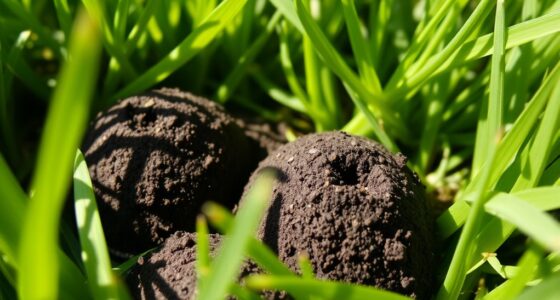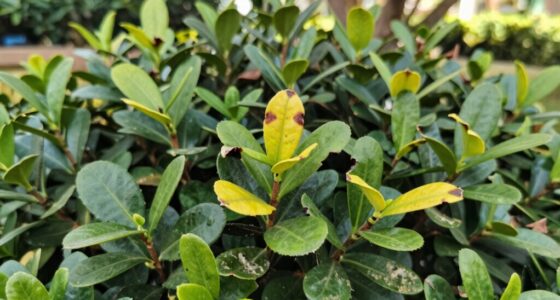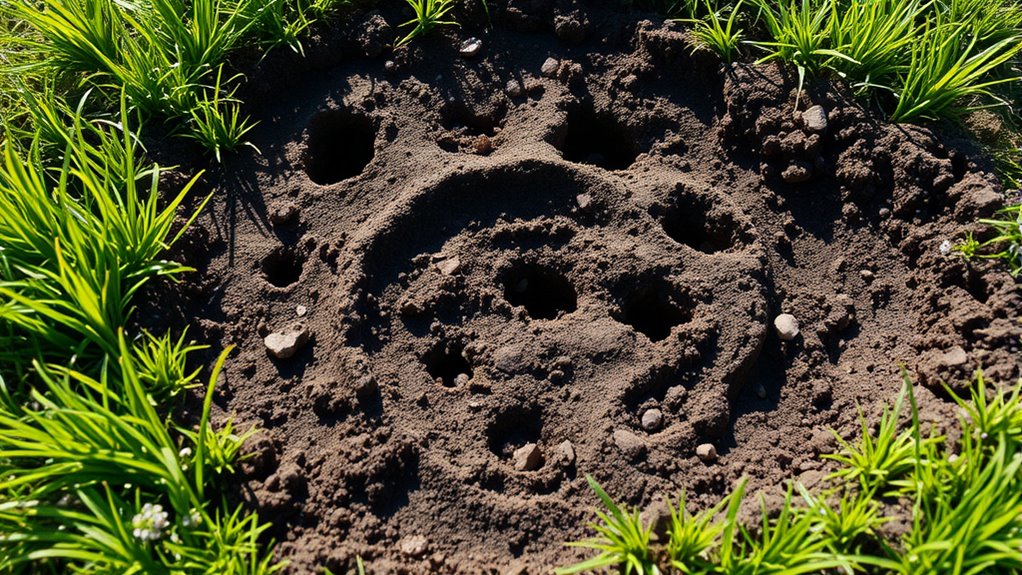

If you notice soil patches that shift easily, plants wilting despite proper watering, or shredded roots, voles may be tunneling in your landscape. Their activity often results in loose, exposed dirt and uneven terrain that can undermine plant stability. To prevent damage, reduce thick vegetation, clear debris, and install barriers like hardware cloth. Early detection is key—stay alert for fresh tunnels or chewed plants to better protect your yard’s health and structure.

Get garden gear delivered free with Prime
- Fast, free delivery on millions of items
- Prime Video, Amazon Music and more included
- Member-only deals all year
Key Takeaways
- Look for soil patches that shift or wash away easily, indicating tunneling activity.
- Identify signs of plant damage, such as shredded roots or chewed stems, near affected areas.
- Detect surface runways or shallow tunnels in dense grass, leaf litter, or mulch zones.
- Reduce habitat attractiveness by trimming vegetation and removing debris to discourage vole activity.
- Use humane traps along runways and inspect landscapes regularly for early signs of tunneling.

Voles are small, burrowing rodents that profoundly influence landscape ecosystems through their tunneling activities. When these tiny creatures move beneath the surface, they can cause significant changes to your landscape, especially if you’re not paying attention. One of the most noticeable effects of vole activity is soil erosion. As they tunnel through the soil, they disturb the natural structure, leading to loose, exposed dirt that’s vulnerable to being washed or blown away. This erosion can undermine plant roots, weaken the stability of your garden beds, and create uneven terrain. If you notice patches of soil that seem to be shifting or washing away more quickly than usual, it could be a sign that voles are active underground. Additionally, their tunneling can disrupt the soil structure, making it more prone to compaction and failure over time. Alongside soil erosion, plant damage is another clear indicator of vole presence. These rodents often feed on the roots, bulbs, and stems of plants, especially in the early spring and late fall when food sources are scarce. You might see wilting or yellowing plants that suddenly die back, even if you’ve been watering properly. Shredded plant roots and chewed stems are common signs that voles are gnawing on your greenery. If you notice that certain areas of your yard or garden are consistently losing plants or that the foliage appears nibbled or disturbed, it’s worth investigating further. Voles tend to favor areas with dense ground cover or thick grass, where they can hide easily and find food. Preventing vole damage requires a proactive approach. Start by trimming back thick vegetation and removing debris that provides cover for these rodents. Installing physical barriers, such as underground hardware cloth or fencing, can keep voles out of garden beds and flower pots. You should also consider habitat modification—reducing mulch, leaf litter, and tall grasses around your property makes it less attractive to voles. Trapping can be effective if you spot early signs of activity; setting humane traps along their runways can help control their numbers. Regularly inspecting your landscape for fresh tunneling or chewed plant parts allows you to catch problems early before they cause extensive plant damage or soil erosion.
hardware cloth for vole prevention
As an affiliate, we earn on qualifying purchases.
As an affiliate, we earn on qualifying purchases.
Frequently Asked Questions
How Can I Distinguish Vole Tunneling From Other Burrowing Animals?
You can distinguish vole tunneling from other burrowing animals by looking for identification clues like shallow, surface runways and small, neat entrances about 1-2 inches wide. Vole burrows often create a network of tunnels just beneath the grass or soil surface, forming irregular patterns. Unlike gophers or moles, they rarely leave mounds of soil. Check for shredded plant roots and chewed vegetation, which are common signs of vole activity.
Are There Natural Predators That Control Vole Populations Effectively?
Imagine a scene from the Wild West—nature’s own shootout for balance. Yes, natural predators like hawks, owls, foxes, and snakes help control vole populations effectively. They play an essential role in maintaining ecosystem balance by limiting vole numbers naturally. Supporting these predators through habitat conservation guarantees a healthy ecosystem. Relying on natural predator dynamics reduces the need for chemical controls and keeps your landscape thriving in harmony.
What Are Environmentally Friendly Methods to Prevent Vole Tunneling?
You can prevent vole tunneling naturally by using repellents like castor oil or planting vole-repellent plants such as daffodils. Habitat modification also helps—remove dense ground cover, debris, and weeds that provide cover for voles. These environmentally friendly methods discourage voles from settling in your landscape, reducing tunneling activity without harmful chemicals. Regularly maintaining your yard keeps vole populations at bay and promotes a healthy, balanced environment.
How Does Vole Tunneling Impact Plant Root Systems Long-Term?
Vole tunneling can cause long-term damage by disrupting soil structure, leading to soil compaction that hampers root growth. Their tunnels often expose roots to decay and disease, weakening plants over time. As roots struggle with poor aeration and increased vulnerability, your landscape’s health declines. To protect roots, it’s essential to prevent tunneling, maintain soil health, and address vole activity early before significant root decay occurs.
When Is the Best Time of Year to Implement Vole Prevention Strategies?
Like a wise gardener anticipating spring’s bloom, you should implement vole prevention strategies early fall or late winter. During these times, their seasonal activity ramps up, and weather considerations make trapping and barriers more effective. Acting before signs of tunneling appear helps protect your landscape. Keep an eye on weather patterns; milder seasons often mean more vole activity, so stay proactive to safeguard your plants.
As an affiliate, we earn on qualifying purchases.
Conclusion
If you ignore vole tunneling, your landscape could turn into a miniature moon crater overnight! These tiny troublemakers tunnel through your yard like underground ninjas, causing chaos and destruction on a colossal scale. But don’t worry—by staying vigilant and taking prevention measures, you can outsmart these tiny tunneling terrorists. Act now before your garden transforms into a wacky maze of holes, and you find yourself buried under a mountain of costly repairs!
As an affiliate, we earn on qualifying purchases.
garden soil erosion control products
As an affiliate, we earn on qualifying purchases.
As an affiliate, we earn on qualifying purchases.
Halloween Picks
halloween
As an affiliate, we earn on qualifying purchases.