
Integrated Pest Management (IPM) is a sustainable way to control pests in your garden by combining careful monitoring, biological controls like beneficial insects, and strategic practices. It focuses on understanding your garden’s ecosystem to target pests effectively while minimizing the use of chemicals. IPM promotes natural balance and protects beneficial insects, creating a healthier, more resilient garden. Keep exploring to discover how applying these techniques can keep your garden thriving and pest-free.

Get garden gear delivered free with Prime
- Fast, free delivery on millions of items
- Prime Video, Amazon Music and more included
- Member-only deals all year
Key Takeaways
- IPM combines multiple pest control methods to effectively manage pests while minimizing chemical pesticide use.
- It relies on pest monitoring to detect early activity and guide timely, targeted interventions.
- Biological controls, like natural predators, are used as eco-friendly alternatives to chemicals.
- Advances in IPM technology enable precise pest management and help set action thresholds.
- The goal of IPM is to maintain a healthy, resilient garden by promoting natural balance and sustainability.
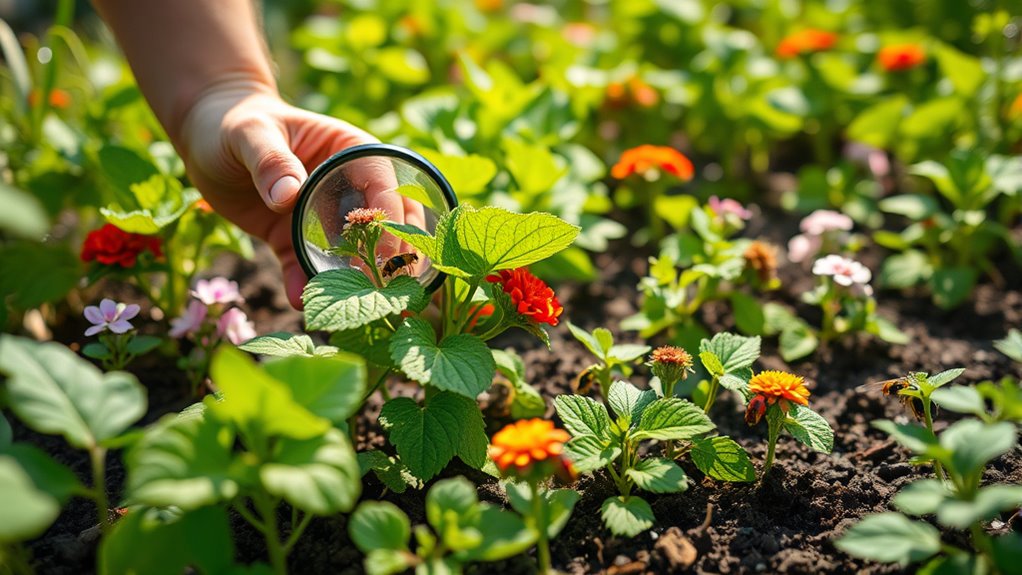
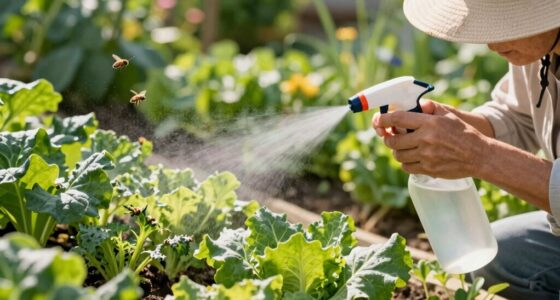
Ever wondered how to keep pests under control without harming your garden or the environment? That’s where integrated pest management (IPM) comes into play. IPM is a smart, sustainable approach that combines various methods to manage pests effectively while minimizing the use of chemical pesticides. Instead of blindly spraying pesticides at the first sign of trouble, IPM encourages you to take a strategic, informed approach. It starts with understanding your garden’s unique ecosystem and carefully monitoring pest populations through pest monitoring techniques. By keeping a close eye on pest activity, you can identify problems early and determine whether intervention is truly necessary. This proactive step helps prevent unnecessary pesticide use and reduces harm to beneficial insects, which are crucial to your garden’s health.
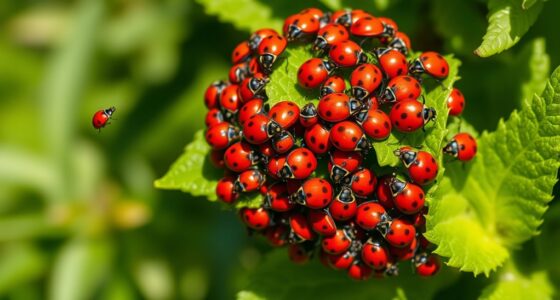
Biological control is a key component of IPM. It involves introducing or encouraging natural predators, parasites, or pathogens that target specific pests. For example, ladybugs are effective against aphids, while certain parasitic wasps can keep caterpillar populations in check. Biological control offers a sustainable, eco-friendly alternative to chemical pesticides, as it relies on nature’s own balance to keep pest numbers in check. When combined with pest monitoring, you can time these biological interventions precisely, making them more effective. For instance, if your pest monitoring reveals a small aphid outbreak, releasing ladybugs early on can nip the problem in the bud before it spirals out of control.
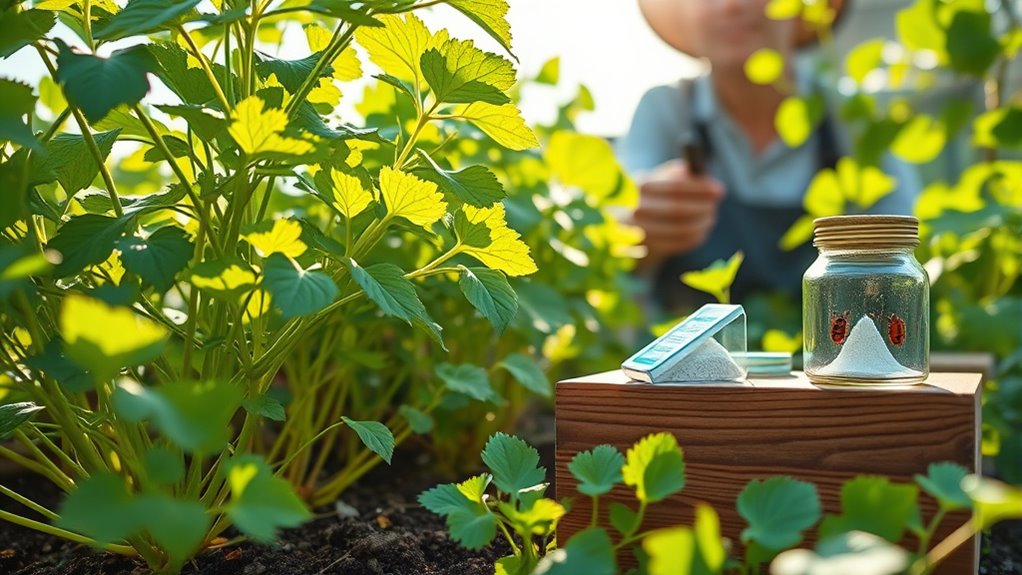
Additionally, advances in integrated pest management technology have made it easier for gardeners to implement targeted control strategies with precision. The goal of IPM isn’t just pest eradication, but rather managing pests at acceptable levels that won’t damage your plants or compromise your garden’s health. This approach involves setting action thresholds—pest levels at which control measures should be taken—so you don’t overreact to minor issues. When you combine pest monitoring with biological control, you create a dynamic, responsive system that adapts to changing conditions. It’s about working smarter, not harder, by using natural enemies and precise monitoring to keep pests in check without harming beneficial insects or polluting the environment.
Ultimately, IPM empowers you to be a better steward of your garden. You learn to observe carefully, make informed decisions, and take targeted actions. This integrated approach ensures your garden remains healthy, productive, and resilient against pests. By understanding and applying biological control alongside diligent pest monitoring, you’re fostering a more sustainable, balanced garden that benefits everyone—plants, pollinators, and the planet alike.
Frequently Asked Questions
How Long Does It Typically Take to See Results With IPM?
You’ll usually see results within a few weeks, but it depends on your monitoring frequency and pest population. Regularly checking your plants helps you catch issues early and adjust your strategies. If pest levels are low, improvement might be quick. For larger infestations, it could take longer. Consistent monitoring and targeted actions are key to effectively reducing pests with IPM, so stay vigilant and patient as your garden recovers.
Can IPM Be Used for Both Organic and Conventional Gardening?
Ever wondered if IPM can fit into your gardening style? The good news is, yes — IPM adapts seamlessly to both organic compatibility and conventional methods. It’s flexible enough to incorporate natural predators, organic sprays, or traditional pesticides, depending on your preferences. This versatility means you can tailor your pest control approach, enjoying effective results whether you lean toward organic gardening or prefer conventional techniques.
What Are the Common Mistakes to Avoid in IPM?
You should avoid common mistakes like neglecting pest identification, which leads to unnecessary treatments. Relying solely on calendar sprays without proper monitoring techniques can harm beneficial insects and your plants. Also, ignoring early signs of pest issues allows infestations to grow. Regularly check your garden, accurately identify pests, and use monitoring techniques to decide when intervention is necessary. This proactive approach helps keep your garden healthy and minimizes chemical use.
Is IPM Applicable to Large Commercial Farms?
Think of IPM as a toolbox—you can tailor its tools for any job, big or small. Yes, it’s applicable to large-scale implementation on commercial farms, where crop-specific strategies shine. You can coordinate pest control with precise monitoring, biological controls, and minimal chemical use, making IPM an effective, sustainable approach. It adapts seamlessly from your garden to vast fields, helping you manage pests efficiently while protecting the environment.
How Does IPM Compare Cost-Wise to Chemical Pest Control?
When comparing costs, IPM often proves more budget-friendly than chemical pest control in the long run. You might spend more upfront on monitoring and diverse strategies, but it reduces chemical expenses and environmental impact over time. Consider your budget and pest management goals; while chemical control can be cheaper initially, IPM’s sustainable approach typically offers better value, especially by preventing pest resistance and minimizing damage, saving you money in the long term.
Conclusion
By adopting integrated pest management, you can reduce pesticide use by up to 50%, making your garden healthier for both you and the environment. This approach helps you control pests effectively while promoting sustainable practices. Remember, a healthy garden is a balanced one—focused on prevention and natural solutions. So, next time you face pests, think about IPM and its proven benefits. Your garden—and the planet—will thank you for it.
Halloween Picks
halloween
As an affiliate, we earn on qualifying purchases.