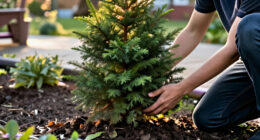
Kaolin clay changes plant surfaces more than you might expect by forming a reflective, white layer that acts as a physical barrier, deterring pests and modifying surface textures. It scatters sunlight, reducing heat stress and protecting against sunburn, while also creating a dry surface that can lower disease risks. These effects influence microclimates and moisture regulation, boosting plant resilience overall. Want to discover how these changes work together to support healthier plants? Keep exploring for more insights.

Get garden gear delivered free with Prime
- Fast, free delivery on millions of items
- Prime Video, Amazon Music and more included
- Member-only deals all year
Key Takeaways
- Kaolin clay forms a reflective, white coating that alters the plant’s surface texture and appearance more significantly than anticipated.
- It acts as a physical barrier, disrupting pest visual cues and modifying surface microenvironments.
- The clay influences moisture retention and microclimate, affecting plant hydration and disease resistance.
- Its sun-reflective properties not only protect against heat but also change how surfaces interact with light.
- The multiple effects on plant microenvironments lead to more noticeable surface changes than gardeners typically expect.

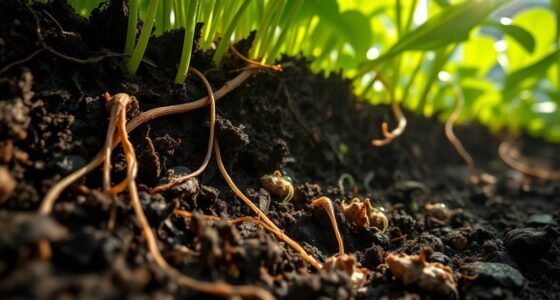
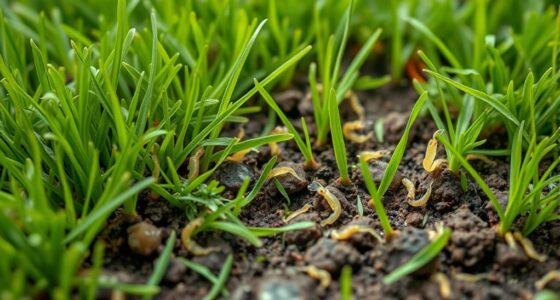
Have you ever wondered how farmers protect plants from pests without relying solely on chemical pesticides? One natural method they often use involves applying kaolin clay to plant surfaces. You might think that this is just a simple coating, but in reality, it triggers some surprising changes on the plant’s exterior. When you spray kaolin clay, it forms a thin white layer that acts as a physical barrier. This barrier isn’t just for pest deterrence; it also influences how sunlight interacts with the plant. The clay reflects sunlight, providing added sun protection, which can reduce heat stress and prevent sunburn on delicate foliage. This dual function makes kaolin clay a versatile tool in sustainable gardening and farming.
What many people don’t realize is that applying kaolin clay causes more than just superficial changes. It alters the plant’s surface texture and appearance, making it less inviting to pests like aphids, beetles, and moths. These pests often rely on visual cues to identify suitable plants, and the reflective white coating disrupts their ability to locate their targets, reducing infestations naturally. Unlike chemical pesticides, which can sometimes harm beneficial insects or lead to resistance, kaolin clay offers a non-toxic alternative that encourages pest deterrence through physical and visual means.
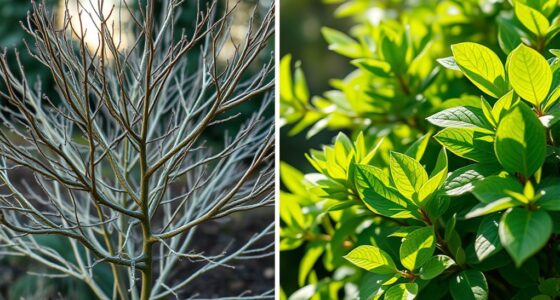
However, these changes on the plant surface aren’t just limited to pest deterrence. The reflective properties of the clay improve sun protection, especially during hot, sunny days. When sunlight hits the coated leaves, it’s scattered rather than absorbed, helping to cool the plant and prevent the damage caused by excessive heat. This can be particularly beneficial in drought-prone areas or during heatwaves, where protecting plant surfaces from sunburn is essential for maintaining healthy growth. As a gardener, you might notice that plants treated with kaolin clay seem more resilient to the harsh sun, which translates to less watering and fewer leaf scorch issues. Additionally, the clay’s surface coating can influence how moisture interacts with the plant, sometimes reducing fungal growth by creating a dry, inhospitable surface. Moreover, the reflective nature of the clay can help modulate the plant’s microclimate, creating more stable conditions around the foliage.
It’s important to understand that these surface changes are more profound than they initially appear. The clay’s physical presence can impact how moisture interacts with the plant, sometimes reducing fungal growth by creating a dry, inhospitable surface. Additionally, the clay’s reflective properties can also influence plant microclimates, helping to create more favorable conditions around the plant. Some studies also suggest that the clay’s ability to alter water retention can contribute to better drought resistance by reducing evaporation from the leaf surface. In fact, the altered surface texture may also impact moisture regulation, leading to healthier plants overall. Overall, applying kaolin clay isn’t just a superficial fix; it’s a strategic approach that affects multiple aspects of plant health—pest deterrence, sun protection, and even disease resistance. When you start noticing how your plants respond after treatment, you’ll see that the changes go well beyond appearance, offering a natural, effective way to support your garden’s health without the downsides of chemical interventions.
As an affiliate, we earn on qualifying purchases.
Frequently Asked Questions
Does Kaolin Clay Affect Plant Nutrient Absorption?
Yes, kaolin clay can affect plant nutrient absorption. When you spray it on plants, it creates a barrier that can lead to nutrient interference, especially with water-soluble nutrients. This barrier may cause absorption reduction, potentially limiting essential nutrients from reaching plant roots effectively. However, these effects are typically temporary and less severe if you apply the clay correctly and avoid overuse.
Can Kaolin Clay Be Used on All Plant Types?
Like a Swiss Army knife, kaolin clay isn’t suitable for all plants. You need to take into account plant suitability before applying. Some plants tolerate it well, while others may experience stress or damage. Use proper clay application techniques—spraying evenly and avoiding over-application—to protect sensitive species. Always test a small area first. This ensures you don’t inadvertently harm the plants you want to shield from pests and sunburn.
How Often Should Kaolin Clay Be Applied?
You should apply kaolin clay every 7 to 14 days during the growing season, adjusting based on pest activity and weather conditions. For seasonal timing, start applications early in spring before pests become a problem and continue through summer or early fall. Regular application helps maintain its protective barrier, but avoid overuse. Check the weather forecast and reapply after heavy rain to guarantee consistent coverage and effectiveness.
Does Kaolin Clay Impact Beneficial Insects?
Think of beneficial insects as delicate dancers on your garden’s stage. Kaolin clay acts like a gentle shield, often not harming these helpful visitors. However, if overused, it can create a barrier, making it harder for beneficial insects to reach pests. This might lead to pesticide resistance, as pests adapt to the clay’s presence. Use kaolin sparingly to protect your beneficial insects and maintain a balanced, resilient garden.
Are There Environmental Concerns With Kaolin Clay Runoff?
Yes, there are environmental concerns with kaolin clay runoff. When you apply it, runoff can carry fine particles into nearby water sources, potentially impacting aquatic life and water quality. The environmental impact depends on application methods and local conditions. To minimize runoff concerns, you should follow recommended application rates and avoid heavy rains immediately after application. Proper management helps protect ecosystems while benefiting your plants.
natural pest deterrent kaolin clay
As an affiliate, we earn on qualifying purchases.
As an affiliate, we earn on qualifying purchases.
Conclusion
So, next time you apply kaolin clay, remember it’s more than just a protective coat—it can actually change how your plants look and feel more than you might expect. Don’t put all your eggs in one basket; sometimes, a little surprise can lead to better results. Embrace these changes, and you might find your plants healthier and more resilient. After all, a wise gardener knows that every cloud has a silver lining.
As an affiliate, we earn on qualifying purchases.
plant microclimate modification products
As an affiliate, we earn on qualifying purchases.
As an affiliate, we earn on qualifying purchases.
Halloween Picks
halloween
As an affiliate, we earn on qualifying purchases.