Integrated Pest Management (IPM) is an organic, sustainable approach that combines natural controls with strategic crop practices to manage pests effectively. You can use beneficial insects like ladybugs or parasitic wasps, along with crop rotation, to break pest cycles and boost soil health. This method minimizes chemical use and fosters a resilient, healthy ecosystem. By embracing IPM, you’ll create a balanced garden or farm, and exploring further will reveal how these strategies work together for lasting pest control.
Key Takeaways
- Integrated Pest Management (IPM) emphasizes using natural enemies, such as ladybugs and parasitic wasps, to control pests organically.
- Crop rotation disrupts pest and disease cycles, reducing the need for chemical pesticides in organic farming.
- Combining biological controls and crop rotation creates a resilient, eco-friendly pest management system.
- IPM minimizes chemical pesticide use, supporting biodiversity and environmental health.
- Organic IPM strategies promote sustainable, healthy crop production through natural and cultural methods.

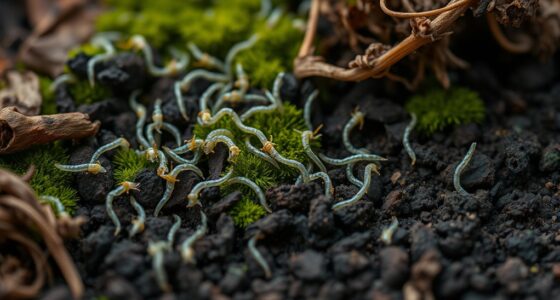
Have you ever wondered how farmers and gardeners keep pests under control without relying solely on chemicals? One effective strategy is through biological controls and crop rotation. These methods are central to integrated pest management (IPM), providing sustainable and eco-friendly ways to protect your plants. Biological controls involve introducing natural enemies of pests, such as ladybugs, parasitic wasps, or beneficial nematodes, to keep pest populations in check. Instead of spraying chemical pesticides that can harm beneficial insects and the environment, biological controls target pests specifically, reducing collateral damage. When you incorporate these helpful predators into your garden or farm, you create a balanced ecosystem where pests are naturally suppressed. This approach is especially effective when combined with other IPM strategies, making your pest management more resilient and sustainable. Ancient seed cultivation also played a role in the long-term sustainability of traditional agricultural systems, emphasizing the importance of maintaining healthy ecosystems. Crop rotation is another essential tool in your IPM arsenal. By changing the types of crops you grow in a particular area each season, you disrupt the life cycle of pests and diseases that are specific to certain plants. For example, if you plant tomatoes one year, switching to legumes or leafy greens the next year prevents pests like tomato hornworms or soil-borne diseases from establishing a foothold. This simple yet powerful practice deprives pests of their preferred hosts and reduces the likelihood of infestations. Crop rotation also improves soil health by varying nutrient demands and breaking pest and disease cycles, which minimizes the need for chemical interventions. When you plan your garden or farm with crop rotation in mind, you’re actively reducing pest pressure, making your overall pest management strategy more effective and environmentally friendly. Combining biological controls with crop rotation creates a synergistic effect. Biological controls keep pest populations manageable by introducing their natural enemies, while crop rotation prevents pests from settling in or becoming resistant. Together, these methods foster a healthier, more resilient ecosystem where pests are less likely to cause significant damage. You’ll find that this integrated approach not only protects your plants but also enhances soil fertility, reduces your reliance on chemical pesticides, and supports biodiversity. As you implement these techniques, you’ll notice fewer outbreaks, healthier plants, and a more sustainable way to grow your crops. This is the essence of integrated pest management—working with nature rather than against it, using smart, eco-friendly practices that benefit both your garden and the environment.
Frequently Asked Questions
How Cost-Effective Is Organic IPM Compared to Chemical Methods?
Organic IPM can be more cost-effective than chemical methods over time. You might face higher initial costs for organic inputs, but the long-term economic benefits include reduced chemical purchases, fewer health risks, and improved crop quality. The cost comparison often favors organic IPM because it promotes sustainable practices, minimizes environmental damage, and can lead to better yields. Overall, investing in organic IPM can save you money and boost your farm’s profitability.
Are Organic IPM Strategies Suitable for Large-Scale Agriculture?
Organic IPM strategies can be suitable for large-scale agriculture, but you’ll face scaling challenges and certification hurdles. Implementing organic methods across extensive fields requires significant planning, resources, and consistent practices. Certification processes can be complex and time-consuming, which might slow down adoption. However, with proper management and commitment, you can successfully integrate organic IPM into large operations, promoting sustainable pest control while meeting organic standards.
What Are Common Challenges Faced When Implementing Organic IPM?
When implementing organic IPM, you often face challenges like limited farmer education, which can hinder proper pest management practices. Pest resistance to organic methods may also develop if strategies aren’t diversified, making control harder over time. You need to stay informed, adapt techniques, and invest in training to effectively manage pests without relying on synthetic chemicals, ensuring sustainable and successful organic farming.
Can Organic IPM Completely Eliminate Pest Populations?
You might hope organic IPM can fully eradicate pests, but it typically can’t guarantee pest eradication. While biological control methods reduce pest populations effectively, they rarely eliminate every pest entirely. Instead, organic IPM aims for pest suppression and sustainable management, balancing pest control with environmental safety. So, don’t expect complete eradication—focus on maintaining pest populations at manageable levels through vigilant, integrated strategies.
How Do Organic IPM Practices Impact Beneficial Insects?
Organic IPM practices support beneficial insects by promoting natural pest suppression and minimizing harmful chemicals. You help protect beneficial insects like pollinators and predatory insects, which naturally control pests. This approach creates a balanced ecosystem, reducing the need for broad-spectrum pesticides. As a result, pest populations stay in check, and your garden or farm remains healthier and more resilient, benefiting both the environment and your crop yields.
Conclusion
Think of integrated pest management as tending a delicate garden, where you’re the gardener balancing every plant and pest with care. Just like a gardener who patiently prunes and nurtures, you’ll find success by using natural methods and harmony rather than relying solely on chemicals. When you embrace this organic approach, you’re cultivating a thriving, resilient garden that can withstand pests naturally. Remember, a well-tended garden flourishes best when it’s cared for with patience and wisdom.