
To effectively control pests organically, incorporate beneficial insects like ladybugs and lacewings that naturally prey on pests. Use organic pesticides such as neem oil, insecticidal soaps, and diatomaceous earth, applying them carefully to minimize harm to helpful bugs. Regularly inspect your plants to catch problems early and target specific pests with focused treatments. Combining these methods with healthy cultural practices creates a resilient garden; discover more ways to maintain balance as you continue.
Key Takeaways
- Encourage beneficial insects like ladybugs and lacewings by planting flowering plants and avoiding broad-spectrum insecticides.
- Use organic pesticides such as neem oil, insecticidal soap, and diatomaceous earth for targeted pest control.
- Regularly monitor plants to detect pests early and apply organic treatments precisely to minimize harm to beneficial insects.
- Implement integrated pest management (IPM) combining biological, cultural, and mechanical controls for sustainable pest suppression.
- Maintain a healthy garden ecosystem to naturally reduce pest populations and reduce chemical reliance over time.

Are you looking for effective ways to manage pests without relying on harmful chemicals? If so, incorporating beneficial insects into your pest control strategy can make a considerable difference. Beneficial insects, like ladybugs, lacewings, and predatory beetles, naturally hunt and consume common pests such as aphids, scale insects, and caterpillars. By encouraging their presence in your garden, you create a self-sustaining system that keeps pest populations in check without the need for synthetic chemicals. You can attract these helpful insects by planting a variety of flowering plants that provide nectar and pollen, which serve as food sources for them. Additionally, avoiding broad-spectrum insecticides ensures these beneficial creatures aren’t accidentally harmed, maintaining a healthy balance in your garden ecosystem.
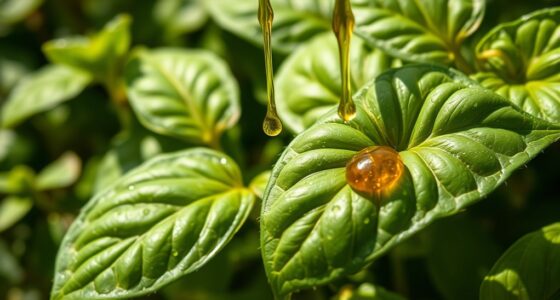
Alongside releasing beneficial insects, organic pesticides offer an effective alternative to chemical treatments. Unlike synthetic pesticides, organic options such as neem oil, insecticidal soaps, and diatomaceous earth target pests specifically while being safe for humans, pets, and beneficial insects. When applied correctly, organic pesticides can reduce pest populations markedly without disrupting your garden’s natural balance. For instance, neem oil acts as both a contact and systemic insecticide, disrupting the pest’s feeding and reproductive cycles. Insecticidal soaps work by suffocating soft-bodied pests upon contact, making them a quick and effective solution for infestations. Diatomaceous earth, a natural powder made from fossilized algae, damages pests’ exoskeletons, causing dehydration and death. You can apply these organic pesticides during early morning or late evening hours when beneficial insects are less active, ensuring you target pests without harming your allies.
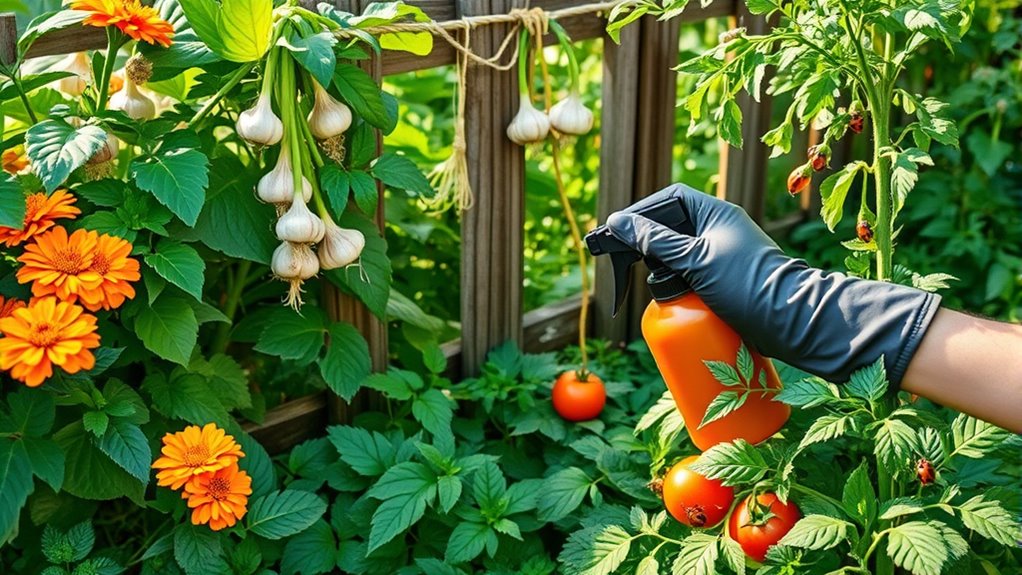
Using organic pest control methods also involves regular monitoring of your plants. By inspecting your garden frequently, you can catch pest issues early before they become severe. When you spot pests, apply organic pesticides as a targeted treatment rather than blanket spraying, which minimizes impact on beneficial insects. Incorporating integrated pest management strategies can further enhance your efforts by combining biological, cultural, and mechanical controls for a comprehensive approach. Combining these methods with the encouragement of beneficial insects creates a resilient pest management system that’s both eco-friendly and effective. Over time, you’ll notice a healthier, more balanced garden with fewer pests and less reliance on chemical controls. You’ll also contribute to a safer environment, protecting pollinators and other beneficial creatures that are crucial for a thriving garden ecosystem. With patience and consistent effort, organic pest control becomes a sustainable approach that delivers results without compromising your garden’s health or your peace of mind.
As an affiliate, we earn on qualifying purchases.
Frequently Asked Questions
Are Organic Pest Control Methods Safe for Pets and Children?
You might wonder if organic pest control methods are safe for pets and children. Generally, they’re designed to prioritize pet safety and child protection, using natural ingredients that are less toxic than chemical alternatives. However, always read product labels carefully, follow application instructions, and keep pets and kids away during and after treatment until it’s safe. Proper use guarantees effective pest control while maintaining a safe environment for your loved ones.
How Long Does It Take to See Results With Organic Pest Control?
You’re probably enthusiastic to see results, and honestly, it feels like waiting for a miracle! Timing expectations vary, but with organic pest control, you might notice pest elimination within a few days to a couple of weeks. Factors like pest type, infestation severity, and treatment consistency influence how quickly you see results. Stay patient and persistent—organic methods often take a bit longer but are safer and just as effective in the long run.
Can Organic Methods Eliminate All Types of Pests Effectively?
You wonder if organic methods can eliminate all pest species effectively. While they work well for many pests, organic limitations exist. Some pest species, like tough insects or rodents, may require integrated approaches or chemical solutions. Organic pest control is safer and environmentally friendly but might need patience and persistence. You should assess the specific pest problem and consider combining organic techniques with other methods for the best results.
Are Organic Pest Control Products Cost-Effective Compared to Chemical Options?
When considering organic pest control products, you might wonder if they’re cost-effective compared to chemical options. The cost comparison varies depending on your budget considerations, but organic methods often cost more upfront. However, they can save you money long-term by reducing chemical use and minimizing health risks. You’re better off weighing these factors, as organic solutions can be a smart investment, especially if safety and environmental impact matter to you.
How Often Should Organic Pest Control Treatments Be Applied?
You should apply organic pest control treatments based on the application frequency recommended for each product, usually every 7 to 14 days. Regular treatments help prevent pest resurgence and keep pests at bay. Keep an eye on your plants or home, and adjust the frequency if you notice pests returning sooner. Consistency is key to maintaining an effective organic pest management routine and ensuring long-term results.
beneficial insects ladybugs lacewings
As an affiliate, we earn on qualifying purchases.
As an affiliate, we earn on qualifying purchases.
Conclusion
Think of your garden as a thriving forest, where each pest is like a sneaky critter trying to upset the balance. By using these organic methods, you’re like a wise gardener guiding the ecosystem back into harmony. With patience and care, you’ll turn your garden into a peaceful haven, where beneficial allies flourish and pests retreat. Keep nurturing this delicate balance, and your garden will flourish naturally, a vibrant, pest-free paradise in your own backyard.
As an affiliate, we earn on qualifying purchases.
diatomaceous earth garden pest control
As an affiliate, we earn on qualifying purchases.
As an affiliate, we earn on qualifying purchases.