
To control pests organically, attract beneficial insects like ladybugs and lacewings with flowering plants, and keep your garden clean by removing debris and rotating crops. Use natural repellents such as neem oil, garlic, or chili sprays, applying them regularly, especially after rain. Monitor plants closely for early pest signs and act quickly with targeted solutions. Combining these practices creates a healthy, pest-resistant garden—discover more effective methods as you explore further.

Get garden gear delivered free with Prime
- Fast, free delivery on millions of items
- Prime Video, Amazon Music and more included
- Member-only deals all year
Key Takeaways
- Use flowering plants like marigolds, dill, and fennel to attract beneficial insects that naturally control pests.
- Apply organic repellents such as neem oil, garlic spray, or chili pepper solutions to deter pests effectively.
- Regularly inspect plants for early pest signs and respond promptly with targeted natural controls.
- Maintain garden hygiene by removing debris, weeds, and fallen fruits to reduce pest habitats.
- Implement integrated pest management by combining biological, cultural, and organic methods for sustainable control.

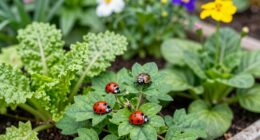
Organic pest control methods offer a safe and eco-friendly way to protect your garden from unwanted pests. Rather than relying on harsh chemicals, you can harness natural processes and creatures to keep your plants healthy and thriving. One of the most effective strategies involves attracting beneficial insects, which serve as natural predators to common pests. Ladybugs, lacewings, and predatory beetles are excellent examples that can markedly reduce aphid, caterpillar, and mite populations. To encourage these helpful insects, plant a variety of flowering plants and herbs around your garden, such as dill, fennel, and marigolds. These plants provide nectar and pollen, drawing beneficial insects into your space and creating a balanced ecosystem where pests are naturally kept in check.
Attract beneficial insects like ladybugs and lacewings with flowering plants to naturally control pests organically.
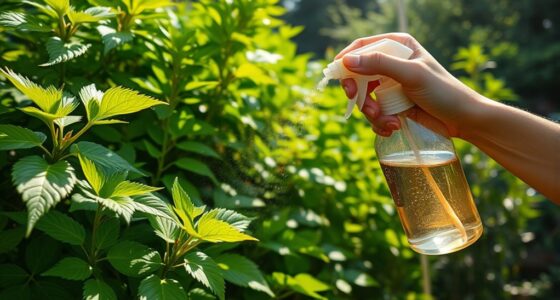
In addition to promoting beneficial insects, utilizing natural repellents can further enhance your pest control efforts. Natural repellents are substances derived from plants or other organic sources that deter pests without harming your garden or the environment. For instance, neem oil acts as a broad-spectrum natural pesticide and repellent, disrupting pests’ feeding and reproductive cycles. You can also use garlic and chili pepper sprays, which have pungent odors that pests dislike. When applying these natural repellents, make sure to cover all affected plants thoroughly and reapply after heavy rain or watering. Consistent use of natural repellents creates an ongoing barrier against pests, reducing their chances of establishing a foothold in your garden.
Another key aspect is timing and observation. Regularly inspect your plants for early signs of pest activity, like chewed leaves or discolored spots. Early detection allows you to intervene with targeted solutions, often preventing larger infestations. When you notice pests, introduce beneficial insects or apply natural repellents promptly to keep the problem manageable. Avoid blanket spraying, which can harm beneficial insects and disrupt your garden’s natural balance. Instead, focus on spot treatments and targeted biological controls to maintain harmony.
Finally, good garden hygiene supports your organic pest control efforts. Remove dead leaves, fallen fruits, and weeds that can harbor pests and diseases. Rotate crops annually to prevent pest populations from becoming established in soil. Combining these practices—attracting beneficial insects, applying natural repellents, monitoring regularly, and maintaining garden health—creates a resilient system that naturally suppresses pests. With patience and consistency, you can protect your plants effectively without sacrificing eco-friendliness or safety, ensuring your garden remains vibrant and productive all season long.
As an affiliate, we earn on qualifying purchases.
Frequently Asked Questions
Are Organic Pest Control Methods Safe for Pets and Children?
You’re right to wonder if organic pest control methods are safe for pets and children. Generally, they prioritize pet safety and child protection by avoiding harsh chemicals. When used correctly, organic solutions like neem oil or diatomaceous earth pose minimal risks, making them safer choices for your family. Always read labels and follow instructions carefully to guarantee maximum pet safety and child protection, giving you peace of mind while tackling pests naturally.
How Often Should I Apply Organic Pest Control Treatments?
You should consider the application frequency of organic pest control treatments based on the pest’s life cycle. Typically, reapply every 7 to 14 days, but adapt if you notice pests reappearing or after rain. Monitoring pest activity helps determine the right timing. Consistent application ensures you break the life cycle and effectively manage pests without overdoing it, keeping your garden or home safe and healthy.
Can Organic Methods Eliminate All Types of Pests?
You wonder if organic methods can eliminate all pests. While effective for many, they might not handle every pest type, especially resistant ones. Organic practices reduce chemical residues and help prevent pest resistance, but some pests may still persist. You should combine methods, monitor pests closely, and adapt your approach. Organic controls are a great part of integrated pest management, yet they might not be a complete solution for every pest problem.
Are Organic Pest Controls Cost-Effective Long-Term Solutions?
Considering cost-effectiveness, you’ll find organic pest controls can be a clever, cost-conscious choice. They often offer long-term savings, reducing repeated expenses on chemical treatments and damage control. By prioritizing prevention and eco-friendly methods, you enjoy budget benefits and better pest management. Organic options may require initial investment but pay off over time, providing sustainable, safe, and sensible solutions that protect your property without draining your dollars.
Do Organic Methods Require Special Equipment or Skills?
You might wonder if organic methods need special equipment or skills. In most cases, DIY techniques like homemade sprays or traps don’t require professional tools, making them accessible to anyone. However, for larger infestations or more effective results, using professional tools can help. Still, with some research and practice, you can confidently apply organic pest control methods on your own, saving money and avoiding harsh chemicals.
beneficial insect attracting plants
As an affiliate, we earn on qualifying purchases.
As an affiliate, we earn on qualifying purchases.
Conclusion
By trying these organic pest control methods, you’ll cultivate a garden that’s resilient and thriving—like a well-tuned symphony. These natural techniques not only protect your plants but also nurture the environment around you. Remember, patience and consistency are your best allies. With each mindful effort, you’re turning your garden into a sanctuary where pests can’t crash the party. Embrace these methods, and watch your garden flourish as naturally as a blooming spring blossom.
natural pest repellent garlic spray
As an affiliate, we earn on qualifying purchases.
As an affiliate, we earn on qualifying purchases.
flowering plants for beneficial insects
As an affiliate, we earn on qualifying purchases.
As an affiliate, we earn on qualifying purchases.
Halloween Picks
halloween
As an affiliate, we earn on qualifying purchases.