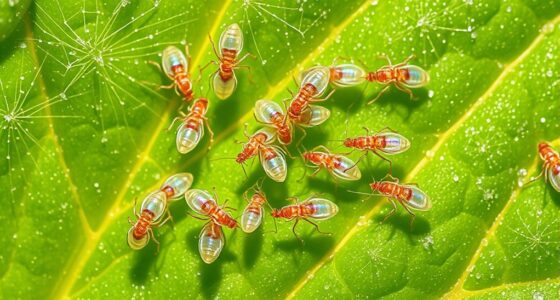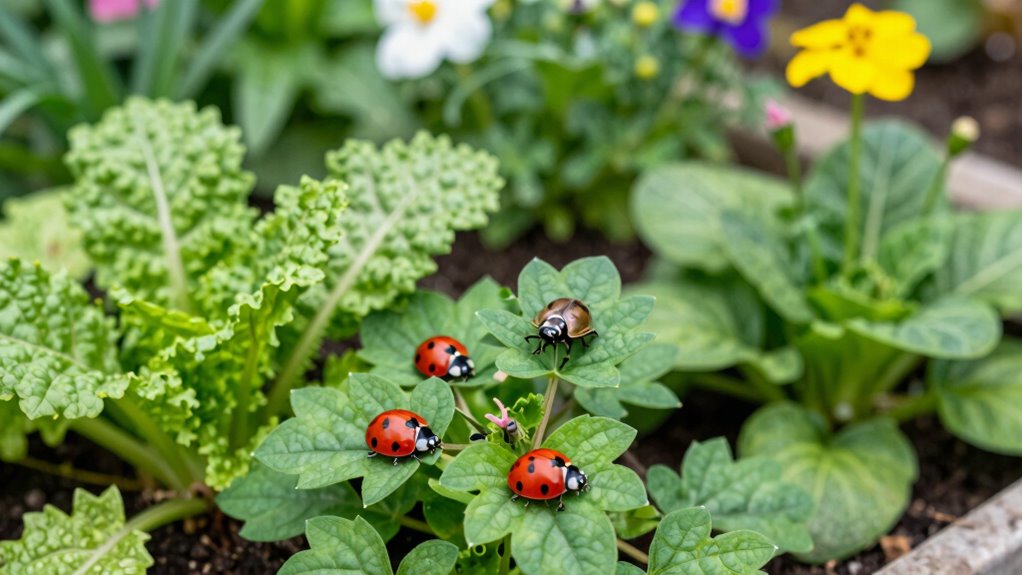
To set realistic expectations for biological control, understand it’s a slow process that needs patience. Natural enemies take time to adapt, establish, and effectively target pests. Pest populations naturally fluctuate with seasons and environmental conditions, so results won’t be immediate. Monitor progress regularly and be prepared for setbacks or temporary increases. Implement strategies at the right times and keep ecosystem balance in mind. Staying informed about these factors can help you manage expectations more effectively.

Get garden gear delivered free with Prime
- Fast, free delivery on millions of items
- Prime Video, Amazon Music and more included
- Member-only deals all year
Key Takeaways
- Understand that biological control is a gradual process, not an immediate solution.
- Recognize pest populations fluctuate naturally due to environmental factors.
- Be patient as natural enemies need time to establish and effectively suppress pests.
- Regular monitoring and adaptive management are essential for success.
- Set realistic goals focusing on long-term ecosystem stability rather than complete eradication.

Have you ever expected biological control to eliminate pests overnight? It’s a common misconception. Biological control isn’t a quick fix; instead, it’s a gradual process rooted in understanding pest population dynamics and maintaining ecosystem balance. When you introduce natural enemies—like predators, parasites, or pathogens—you’re setting off a chain of interactions that unfold over time. Pests won’t vanish instantly because their populations are influenced by many factors, including food availability, environmental conditions, and the presence of other species. Instead of rapid eradication, biological control aims to suppress pest numbers to manageable levels, promoting a more stable and sustainable environment.
Understanding pest population dynamics is *essential* for setting realistic expectations. Pest populations tend to fluctuate naturally, influenced by seasonal changes and ecological interactions. When you introduce a biological control agent, it needs time to adapt, establish, and find its prey or host effectively. You might see initial slow-downs or even temporary increases in pest numbers as the ecosystem adjusts. Patience is key because the process involves multiple stages: the natural enemy must locate pests, reproduce, and exert enough pressure to influence pest populations meaningfully. These dynamics aren’t linear; they require ongoing monitoring and sometimes supplementary measures to support the biological control agents. Additionally, the success of biological control depends on the timing and release strategy, ensuring that control agents are introduced when pests are most vulnerable. A thorough understanding of pest population fluctuations can help optimize release times and improve overall effectiveness. Incorporating ecosystem balance into management plans ensures that biological control remains sustainable and minimizes unintended impacts. Recognizing the importance of monitoring and evaluation can further enhance the long-term success of biological control efforts. Moreover, understanding natural enemy interactions within the ecosystem can help prevent unintended consequences and promote a harmonious balance.
biological pest control natural enemies
As an affiliate, we earn on qualifying purchases.
As an affiliate, we earn on qualifying purchases.
Frequently Asked Questions
What Are Common Mistakes When Implementing Biological Control?
A common mistake is overlooking pest resistance, which can develop if you rely too heavily on a single biological agent. You might also choose an agent that’s not specific enough, risking harm to non-target species or reducing effectiveness. To avoid these errors, monitor pest populations regularly, rotate different agents, and guarantee the biological control is suitable for your specific pest. This approach helps maintain long-term success and ecosystem health.
How Long Does It Typically Take to See Results?
You might wonder when you’ll see results, and it varies, but typically, you’ll notice a decline in pest population within a few weeks to a few months. As natural enemies establish themselves, they’ll steadily target pests, often leading to a noticeable difference over time. Patience is key, because biological control relies on these natural processes working harmoniously—so give it time, and stay consistent with your efforts.
Can Biological Control Fully Eradicate Pests?
Biological control rarely fully eradicates pests because of pest resurgence and agent specificity. While beneficial insects can considerably reduce pest populations, pests might bounce back if conditions favor their survival or if the control agents target only specific pest strains. You should expect a notable decrease, but complete eradication isn’t guaranteed. Continuous monitoring and integrated pest management strategies will help maintain pest levels at manageable levels, ensuring long-term success.
What Are the Risks of Introducing New Biological Agents?
Introducing new biological agents might seem like a quick fix, but it risks disrupting ecological balance. You could unintentionally release a predator that’s not as specific as you thought, attacking beneficial species along with pests. The irony? In trying to control pests, you might create new problems. Always consider agent specificity and potential ecological impacts before releasing a biological control agent—sometimes, nature’s balance is delicate and hard to restore.
How Do Environmental Factors Affect Biological Control Success?
Environmental factors, like climate influence and habitat suitability, directly impact biological control success. You need to evaluate how temperature, humidity, and seasonal changes affect the survival and effectiveness of natural enemies. If the climate isn’t suitable or habitats aren’t aligned with the biological agent’s needs, control efforts may fail. By assessing these factors beforehand, you can set realistic expectations and improve the chances of successful biological pest management.
beneficial insects for pest management
As an affiliate, we earn on qualifying purchases.
As an affiliate, we earn on qualifying purchases.
Conclusion
Remember, biological control isn’t a quick fix—it takes patience and monitoring to see results. Some might worry it’s unreliable, but with proper planning and realistic goals, it can be a sustainable solution. Don’t expect eradication overnight; instead, focus on gradual, long-term pest management. By setting achievable expectations, you’ll be better prepared to adapt and succeed, turning biological control into a valuable, eco-friendly part of your pest management strategy.
biological control agent release kit
As an affiliate, we earn on qualifying purchases.
As an affiliate, we earn on qualifying purchases.
monitoring pest populations garden
As an affiliate, we earn on qualifying purchases.
As an affiliate, we earn on qualifying purchases.
Halloween Picks
halloween
As an affiliate, we earn on qualifying purchases.