
If you’re working with tight space, bush beans are your best bet since they stay low and spreading minimally, making them easy to fit into small areas. Pole beans need trellises and grow vertically, which saves ground space but takes up more room for supports. Both types are manageable, but bush beans require less effort and provide quick yields. Want to know more about how each type can fit into your garden? Keep exploring for detailed tips.

Get garden gear delivered free — and shop member deals
- Fast, free delivery on millions of items
- Access to Prime Big Deal Days deals on October 6–7
- Prime Video, Amazon Music and more included
Key Takeaways
- Bush beans are ideal for tight spaces due to their compact, low-growing habit, requiring minimal vertical support.
- Pole beans need trellises or poles, making them less suitable for limited space without proper support structures.
- Bush beans require less maintenance and monitoring, which is advantageous in small garden areas.
- Pole beans maximize vertical space, but their support structures can be challenging in confined spaces.
- Both types can be grown successfully in tight spots if space and support considerations are properly managed.
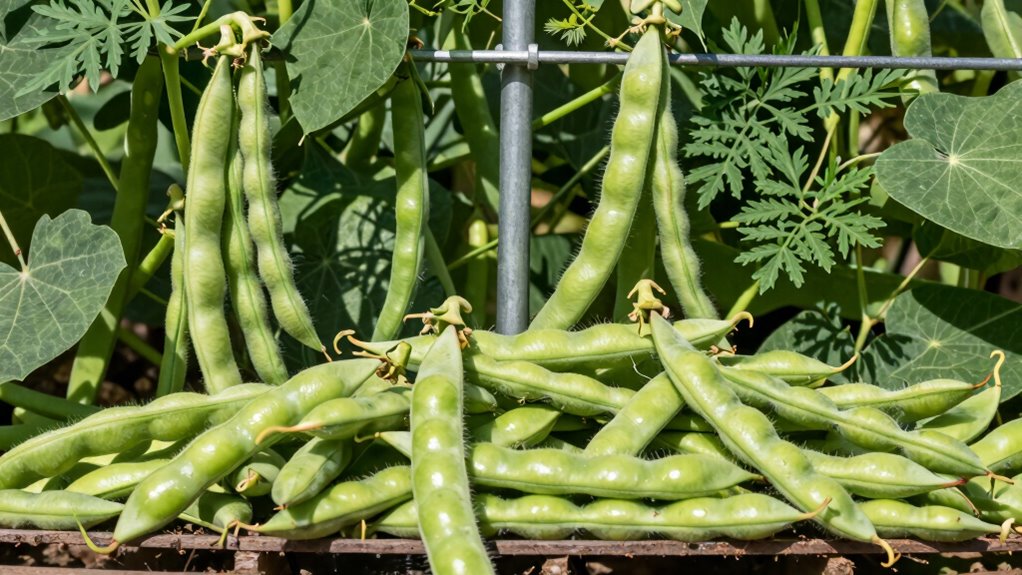
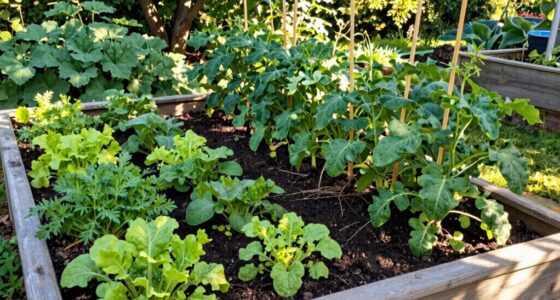
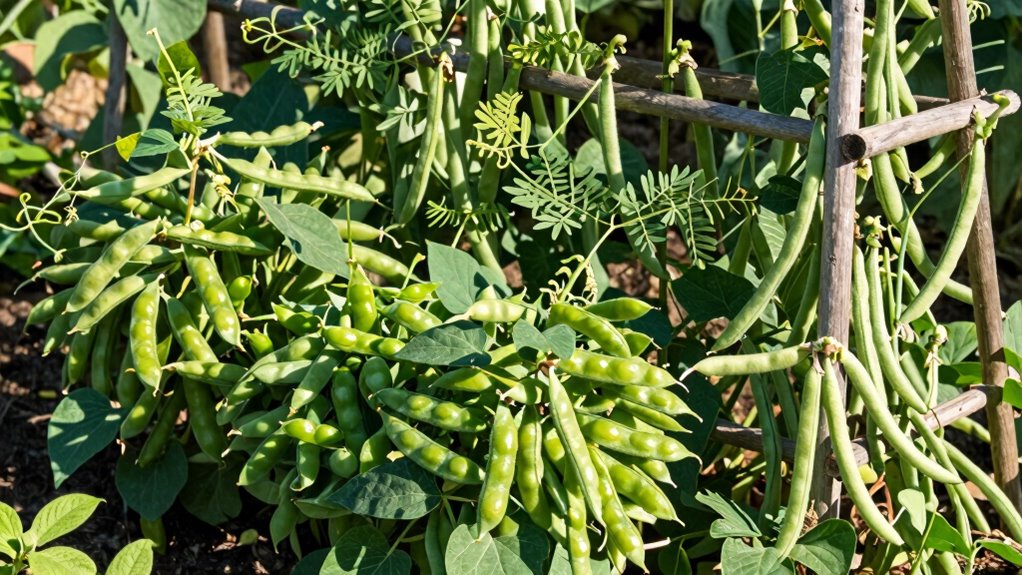
When choosing between bush beans and pole beans, understanding their differences can help you decide which variety best suits your garden and cooking needs. Both types are excellent for fresh eating, canning, and preserving, but they behave quite differently when it comes to space, growth habits, and maintenance. If you’re working with limited space, bush beans might seem like the obvious choice—they grow low and compact, typically reaching about 1 to 2 feet tall and spreading out just enough to fit into tight spots. Pole beans, on the other hand, grow vertically with climbing vines that can reach 6 to 10 feet, which might seem like they need more room, but they actually save garden space by growing upward rather than outward. Proper soil preparation and pest management are essential for healthy growth; soil fertility plays a crucial role in supporting vigorous plants and minimizing pest issues. Starting with soil preparation, both bush and pole beans thrive in well-drained, fertile soil with a pH around 6.0 to 7.0. Before planting, you should till the soil and mix in organic matter like compost or aged manure to boost fertility and improve drainage. Proper soil prep ensures healthy root development and vigorous plants, whether you’re growing bush or pole beans. Since beans are nitrogen-fixers, they generally don’t require heavy fertilization, but a balanced fertilizer applied before planting can give them a good start. Pest management is a critical aspect of growing healthy beans, especially when space is limited. Common pests like bean beetles, aphids, and spider mites can quickly damage your plants. To keep pests at bay, inspect plants regularly and remove any infected leaves. Using row covers during early growth stages can help prevent pests from reaching your beans. Because bush beans are more concentrated in a small area, they’re easier to monitor and treat compared to pole beans, which require climbing supports like trellises or poles. These structures can sometimes harbor pests or make pest management trickier, so keeping your garden clean and free of debris around your supports is essential. Both types benefit from crop rotation and companion planting to reduce pest issues and improve soil health. For instance, planting marigolds nearby can deter nematodes and beetles. Additionally, proper support structures can enhance air circulation and reduce disease risks, especially for pole beans. Maintaining good soil health through organic practices can further support pest resistance and plant vigor. Whether you choose bush or pole beans, maintaining good pest management practices and soil health will lead to a more bountiful harvest. In tight spaces, bush beans are straightforward, requiring less support and management, while pole beans maximize vertical space but demand more initial setup. Your choice ultimately depends on your available space, the level of maintenance you’re comfortable with, and your harvesting preferences.
bush bean seeds for small gardens
As an affiliate, we earn on qualifying purchases.
As an affiliate, we earn on qualifying purchases.
Frequently Asked Questions
Which Bean Type Matures Faster for Quick Harvests?
Bush beans generally mature faster for quick harvests because of their quicker growth speed and shorter harvest timing. You’ll notice they produce sooner after planting, often within 50 to 60 days. This makes them ideal if you want a rapid crop. Pole beans take a bit longer, but they grow vertically, so if space isn’t an issue, they’re worth considering for extended harvest periods.
Do Bush Beans Require More Watering Than Pole Beans?
Bush beans generally don’t require more watering than pole beans, but their watering needs depend on root depth. Since bush beans have shallower roots, they need consistent moisture to stay productive. Pole beans, with deeper roots, access water further down, often making them a bit more drought-tolerant. Keep a close eye on soil moisture; if it dries out quickly, both types will need extra watering, especially during hot, dry spells.
Can Bush Beans Be Grown Vertically Like Pole Beans?
Yes, you can grow bush beans vertically with a trellis support, although they naturally grow in a bushy, compact form. Using vertical cultivation helps save space, keeps beans off the ground, and improves air circulation. To do this, set up a sturdy trellis and gently guide the bush bean plants to climb it. This method maximizes your small space and makes harvesting easier.
Are There Specific Pests That Prefer One Type Over the Other?
Certain pests show preferences for either bush or pole beans, affecting your pest management strategies. For example, aphids and spider mites often target bush beans first, while bean beetles may prefer pole beans due to their taller growth. By understanding these pest preferences, you can tailor your pest management strategies effectively, such as using row covers or natural predators, to protect your plants and guarantee a healthy harvest.
Which Beans Have Better Disease Resistance?
You’ll find bush beans generally have better disease resistance than pole beans, partly because they grow closer to the ground and benefit from improved soil health through better pest management. Their compact growth helps reduce exposure to airborne diseases. To keep both types healthy, focus on soil health by rotating crops and managing pests effectively. This strategy will help prevent common diseases like bean rust or powdery mildew, ensuring a better harvest.
As an affiliate, we earn on qualifying purchases.
Conclusion
Just like David and Goliath, your choice between bush and pole beans depends on your space and needs. Whether you prefer the compact strength of bush beans or the towering ambition of pole beans, remember that every gardener’s journey is unique. As you decide, channel the wisdom of the ages—sometimes the smallest seed, much like the tiniest decision, can grow into the most fruitful harvest. Trust your instincts and nurture what grows best in your garden’s story.
As an affiliate, we earn on qualifying purchases.
As an affiliate, we earn on qualifying purchases.
Halloween Picks
halloween
As an affiliate, we earn on qualifying purchases.