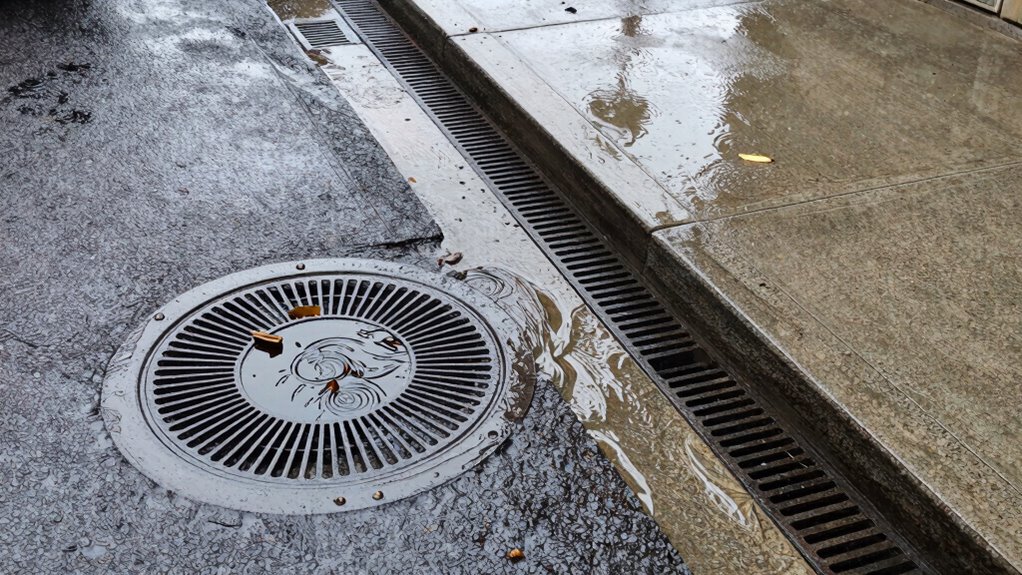

Catch basins are great for trapping debris from streets, parking lots, and landscaped areas, making maintenance easier and preventing clogs. Channel drains are ideal for quickly removing large amounts of water along driveways, walkways, or low-lying spots, helping prevent flooding. Choosing the right system depends on your needs—debris or rapid water flow. If you want to understand which option fits your situation best, you’ll find helpful details as you explore further.

Get garden gear delivered free with Prime
- Fast, free delivery on millions of items
- Prime Video, Amazon Music and more included
- Member-only deals all year
Key Takeaways
- Catch basins are ideal for debris-heavy areas, trapping dirt and sediment to prevent clogs.
- Channel drains excel at quickly removing large volumes of water to prevent flooding.
- Catch basins simplify debris management and maintenance through built-in traps.
- Channel drains are suitable for rapid water flow but require frequent cleaning if debris is present.
- Combining both systems optimizes debris collection and efficient water drainage in complex environments.
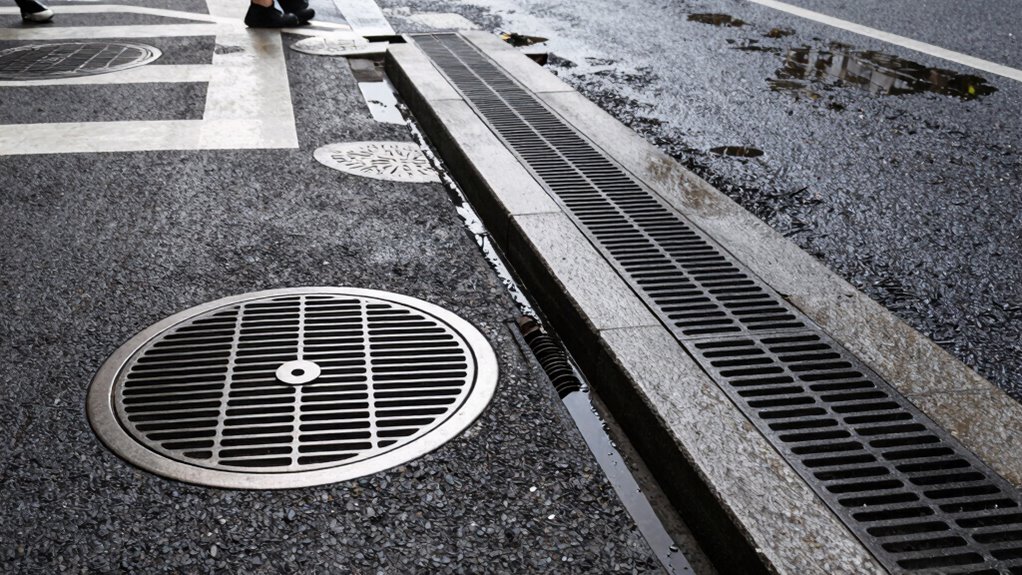
Are you unsure whether a catch basin or a channel drain best suits your drainage needs? When it comes to managing stormwater, choosing the right system can make a significant difference, especially in areas prone to urban flooding. Both catch basins and channel drains are designed to handle runoff, but they serve different purposes and excel in different situations. Understanding these differences helps you select the best solution for effective stormwater management and to prevent flooding in your property or community.
Catch basins are typically installed where you want to collect surface water from streets, parking lots, or landscaped areas. They work by trapping debris, dirt, and sediment that could clog the drainage system, making maintenance easier. These basins are often topped with grates that allow water to flow in while preventing larger debris from entering the drainage pipes. Because of their design, catch basins are ideal for areas with high debris loads, such as urban streets cluttered with leaves, trash, and other pollutants. They also help reduce the risk of urban flooding by efficiently collecting runoff, but they require regular cleaning to prevent blockages. Proper installation techniques ensure their optimal performance over time. Additionally, selecting the right size and capacity for your specific needs can significantly improve their effectiveness in stormwater management. Regular maintenance is necessary to keep them functioning properly, especially in areas with lots of debris.
Catch basins trap debris and sediment, making maintenance easier and preventing pipe clogs in debris-heavy areas.
Channel drains, on the other hand, are long, narrow troughs that direct water away from flat surfaces, driveways, or walkways. They excel in situations where rapid removal of large volumes of water is essential. These drains are usually installed along the edges of roads or in low-lying areas to channel water quickly into the underground system or designated outlet. Because they are designed to handle high flow rates, channel drains are effective at preventing localized flooding during heavy storms. They also help maintain the safety and usability of outdoor spaces by keeping surfaces dry and slip-free. However, unlike catch basins, they don’t typically trap debris, so they might require more frequent cleaning in debris-heavy environments to prevent clogging. Proper maintenance is crucial for ensuring their continued effectiveness. In some cases, combination systems are installed to optimize both debris trapping and water flow, enhancing overall drainage efficiency. Regular inspections and timely cleaning are essential to prevent blockages and ensure optimal performance, especially after storm events. In addition, choosing the right type of drainage system for your specific environment can help improve longevity and reduce upkeep costs.
As an affiliate, we earn on qualifying purchases.
Frequently Asked Questions
How Do Maintenance Requirements Differ Between Catch Basins and Channel Drains?
You’ll find that maintenance for catch basins involves managing sediment accumulation, which can clog the inlet screens and require frequent cleaning. They also have more structural complexity, needing regular inspections of the grate and sump. In contrast, channel drains are simpler, with less sediment buildup, but still require periodic debris removal. Overall, catch basins demand more intensive maintenance to prevent blockages, while channel drains are easier to keep clear and functioning efficiently.
Which Option Is More Cost-Effective Over the Long Term?
Think of your drainage system as a wise guardian—channel drains often stand the test of time, making them more cost-effective long-term. With better longevity factors and simpler maintenance, they reduce ongoing expenses. Catch basins, while initially cheaper, may lead to higher costs over time due to more frequent cleaning and repairs. So, if you’re after durability and savings, channel drains are your best option for lasting peace of mind.
Can Catch Basins Handle Large Debris Without Clogging?
Catch basins can handle a fair amount of debris, but their debris capacity is limited compared to channel drains. If large debris frequently enters your drainage system, catch basins may clog more easily, requiring regular maintenance. To improve clog prevention, you should install debris screens and clean the basins regularly. For heavy debris loads, channel drains with grated covers designed for larger debris might be a more reliable option to prevent clogging and guarantee proper flow.
Are Channel Drains Suitable for Residential Properties?
Yes, channel drains are suitable for residential properties, especially when you want seamless landscaping integration and aesthetic considerations. For example, imagine a homeowner installing a sleek, discreet channel drain along their driveway to manage runoff without disrupting the landscape design. These drains effectively handle surface water, blending into the environment, making them an excellent choice for maintaining both functionality and visual appeal in residential settings.
What Environmental Factors Influence the Choice Between the Two?
Environmental factors like rainfall patterns and soil permeability greatly influence your choice. If your area experiences heavy or frequent rain, channel drains help quickly move water away. In contrast, catch basins are better where soil permeability is high, allowing water to filter naturally. You should consider these factors to select the most effective drainage system, ensuring your property stays dry and protected from water damage.
As an affiliate, we earn on qualifying purchases.
Conclusion
When choosing between catch basins and channel drains, consider your specific drainage needs. Catch basins excel at trapping debris, preventing blockages, while channel drains efficiently handle large volumes of water over expansive areas. Did you know that effective drainage systems can reduce flooding risk by up to 90%? By understanding your property’s flow patterns, you’ll make smarter decisions, ensuring your outdoor spaces stay dry and safe. Make the right choice, and never let messes overwhelm you again.
As an affiliate, we earn on qualifying purchases.
As an affiliate, we earn on qualifying purchases.
Halloween Picks
halloween
As an affiliate, we earn on qualifying purchases.