When freeze drying garden produce, you’ll notice moisture loss first causes the texture to become light, crispy, and brittle. As water sublimates, the produce maintains its shape and cellular structure but turns into delicate pieces that crumble easily. This initial change helps preserve flavors, nutrients, and the overall quality. If you want to understand how these texture shifts impact the final product and discover tips for the best results, keep exploring what’s next.

Get garden gear delivered free with Prime
- Fast, free delivery on millions of items
- Prime Video, Amazon Music and more included
- Member-only deals all year
Key Takeaways
- Moisture loss occurs initially through sublimation, skipping the liquid phase.
- Produce becomes light, airy, and significantly less dense.
- Texture shifts to crispy or brittle as water is removed.
- Cellular structures are preserved, maintaining shape and integrity.
- The first noticeable change is the produce’s increased fragility and crispiness.
If you want to preserve your garden’s bounty for long-term storage, freeze drying offers an efficient solution. This method allows you to extend the life of your fresh produce without sacrificing its flavor or nutritional value. When you start freeze drying your vegetables and fruits, you might wonder about the changes in texture that occur first. Understanding these changes helps you manage expectations and optimize your storage process.
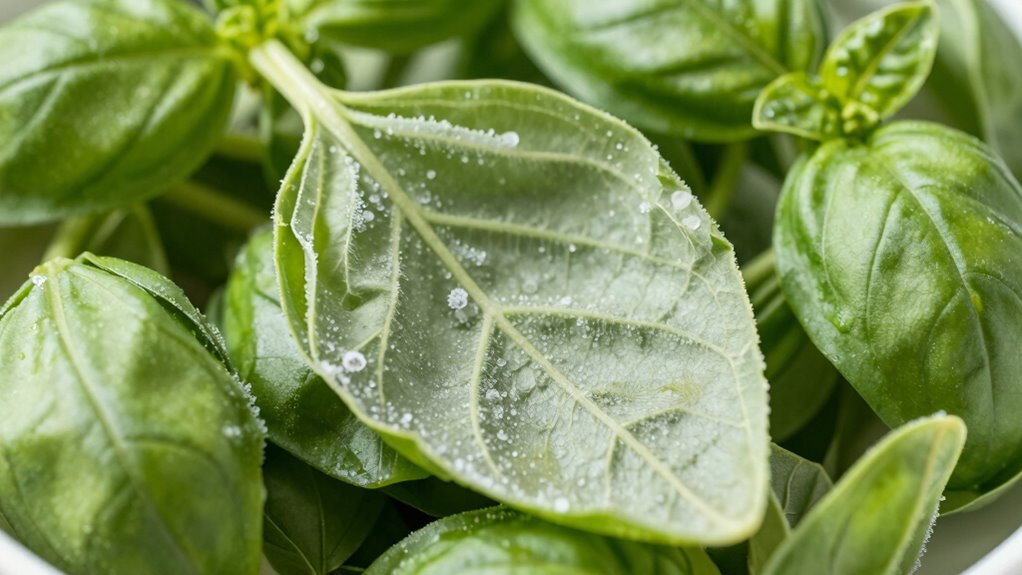
Initially, the first texture change you’ll notice is the loss of moisture. Freeze drying removes water content while preserving the cellular structure of the produce. Because of this, the texture becomes incredibly light and airy, almost crispy. For example, berries turn into delicate, brittle pieces, and leafy greens become crisp and crumbly. This shift happens quickly once the water molecules are sublimated—turned directly from ice into vapor—bypassing the liquid stage. The result is a product that is considerably less dense but still retains the original flavor profile.
Freeze drying removes moisture, making produce light, crispy, and retaining its natural flavor and cellular structure.
Flavor preservation remains a top priority during freeze drying. Since the process occurs at low temperatures, it minimizes heat damage, helping your produce retain its natural taste. The concentrated flavors of fruits, herbs, and vegetables stay intact, sometimes even intensifying due to moisture removal. You’ll find that freeze-dried produce offers a flavor that’s close to fresh, making it ideal for snacking, cooking, or baking. Unlike canning or dehydration, freeze drying preserves the essence of your produce without adding sugars or preservatives, maintaining the purity of your garden harvest.
Nutrient retention is another essential benefit. Because freeze drying involves gentle temperature control, it preserves most vitamins, minerals, and antioxidants better than other preservation methods. Your produce won’t just look and taste like the original; it will also deliver the same nutritional punch. In fact, because the cellular structure remains mostly intact, nutrients are less likely to degrade during the process. This means you’re getting nutrient-rich food, ready to boost your meals long after harvest, without the worry of losing essential vitamins or minerals.
freeze drying food storage machine
As an affiliate, we earn on qualifying purchases.
As an affiliate, we earn on qualifying purchases.
Frequently Asked Questions
How Long Does the Freeze Drying Process Typically Take?
The freeze drying process usually takes between 24 to 48 hours, depending on the volume and type of produce. During this time, the freeze duration and temperature control are essential. You need to maintain low temperatures and carefully monitor the process to guarantee proper sublimation. Patience is key, as rushing can compromise texture and flavor. Trust the process, and you’ll end up with perfectly preserved, lightweight, and crispy garden produce.
Can All Garden Produce Be Successfully Freeze Dried?
Surprisingly, not all garden produce can be successfully freeze dried. While you might think anything’s fair game, some fruits and vegetables lose flavor or color retention during the process, making them less appealing. Ironically, tougher or higher-moisture items often don’t fare as well, despite seeming ideal. To preserve flavor and color, you’ll need to choose produce carefully, understanding that not everything will survive the freeze drying adventure intact.
What Is the Best Way to Prepare Produce Before Freeze Drying?
To prepare produce before freeze drying, you should use pre-treatment techniques like washing, peeling, and slicing to guarantee quality preservation. Blanching can also help inactivating enzymes, maintaining texture and color. Removing excess moisture and choosing uniform, fresh produce enhances the process. Proper preparation prevents spoilage and preserves nutrients, resulting in high-quality dried products. Always follow specific guidelines for each type of produce to optimize results and guarantee the best texture and flavor.
How Does Freeze Drying Affect Nutrient Content?
Imagine you’re in the age of dial-up internet; freeze drying preserves nutrients better than traditional methods. It keeps most nutrients intact, ensuring high nutrient retention. However, degradation factors like exposure to heat, light, and oxygen can still cause some nutrient loss. Overall, freeze drying minimizes nutrient degradation, making your garden produce a healthy, long-lasting snack. You’ll enjoy the flavor and benefits without sacrificing essential vitamins and minerals.
What Are Common Storage Methods for Freeze-Dried Produce?
You should use airtight packaging techniques, like vacuum-sealed bags or Mylar pouches with oxygen absorbers, to store freeze-dried produce. Keep these containers in a cool, dark, and dry place to maximize shelf life. Proper storage duration varies, but generally, your freeze-dried goods can last 6 months to several years if well-preserved. Regularly check for signs of moisture or spoilage to guarantee freshness.
home freeze dryer for fruits and vegetables
As an affiliate, we earn on qualifying purchases.
As an affiliate, we earn on qualifying purchases.
Conclusion
As you explore freeze drying your garden produce, you’ll notice texture changes unfold like a delicate dance, starting with the outer layers. Think of it as peeling an onion—each layer reveals a new level of transformation. With patience, you’ll see how the process preserves flavors while altering the feel, turning your garden’s bounty into lightweight, crispy treats. Embrace the journey, and you’ll enjoy the magic of your harvest long after the growing season ends.
As an affiliate, we earn on qualifying purchases.
vacuum freeze dryer for food preservation
As an affiliate, we earn on qualifying purchases.
As an affiliate, we earn on qualifying purchases.
Fall Picks
fall essentials
As an affiliate, we earn on qualifying purchases.