Insect net tunnels usually block pests better than row covers because they have finer mesh sizes and are made from stronger, more durable materials. They create a tighter, more effective barrier against tiny insects like aphids and thrips, reducing the need for chemicals. While row covers are easier to install, insect net tunnels offer superior long-term protection if properly installed and maintained. Keep going to discover which option suits your garden needs best.
Key Takeaways
- Insect net tunnels generally provide a tighter, more complete barrier due to their stronger, finer mesh and secure fit.
- Finer mesh sizes in insect net tunnels effectively block tiny pests like aphids and thrips better than typical row covers.
- Proper installation and no gaps are crucial; both options are effective if fitted correctly, but net tunnels often achieve better pest exclusion.
- The durability and weather resistance of net tunnels allow for longer-lasting, effective pest protection over multiple seasons.
- Overall, insect net tunnels tend to block pests more effectively and reliably than standard row covers.
What Are Insect Net Tunnels and Row Covers, and How Do They Work?
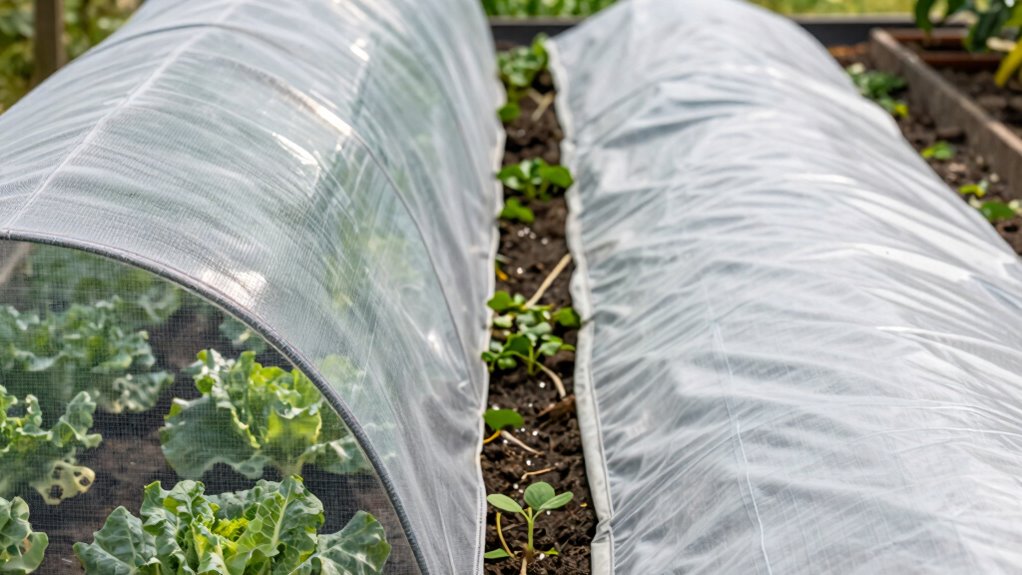
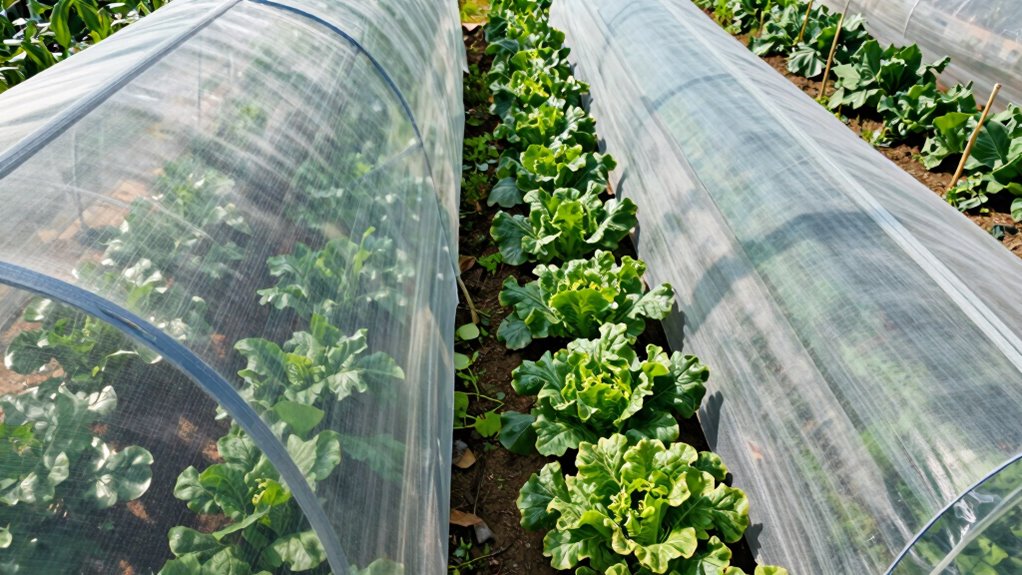
Insect net tunnels and row covers are protective fabrics used to shield crops from pests and environmental damage. They are typically made from lightweight materials with specific mesh sizes that determine which insects can pass through. A smaller mesh size blocks even tiny pests, offering better protection, while larger mesh allows airflow but might let smaller insects in. These covers also provide UV protection, shielding plants from harmful sun rays that can cause damage or stress. You can drape them directly over your plants or create tunnels for easier access and better coverage. By choosing the right mesh size and UV protection level, you guarantee your crops stay healthy and pest-free, extending your growing season and reducing your reliance on chemical pesticides.
How Effective Are These Covers at Keeping Pests Out of Your Garden?

When it comes to keeping pests out, both insect net tunnels and row covers create a barrier, but their effectiveness varies. You need to contemplate how well each one blocks different pests, depending on their size and behavior. Durability and maintenance also influence how long these covers can reliably protect your garden. Additionally, selecting covers made with energy-efficient materials can enhance their sustainability and longevity. Using covers with UV-resistant fabric can further extend their lifespan against sun damage, ensuring better protection over multiple seasons. The choice of breathable fabrics also plays a role in preventing issues like mold or plant overheating. Incorporating pest-specific barriers can optimize protection against particular insects or animals, depending on your garden’s needs.
Barrier Effectiveness Comparison
Both insect net tunnels and row covers are designed to keep pests out of your garden, but their effectiveness can vary based on factors like material quality and installation. Insect net tunnels often provide a more complete barrier, reducing pest entry and preventing pollinator exclusion when properly ventilated. Row covers are generally easier to install but may allow small pests or insects to slip through if the material isn’t fine enough. Consider the environmental impact of the covers too; high-quality materials can be reused multiple seasons, reducing waste. While both options block common pests effectively, their barrier strength depends on mesh size and coverage. The mesh size of the covers influences their durability and long-term effectiveness in pest prevention. Your choice should balance pest exclusion needs with your garden’s pollination requirements and sustainability goals. Additionally, the material quality of the covers influences their durability and long-term effectiveness in pest prevention.
Pest Exclusion Range
The pest exclusion range of garden covers depends largely on their mesh size and how well they fit your plants. Smaller mesh sizes offer better pest exclusion, effectively blocking small insects like aphids and thrips, which enhances crop protection. Insect net tunnels typically have finer mesh, providing a tighter barrier, while row covers may vary in mesh size depending on their purpose. Proper fit is essential—gaps or loose edges can let pests slip through, reducing their effectiveness. By selecting covers with the right mesh size and ensuring a snug fit, you can greatly boost pest exclusion. Additionally, understanding the mesh size of the covers helps determine their suitability for different pests, ensuring more targeted and effective protection. This targeted approach helps keep pests out, minimizes the need for chemical interventions, and improves overall crop protection.
Durability and Maintenance
Durability and maintenance are essential factors in determining how well insect net tunnels and row covers protect your garden over time. Fabric strength directly impacts how long these covers last, especially when exposed to weather or physical damage. Stronger materials resist tearing and punctures, reducing the need for frequent repairs. Repairability also plays a key role; covers that are easy to patch or replace sections save you time and effort, ensuring continuous pest protection. Insect net tunnels often feature reinforced fabric for added durability, while some row covers may be thinner but still manageable with proper care. Regular maintenance, like cleaning and inspecting for tears, helps extend the lifespan of your covers. Additionally, selecting covers with UV resistance can further enhance their longevity against sun exposure. weather-resistant materials can provide extra protection during storms and harsh weather conditions, further prolonging the lifespan of your covers. Considering the material composition can also help determine how well the covers withstand environmental stresses over time. Incorporating proper storage techniques during off-seasons can greatly improve the durability and lifespan of your pest covers. Choosing durable, repairable covers ensures consistent pest exclusion and less hassle over the growing season.
Which Is More Durable and Made From Better Materials?
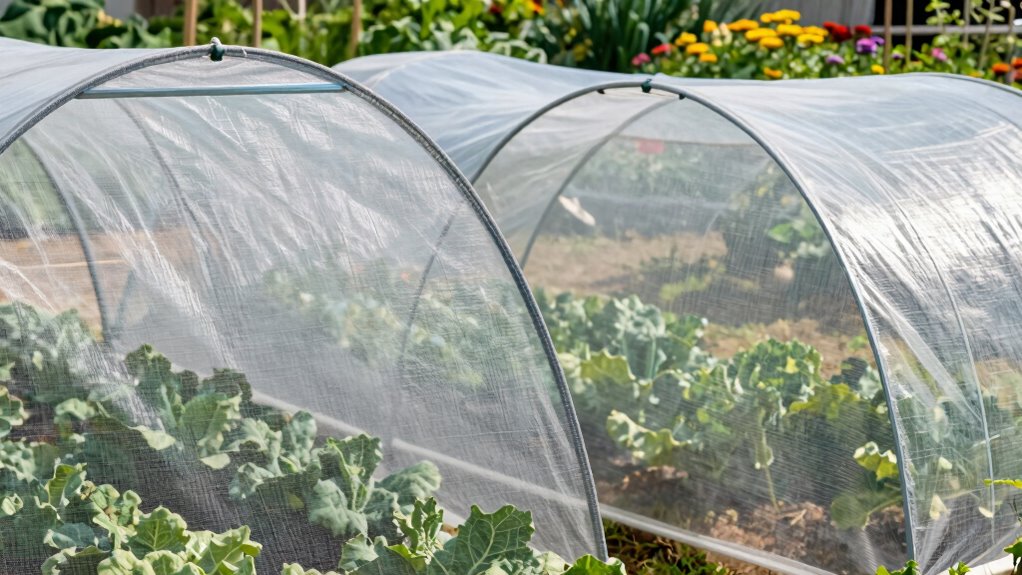
When choosing between insect net tunnels and row covers, understanding their materials is essential because it directly impacts how long they last and how well they protect your crops. Insect net tunnels typically use stronger materials with higher material strength, making them more durable against tearing and damage. They often feature enhanced weather resistance, allowing them to withstand wind, rain, and sun exposure better than lighter options. If durability and longevity matter most, insect net tunnels generally outperform row covers due to their superior material strength and weather resistance. This makes them a better investment for long-term pest protection. Additionally, considering the materials used in construction can help determine how well each option will perform over time. Recognizing the importance of material durability ensures you choose a solution that maintains its protective qualities season after season. Moreover, advances in material science have led to the development of fabrics that resist UV degradation and biological wear, further extending the lifespan of these protective coverings. Selecting high-quality fabrics designed for outdoor use can significantly improve the longevity of either option. Incorporating innovative textiles that incorporate UV inhibitors and antimicrobial properties can further enhance their durability and pest-blocking capabilities.
How Easy Are They to Install and Maintain?
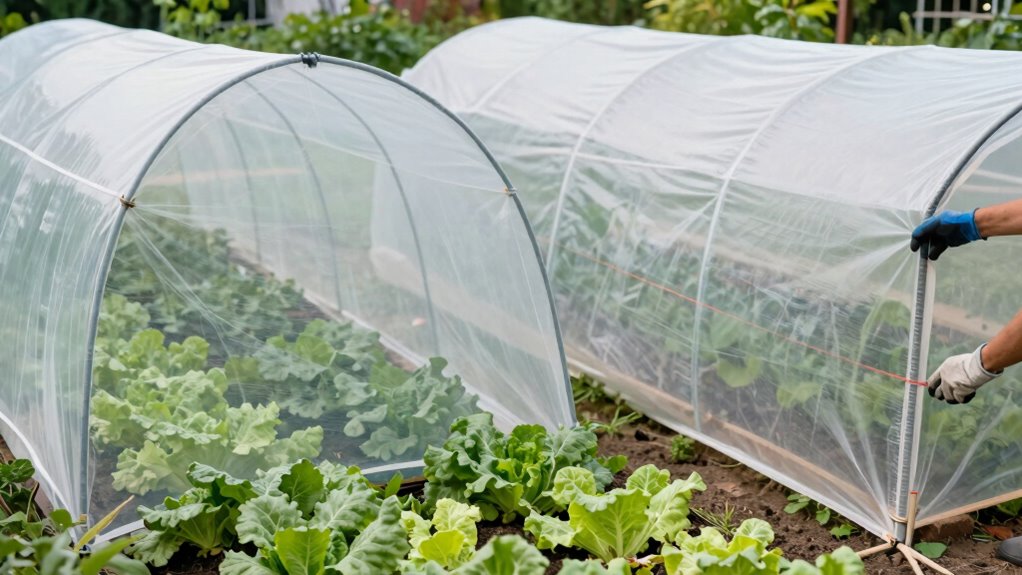
Installing insect net tunnels and row covers varies in complexity, affecting how quickly you can set them up. A well-designed setup can save you time and effort during installation. A key factor is choosing durable materials that can withstand weather conditions, which impacts their lifespan and ease of handling over time. The durability of your chosen materials impacts their lifespan and ease of handling over time. proper installation techniques can help you get the most out of your pest-blocking covers. Additionally, selecting high-quality materials ensures better performance and reduces the need for frequent replacements. Regular maintenance routines are essential to preserve their effectiveness and extend their usability, just as robotic cleaning systems require consistent upkeep to function optimally over time.
Ease of Installation
Both insect net tunnels and row covers are designed to protect plants with relative ease, but their installation processes vary. Insect net tunnels often feature automatic installation systems, making setup quicker and less labor-intensive. They typically come with pre-assembled frames or roll out easily, reducing the time you spend covering your crops. Row covers, on the other hand, usually require manual placement and securing, which might be more time-consuming but offers flexibility in coverage. The aesthetic impact of row covers can be minimal when properly installed, but nets that are less streamlined may look less tidy. Overall, insect net tunnels tend to offer a faster, more streamlined installation experience, while row covers give you more control over placement, though they may demand more effort during setup.
Material Durability
Insect net tunnels are typically made from durable materials like fiberglass-reinforced plastics and tightly woven polyethylene fabrics that withstand exposure to weather and continuous use. Their weather resistance means they won’t easily degrade or tear when exposed to rain, wind, or sun. The material strength of these coverings ensures they stay intact over multiple growing seasons, reducing the need for frequent replacements. Installing these tunnels might require some initial effort, but their sturdy construction makes them easier to handle and secure. Maintenance involves inspecting for tears or damage after storms or heavy winds, but overall, their durable materials minimize ongoing upkeep. Choosing a product with high material durability helps you protect your crops effectively while avoiding the hassle of frequent repairs or replacements. Additionally, selecting coverings with UV resistance can further extend their lifespan and maintain their protective qualities over time. Proper installation techniques also contribute to the longevity and effectiveness of insect net tunnels, making them a reliable choice for pest control. Furthermore, considering material longevity can help ensure your investment lasts through multiple seasons, providing consistent pest protection and reducing the need for frequent replacements.
Maintenance Requirements
Maintaining insect net tunnels is generally straightforward due to their sturdy construction. They require minimal effort to install and upkeep, making them ideal for organic gardening. Here are three key maintenance aspects:
- Regularly check for tears or holes, especially after storms, to ensure pests remain blocked.
- Clear debris from the tunnel frame and fabric to prevent mold and pests.
- Remove and store the tunnels during crop rotation, allowing you to prepare the soil for the next planting without damage.
Compared to row covers, insect net tunnels are more durable and easier to manage long-term. Their robust design supports sustainable practices like crop rotation, reducing pests without chemicals. Overall, they’re a practical choice for gardeners seeking low-maintenance pest protection.
Which Cover Offers Better Pest Protection for Your Crops?

When it comes to protecting your crops from pests, choosing the right cover is essential. Insect net tunnels typically offer superior pest resistance because their fine mesh prevents even small insects from reaching your plants. This can lead to a higher crop yield by reducing pest damage. Row covers also provide good protection but may have larger mesh sizes, allowing some pests to slip through. If your goal is maximum pest protection, insect net tunnels are usually more effective. They create a physical barrier that pests cannot breach, ensuring your crops stay safe. Ultimately, the better pest protection depends on your specific pest threats, but for high pest resistance and improved crop yields, insect net tunnels generally outperform row covers.
Are They Cost-Effective and Reusable Over Time?

While insect net tunnels often provide better pest protection, it’s important to contemplate their long-term affordability and durability. To determine if they’re a smart investment, consider these factors:
Insect net tunnels offer superior pest protection when considering long-term cost and durability.
- Initial Cost vs. Savings: Although net tunnels may be pricier upfront, they can reduce crop losses and pesticide use, leading to significant cost savings over time.
- Reusability: High-quality tunnels can be reused season after season, making them a worthwhile long-term investment.
- Durability: Strong materials resist tearing and weather damage, extending their lifespan and maximizing your investment.
Frequently Asked Questions
Can Insect Net Tunnels or Row Covers Affect Plant Growth?
Insect net tunnels and row covers can affect your plant growth by influencing soil moisture and temperature regulation. They help maintain consistent soil moisture levels, preventing drought stress, while also moderating temperature fluctuations to protect plants from extreme cold or heat. However, if not managed properly, they might restrict airflow, leading to excess humidity and potential disease. Proper installation and monitoring guarantee your plants thrive while staying protected.
Are These Covers Suitable for All Climates and Weather Conditions?
Imagine your garden thriving under a protective canopy, but not all covers suit every climate. These insect net tunnels and row covers excel in moderate weather, offering good climate adaptability and weather resilience. However, in extreme heat, cold, or heavy rain, they might struggle, risking damage or insufficient protection. Always choose covers designed for your specific climate, ensuring your plants stay safe and healthy year-round.
How Do Covers Impact Pollination and Beneficial Insect Access?
Covers can limit pollinator access and beneficial insects, so you need to choose designs that allow some airflow and openings for these visitors. Insect net tunnels typically provide better protection while still permitting beneficial insects to pollinate, unlike traditional row covers, which often block access entirely. By selecting covers with strategic vents or mesh sizes, you help guarantee pollination occurs naturally, supporting healthy plant growth and productivity.
What Are the Best Practices for Storing Covers During Off-Season?
Imagine your covers as precious treasures that need safekeeping during the off-season. Store them in a cool, dry place away from direct sunlight to prevent material degradation. Fold them neatly to avoid creases and damage. Use storage methods like breathable bags or containers. Regularly inspect for pests or mold during off-season maintenance. This careful approach guarantees your covers stay in top condition, ready for the next planting season.
Can These Covers Be Used for Organic Pest Management Strategies?
Yes, you can use insect net tunnels and row covers for organic pest management strategies. They work well with biological control methods by physically blocking pests while allowing beneficial insects to thrive. Integrate cover crops underneath or around these covers to enhance pest suppression naturally. This combination boosts your organic approach, creating a healthier environment and reducing the need for chemical pesticides.
Conclusion
Both insect net tunnels and row covers effectively protect your crops from pests, but net tunnels often provide a sturdier barrier, especially in windy conditions. While they might seem pricier upfront, their durability and reusability make them a smart investment over time. Imagine a tunnel shielding your plants like a mini fortress—peace of mind knowing pests can’t get in, so you can enjoy healthier harvests without constantly replacing or repairing your covers.