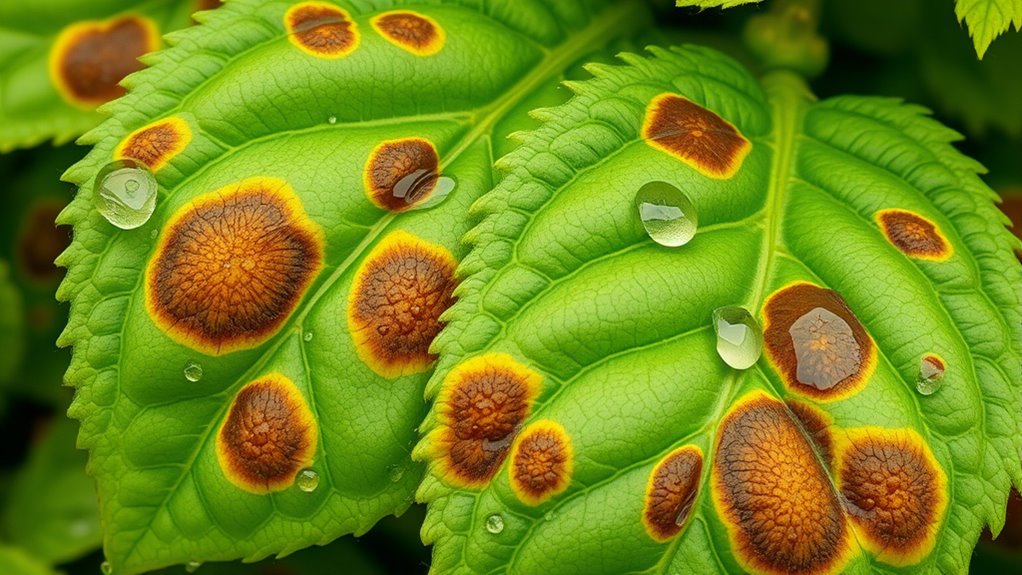
If you notice dark, water-soaked spots on your peppers or tomatoes, bacterial leaf spot might be the cause. To manage it, choose resistant plant varieties and remove infected leaves promptly. Applying organic treatments like copper sprays or neem oil at the first sign of infection can help control the disease. Improving air circulation, avoiding overhead watering, and maintaining garden hygiene also make a difference. Keep these tips in mind to protect your plants and discover more effective strategies.
Key Takeaways
- Identify bacterial leaf spot by dark, water-soaked spots on leaves, which can enlarge and cause leaf drop.
- Use resistant pepper and tomato varieties to minimize disease susceptibility.
- Apply organic treatments like copper sprays, neem oil, or potassium bicarbonate at first signs of infection.
- Practice cultural hygiene: remove infected leaves, avoid overhead watering, and ensure good air circulation.
- Regularly monitor plants for early symptoms to enable prompt treatment and prevent disease spread.

Have you ever noticed dark, water-soaked spots on your plant leaves? If so, you might be dealing with bacterial leaf spot, a common problem in peppers and tomatoes. This disease is caused by bacteria that infect the leaves, leading to unsightly spots that can enlarge and cause leaf drop if left unchecked. The good news is that you can fight it effectively by choosing resistant varieties and applying organic treatments.
Resistant varieties are a smart first line of defense. When planting, opt for cultivars that are bred specifically to resist bacterial leaf spot. These varieties have genetic traits that make them less susceptible to infection, giving you a better chance at maintaining healthy plants throughout the season. By selecting resistant strains, you reduce the need for chemical interventions and improve your chances of a successful harvest. It’s a proactive step that can save you time and effort later on.
Choose resistant plant varieties to prevent bacterial leaf spot and boost your harvest success.
In addition to planting resistant varieties, organic treatments can help control bacterial leaf spot without resorting to harsh chemicals. Organic options include copper-based sprays, which have been proven effective against bacterial diseases. You can also use neem oil or potassium bicarbonate, both of which can reduce bacterial populations on leaf surfaces. Applying these treatments at the first sign of infection—such as small water-soaked spots—can stop the bacteria from spreading further. Regular applications, especially after periods of rain or heavy dew, are key to keeping the disease in check.
Beyond resistant varieties and organic treatments, you should also practice good garden hygiene. Remove and destroy infected leaves as soon as you spot them to prevent bacteria from spreading to healthy parts of your plants. Avoid overhead watering, which can splash bacteria onto leaves, and ensure good air circulation around your plants to reduce humidity—an environment bacteria love. Mulching can also help keep water from splashing onto leaves, further minimizing infection risks.
Monitoring your plants regularly is essential. Early detection allows you to act quickly with organic treatments and cultural practices before the disease becomes widespread. Keep an eye out for the initial water-soaked spots, especially after rain or heavy watering, and respond promptly. By combining resistant varieties, organic treatments, and good garden hygiene, you can effectively manage bacterial leaf spot and keep your peppers and tomatoes healthy and productive throughout the season.

Bonide Captain Jack's Copper Fungicide, 32 oz Ready-to-Use Spray for Organic Gardening, Controls Common Diseases
Control fungus and disease in your garden with Captain Jack’s ready-to-use Liquid Copper Fungicide!
As an affiliate, we earn on qualifying purchases.
As an affiliate, we earn on qualifying purchases.
Frequently Asked Questions
Can Bacterial Leaf Spot Affect Other Vegetable Crops?
Yes, bacterial leaf spot can affect other vegetable crops, especially those with high crop susceptibility. You should be aware of the cross infection risk, as bacteria can spread through water, tools, and infected plant debris. To protect your plants, practice crop rotation, sanitize equipment, and monitor for symptoms across different crops. Being vigilant helps prevent the spread and minimizes damage to your garden or farm.
Are Homemade Remedies Effective Against Bacterial Leaf Spot?
Think of homemade remedies as gentle rain softly nourishing your plants. Natural remedies and household treatments can help manage bacterial leaf spot, but they might not completely eradicate it. Using options like copper sprays or neem oil can provide some relief, yet their effectiveness varies. You’ll want to stay vigilant, applying treatments consistently and combining them with good sanitation to give your crops the best chance against the disease.
How Can I Prevent Bacterial Leaf Spot in Future Seasons?
To prevent bacterial leaf spot in future seasons, you should practice crop rotation by avoiding planting peppers and tomatoes in the same spot each year. Choose resistant varieties that are less prone to infection. Keep your garden clean by removing infected plant debris and avoid overhead watering to reduce humidity. Additionally, guarantee proper spacing for air circulation. These steps will help minimize the risk of bacterial leaf spot developing again.
What Are the Signs of Bacterial Leaf Spot in Early Stages?
Did you know that early symptoms of bacterial leaf spot show up as small, water-soaked spots on your leaves? You’ll notice leaf spotting with irregular, dark brown or black lesions that may have yellow halos. These early signs often appear on the lower leaves first and can spread quickly. Keep a close eye on your plants, and catching these early symptoms helps prevent severe damage and spread.
Is Bacterial Leaf Spot Harmful to Human Health?
Bacterial leaf spot isn’t harmful to your human health, so you don’t need to worry about food safety risks from eating affected produce. The bacteria mainly infect plants, causing spots and damage, but they don’t transfer to humans through consumption. Just guarantee you wash your vegetables thoroughly to remove any bacteria or debris, and enjoy your healthy, safe produce without concern for health issues related to bacterial leaf spot.
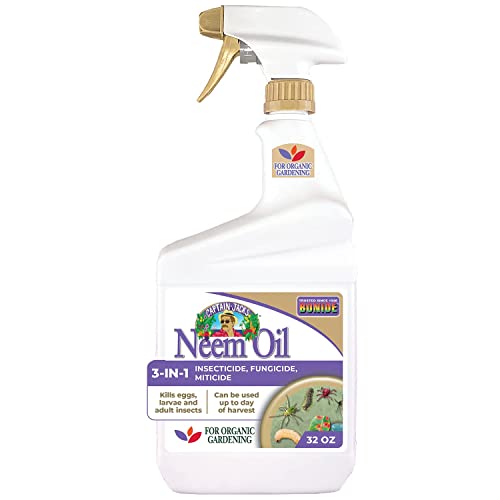
Bonide Captain Jack's Neem Oil, 32 oz Ready-to-Use Spray, Multi-Purpose Fungicide, Insecticide and Miticide for Organic Gardening
MULTI-PURPOSE BUG KILLER – Bonide Neem Oil is a perfect pest control solution for any garden dealing with…
As an affiliate, we earn on qualifying purchases.
As an affiliate, we earn on qualifying purchases.
Conclusion
To keep bacterial leaf spot at bay, stay vigilant and practice good garden hygiene. Regularly inspect your peppers and tomatoes, remove infected leaves, and avoid overhead watering. Remember, an ounce of prevention is worth a pound of cure—your plants will thank you for your efforts. By staying proactive, you can ensure your garden stays healthy and productive, proving that sometimes, the best offense really is a good defense.

Patio Snack Mix Mini Sweet Pepper Seeds for Planting | Compact Lunchbox-Style Heirloom Variety – Non-GMO Container Garden Peppers – Survival Garden Seeds (1 Pack)
SWEET MINI PEPPERS – Colorful red, yellow, and orange snack-size peppers with crisp, mild flavor for fresh eating…
As an affiliate, we earn on qualifying purchases.
As an affiliate, we earn on qualifying purchases.

9.6 oz Potassium Bicarbonate, 100% Pure Potassium Bicarbonate Powder, Potassium Bicarbonate for Plants, Used In Making Wine, Cakes, Cookies and More
HEALTHY LIVING: Potassium bicarbonate has unique savory properties and acts as a low-sodium alternative, while potassium helps keep…
As an affiliate, we earn on qualifying purchases.
As an affiliate, we earn on qualifying purchases.