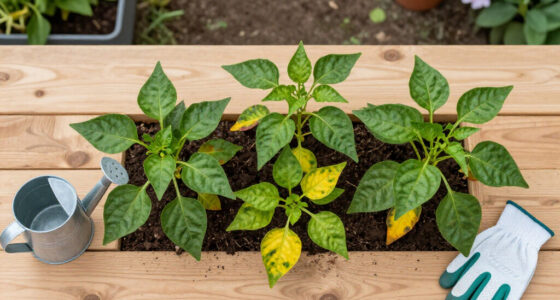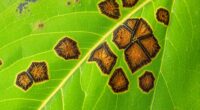
If you notice edema on your houseplants or brassicas, it’s likely caused by overwatering and fluctuations in humidity, which lead to cell swelling and blistering on leaves and stems. Too much water creates waterlogged roots, stressing the plant, while low humidity can worsen the problem. To prevent this, you should monitor soil moisture and maintain stable humidity levels. For a deeper understanding and effective solutions, explore more about managing watering and humidity conditions.

Get garden gear delivered free with Prime
- Fast, free delivery on millions of items
- Prime Video, Amazon Music and more included
- Member-only deals all year
Key Takeaways
- Edema causes blistered or swollen leaves and stems in houseplants and brassicas due to waterlogged cells.
- Overwatering and rapid moisture fluctuations are primary triggers for edema development.
- Maintaining consistent watering, proper drainage, and stable humidity reduces edema risk.
- Brassicas are especially susceptible during rapid growth or environmental stress, requiring careful moisture management.
- Monitoring soil moisture and environmental conditions helps prevent cell rupture and edema symptoms.
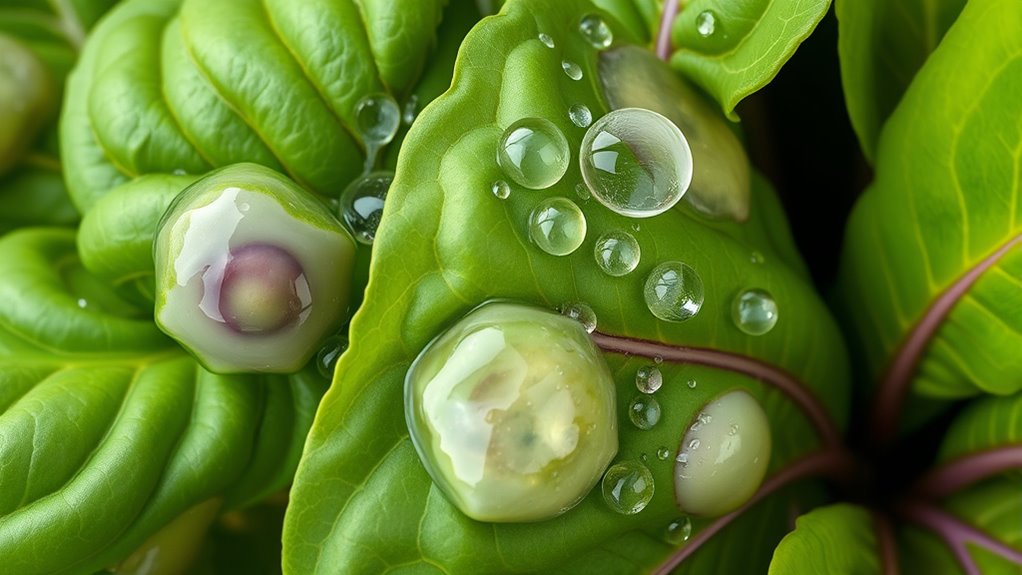
Edema is a common issue that affects both houseplants and brassicas, often caused by overwatering or fluctuations in moisture levels. When caring for your plants, understanding the significance of proper watering frequency is key to preventing edema. If you water too often, the roots can become waterlogged, causing cells within the plant to swell and eventually burst, leading to the characteristic blistered or swollen appearance. Conversely, infrequent watering might cause stress, but consistent, appropriate watering helps maintain healthy cell structure. To get it right, you need to monitor your plants closely and adjust your watering schedule based on their specific needs and environmental conditions.
Proper watering prevents edema by avoiding waterlogged roots and maintaining healthy cell structure.
Humidity levels play a significant role in this balance. Higher humidity can slow down the rate at which soil dries out, meaning you might need to water less frequently. On the other hand, low humidity environments, typical of indoor settings, can cause the soil to dry quickly, tempting you to water more often. However, overwatering during low humidity conditions can still lead to edema, so it’s essential to gauge both soil moisture and ambient humidity. Using a moisture meter can help you determine when your plants truly need water, avoiding the temptation to rely solely on a set schedule. Keep in mind that the season influences watering frequency as well; during active growth periods, plants may require more water, while dormancy reduces their needs.
Maintaining consistent humidity levels is equally important. Sudden changes in humidity can stress your plants, making them more vulnerable to issues like edema. If you notice swelling or blistering on leaves or stems, it’s often a sign that your watering practices or humidity levels need adjustment. To prevent this, ensure your plants are in stable environments with moderate humidity. You can increase humidity around houseplants by grouping plants together, placing a tray of water nearby, or using a humidifier. For brassicas growing outdoors, mulch can help regulate soil moisture, reducing rapid fluctuations that contribute to edema. Additionally, understanding the plant’s watering needs and environmental preferences is crucial for preventing edema and promoting overall health.
Ultimately, managing watering frequency and humidity levels goes hand in hand. Regularly check soil moisture, pay attention to environmental changes, and adapt your watering routine accordingly. This approach helps keep your plants healthy, resilient, and free from edema. Remember, the goal isn’t just watering on a schedule but understanding your plants’ specific needs and providing a stable moisture environment. Doing so minimizes the risk of edema and supports vigorous, healthy growth.
plant moisture meter for houseplants
As an affiliate, we earn on qualifying purchases.
As an affiliate, we earn on qualifying purchases.
Frequently Asked Questions
Can Edema Spread From Houseplants to Other Indoor Plants?
No, edema doesn’t spread from houseplants to other indoor plants. It’s caused by factors like high indoor humidity and plant nutrient imbalance, which affect individual plants rather than transmitting between them. To prevent edema, maintain proper watering habits and ensure good air circulation. If one plant shows symptoms, check your indoor humidity levels and nutrient balance, but rest assured, it won’t infect your other plants.
Is Edema in Brassicas Harmful to Human Health?
Edema in brassicas isn’t harmful to your health because it’s a physiological response of the plant, not a disease or toxin. It doesn’t affect the edible safety of the vegetables, so you can still enjoy your harvest without worry. Focus on maintaining good plant health to prevent issues, but rest assured, edema won’t compromise the safety or quality of your brassicas for eating.
How Long Does It Take for Edema to Resolve Naturally?
Imagine tiny water bubbles rising within your plant’s cells, bursting as they balance out. Edema usually clears up in a few days to a week if you adjust your watering techniques and improve plant physiology. Consistently avoiding overwatering helps your plant recover naturally. Keep an eye on moisture levels, provide proper drainage, and your plant will regain its health, allowing those water bubbles to dissipate as the plant restores its balance.
Are There Specific Fertilizers That Prevent Edema?
Choosing the right fertilizer choices can help prevent edema in your plants. Opt for a balanced, well-draining fertilizer with moderate nitrogen levels, as excessive nitrogen promotes rapid growth and water uptake, increasing edema risk. Slow-release or organic fertilizers are often best because they provide steady nutrients, reducing stress on your plants. Proper fertilization, combined with consistent watering and good drainage, effectively minimizes edema development and keeps your plants healthy.
Can Overwatering Cause Edema in Plants?
Yes, overwatering can cause edema in your plants. When you water excessively, it’s like flooding their roots, leading to symptoms like swollen, blistered tissues that resemble tiny bubbles. Your plant’s water uptake becomes frantic, trying to process all that excess, but the roots drown and can’t do their job. This stress causes cells to burst, creating edema. To prevent this, let the soil dry out between waterings and guarantee proper drainage.
humidity monitor for indoor plants
As an affiliate, we earn on qualifying purchases.
As an affiliate, we earn on qualifying purchases.
Conclusion
Now that you know how edema appears on houseplants and brassicas, you can catch it early like a detective spotting clues. Remember, providing proper watering and avoiding sudden temperature changes helps prevent this condition. Think of your plants as delicate glassware—you want to handle them with care to keep them healthy. By staying attentive and taking proactive steps, you’ll keep your plants thriving and looking their best, just like a well-tended garden in full bloom.
As an affiliate, we earn on qualifying purchases.
As an affiliate, we earn on qualifying purchases.
Fall yard work Picks
leaf blowers
As an affiliate, we earn on qualifying purchases.