Fire blight is a serious bacterial disease that can quickly harm your apple and pear trees, especially during bloom and early fruit development. You’ll want to regularly inspect your trees for signs like scorched leaves, wilting shoots, and bacterial ooze. Managing it involves pruning infected branches, improving air circulation, and applying bactericides during high-risk periods. Staying vigilant and implementing these steps can protect your orchard from severe damage—if you want to learn more, keep going.
Key Takeaways
- Fire blight is a bacterial disease that rapidly damages apple and pear trees, especially during bloom and early fruit development.
- Regular orchard inspection, pruning infected branches, and sanitation are essential for managing and preventing spread.
- Applying bactericides like streptomycin during high-risk periods helps control bacterial infection effectively.
- Monitoring weather conditions, especially warm and wet weather, aids in timing control measures and reducing disease risk.
- Using proper application techniques, such as airless sprayers, ensures even coverage and enhances disease management efforts.

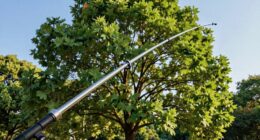
Fire blight is a destructive bacterial disease that can quickly devastate apple and pear orchards if not managed promptly. When you’re dealing with this threat, effective orchard management becomes your first line of defense. You need to stay vigilant, inspecting your trees regularly, especially during bloom and early fruit development stages, when the bacteria tend to spread most rapidly. Proper orchard management involves pruning infected branches to remove sources of bacteria and improve air circulation, which helps reduce humidity—a key factor in bacterial growth. You should also guarantee your equipment is sanitized after pruning to prevent spreading the bacteria from infected to healthy tissue. This proactive approach minimizes bacterial populations and limits disease spread.
Effective orchard management and sanitation are key to controlling fire blight.
Controlling fire blight requires a strategic approach to bacterial control. The application of bactericides, such as streptomycin, can be effective if used correctly and timely, particularly during bloom when the bacteria are most active. However, you should follow local regulations and consider integrated pest management practices to prevent resistance development. Cultural practices also play an essential role in bacterial control; avoid excessive nitrogen fertilization, which encourages lush, vulnerable growth, and select resistant or tolerant varieties if possible. Maintaining proper watering practices to avoid stress on trees can also help bolster their natural defenses against infection.
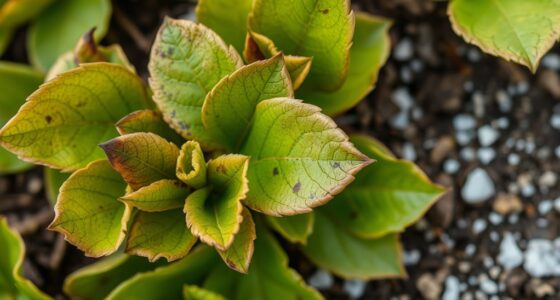
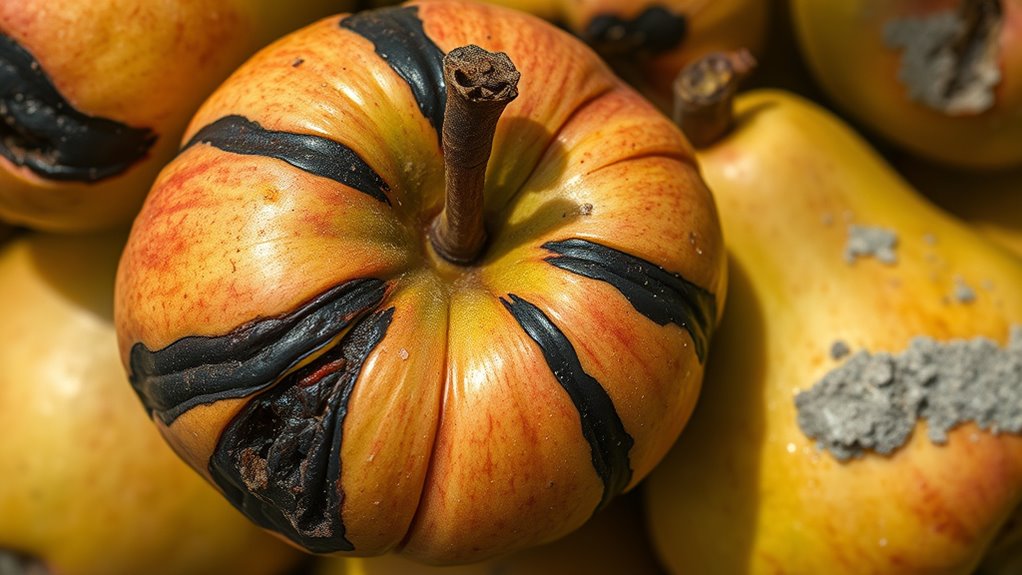
Monitoring weather conditions is indispensable in your bacterial control efforts. Fire blight tends to thrive in warm, wet conditions, so paying attention to weather forecasts allows you to time your control measures more effectively. During periods of high risk, applying bactericides at the right moments can considerably reduce infection rates. Additionally, you should be prepared to prune out infected wood as soon as you notice symptoms—these include scorched-looking leaves, wilting shoots, and darkened bacterial ooze. Proper disposal of infected plant material is essential to prevent reinfection and bacterial spread within your orchard. Using airless paint sprayers can be an effective way to apply bactericides evenly over large orchard areas, ensuring thorough coverage and minimizing waste.
Ultimately, managing fire blight is about being proactive and adopting a complete approach. You need to combine orchard management strategies, such as pruning and sanitation, with bacterial control measures like timely bactericide applications and resistant varieties. By staying informed about weather conditions and regularly inspecting your trees, you can catch early signs of infection before they become severe. This integrated approach not only helps protect your crops but also encourages healthier, more resilient trees, ensuring a productive and profitable orchard season.
Frequently Asked Questions
Can Fire Blight Affect Other Fruit Trees Besides Apples and Pears?
Yes, fire blight can affect other fruit trees besides apples and pears. You should know that alternative hosts like quince or certain ornamental plants can harbor the bacteria, increasing the risk of disease spread. If you have these plants nearby, it’s essential to monitor them closely, prune infected parts promptly, and practice good sanitation. This helps prevent the bacteria from moving to your main fruit trees and spreading further.
Are There Organic Methods to Prevent Fire Blight?
Imagine your orchard as a vibrant, healthy landscape where organic prevention keeps fire blight at bay. You can use biological controls like beneficial microbes to outcompete harmful bacteria, creating a natural barrier. Pruning infected branches and applying copper sprays also help. These organic methods strengthen your trees’ defenses, allowing you to protect your fruit without chemicals, ensuring a resilient, thriving orchard that remains safe and fruitful all season long.
How Long Does It Take for Fire Blight Symptoms to Appear?
Fire blight symptoms typically develop within a few days to a week after infection, depending on environmental conditions. The incubation period, which is the time from infection to visible symptoms, can vary but generally ranges from 24 to 72 hours under ideal conditions. Warm, wet weather accelerates symptom development, so you might notice signs sooner if the weather favors bacterial growth. Keep an eye out for wilting, blackened tissues, and oozing bacteria.
Is Fire Blight Contagious Between Different Orchards?
Yes, fire blight can spread between orchards through bacterial transmission. To prevent this, you should practice orchard sanitation by removing infected plant material and disinfecting tools regularly. Bacteria can be carried by insects, rain, or contaminated equipment, so maintaining good sanitation reduces the risk of spreading the disease. Always monitor neighboring orchards and coordinate control measures to limit bacterial transmission and protect your crops.
What Are the Economic Impacts of Fire Blight on Orchards?
A stitch in time saves nine, and fire blight’s economic impact proves this. You could face significant economic loss as orchard productivity drops, and market decline follows. The disease damages trees, reducing fruit yield and quality, which hits your revenue hard. Plus, increased management costs drain resources. Ignoring early signs risks long-term financial setbacks, making swift action essential to protect your orchard’s profitability and market standing.
Conclusion
You now know how to spot and manage fire blight on your apple and pear trees. With timely action, you can keep the disease at bay and save your harvest. Remember, an ounce of prevention is worth a pound of cure—stay vigilant and act quickly if you notice symptoms. Don’t let fire blight burn through your orchard; nip it in the bud before it spreads and ruins your fruit.