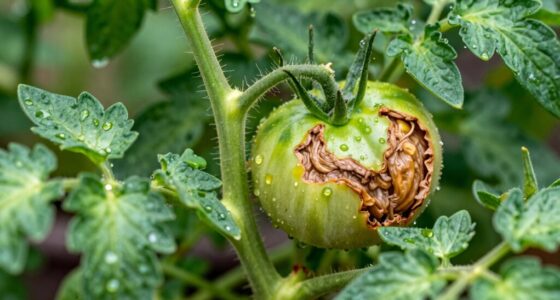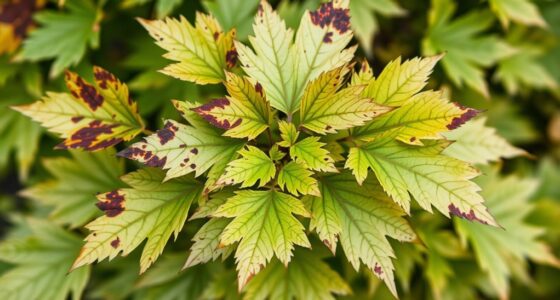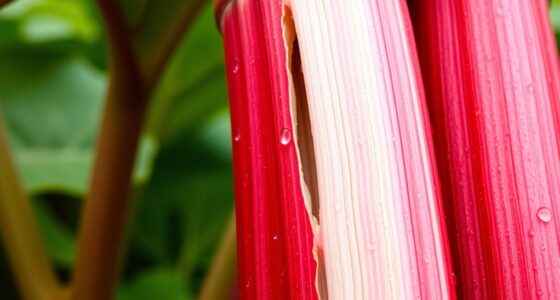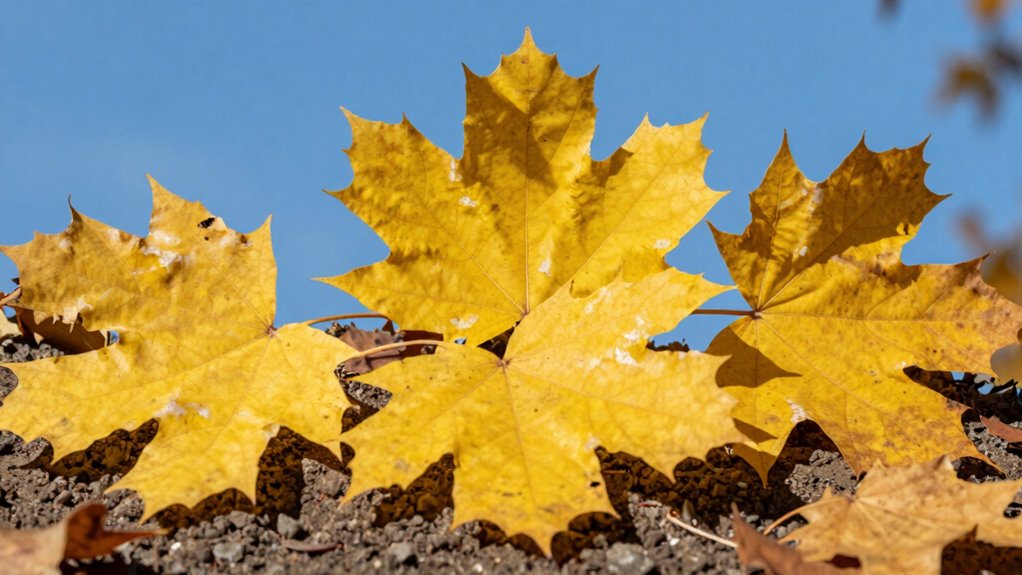

Yellow leaves don’t always mean you need fertilizer. Often, other issues like pests, root damage, or overwatering cause the yellowing, not a nutrient deficiency. Fertilizing in these cases can make problems worse or just mask symptoms temporarily. To truly help your plant, you need to figure out the root cause first. If you want to discover more about why yellow leaves might signal different issues, keep exploring further.

Get garden gear delivered free with Prime
- Fast, free delivery on millions of items
- Prime Video, Amazon Music and more included
- Member-only deals all year
Key Takeaways
- Yellowing can result from pest infestations that disrupt nutrient flow, not just nutrient deficiencies.
- Root damage from overwatering or poor drainage causes yellow leaves, unrelated to fertilizer needs.
- Underlying issues like pests or root problems must be diagnosed before applying fertilizer.
- Fertilizing a healthy plant with yellow leaves may mask problems and delay proper treatment.
- Maintaining soil health and proper watering practices helps prevent yellowing without unnecessary fertilization.
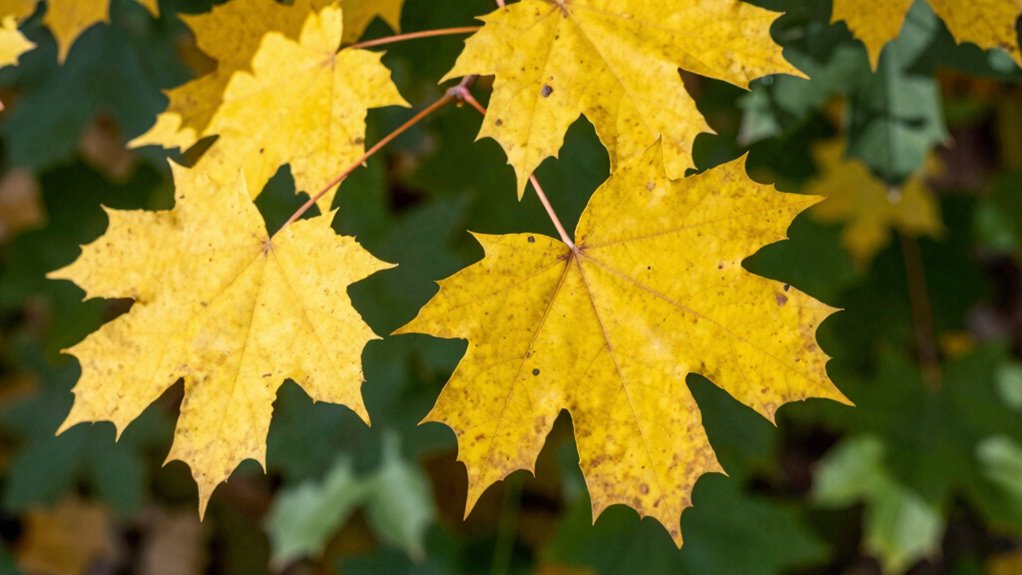
Have you ever seen yellow leaves on your plants and immediately thought they needed more fertilizer? It’s a common reaction, but sometimes, yellowing isn’t a sign of nutrient deficiency. In fact, it could be pointing to other issues, like pest infestations or root damage, that require different solutions. Jumping straight to fertilizing might not only be unhelpful but could also make matters worse by encouraging unhealthy growth or masking underlying problems.
Yellow leaves often signal pests or root issues, not just a need for fertilizer—diagnose before you fertilize.
Pest infestations are often overlooked as a cause of yellow leaves. Tiny insects like aphids, spider mites, or scale can latch onto your plants, feeding on sap and weakening the plant’s overall health. When pests settle in, they disrupt the flow of nutrients, making the leaves turn yellow or pale. Instead of tossing fertilizer into the mix, you need to inspect your plants carefully. Look for signs of pests—small bugs, webbing, or sticky residue. Treating pests early with appropriate methods, like insecticidal soap or neem oil, can stop the damage before it worsens. Ignoring pest issues and just fertilizing might give the illusion of improvement temporarily, but it won’t eliminate the pests or address the root cause of your plant’s distress.
Root damage is another major culprit behind yellow leaves. Roots can be harmed by overwatering, poor drainage, or physical injury during repotting. When roots are damaged, they can’t absorb nutrients and water efficiently, which results in yellowing leaves, especially at the tips or margins. If you suspect root problems, don’t rush to fertilize. Instead, gently remove the plant from its pot and examine the roots. Healthy roots should be white or light tan and firm. If you see black, brown, or mushy roots, trim away the damaged parts and repot your plant in fresh, well-draining soil. Giving the roots the chance to recover is more effective than adding nutrients that the damaged roots can’t absorb.
In many cases, yellow leaves are signaling a need for attention beyond just feeding. Whether it’s pests or root issues, addressing the underlying problem is the best way to restore your plant’s health. Fertilizer isn’t a cure-all; sometimes, it’s just a band-aid that covers up what’s really going wrong. By inspecting carefully, diagnosing properly, and tackling the real issues, you’ll help your plants recover and thrive far more effectively than by simply increasing their fertilizer intake. Additionally, understanding and maintaining biodiversity in your garden can contribute to healthier plants that are more resilient to pests and diseases.
Furthermore, maintaining healthy soil conditions can prevent many issues that lead to yellowing leaves, promoting overall plant vitality. Recognizing the importance of proper watering practices can also help prevent root damage, ensuring your plants stay healthy and vibrant. Understanding how soil health impacts plant resilience can help prevent many problems before they start. Incorporating practices like composting and crop rotation can improve soil quality, which is fundamental for vibrant, resilient plants.
insecticidal soap for plant pests
As an affiliate, we earn on qualifying purchases.
As an affiliate, we earn on qualifying purchases.
Frequently Asked Questions
Can Overwatering Cause Yellow Leaves?
Yes, overwatering can cause yellow leaves. When you water too much, it leads to water stress, depriving roots of oxygen and causing root damage. This weakens the plant’s ability to absorb nutrients, resulting in yellowing leaves. To prevent this, guarantee proper watering practices, allowing soil to dry out slightly between waterings. Proper drainage and avoiding excessive watering help maintain healthy roots and vibrant green foliage.
Do Different Plant Species Show Yellowing Differently?
Think of plant pigmentation as a language, speaking differently across species. Yes, some plants show yellowing more vividly, while others subtly fade, especially during seasonal changes. For instance, deciduous trees turn gold in fall, signaling natural shifts, not problems. You notice these variations because each plant has its own way of expressing health, and understanding these signs helps you care better without jumping to conclusions about nutrient deficiencies.
How Does Sunlight Affect Leaf Color Changes?
Sunlight intensity directly affects leaf color changes because it influences leaf pigmentation. When your plant gets ample sunlight, it produces more chlorophyll, resulting in vibrant green leaves. Conversely, insufficient sunlight can cause leaves to turn yellow or pale as chlorophyll production slows down. Too much direct sunlight might scorch leaves, leading to discoloration. So, balancing sunlight exposure helps maintain healthy, colorful foliage and prevents unwanted yellowing.
Are Pests a Common Cause of Yellow Leaves?
Yes, pests can turn your plant’s leaves yellow faster than a lightning strike! Pest identification is essential, as tiny invaders like aphids or spider mites sneak in and drain your plant’s vitality. To prevent this chaos, use pest prevention methods like regular inspection, natural predators, or neem oil. Catch pests early, and you’ll save your plant from a yellow, drooping disaster that feels worse than a bad hair day!
How Long Does Yellowing Usually Last Before It’s a Problem?
Yellowing leaves typically last for a few days to a week before it signals a problem, but it varies. If it’s due to nutrient deficiency, the yellowing persists longer without improvement. Seasonal change can cause temporary yellowing, which often resolves naturally. Keep an eye on your plants; if yellow leaves stick around or worsen, it’s time to check for nutrient deficiencies or other issues, rather than jumping to fertilizer.
As an affiliate, we earn on qualifying purchases.
Conclusion
Just like the wise gardener who knows that not every wilted leaf signals a lack of water, you should remember that yellow leaves aren’t always a call for fertilizer. Sometimes, it’s nature’s way of telling you to adjust, not add. Pay attention to your plant’s unique needs, and you’ll nurture growth with patience and understanding, not just quick fixes. After all, even the stars need darkness to shine their brightest—so, trust the process and give your plants time to thrive.
As an affiliate, we earn on qualifying purchases.
As an affiliate, we earn on qualifying purchases.
Columbus Day / Indigenous Peoples' Day Picks
long weekend sales
As an affiliate, we earn on qualifying purchases.