Poor water quality can mimic plant diseases by causing leaf discoloration, browning edges, and wilting. Iron deposits create rust stains and yellowing leaves, while high salts lead to leaf scorch and brown edges. Sediment buildup can clog roots, causing unhealthy growth. These issues often seem like plant illnesses but stem from water problems. Understanding these signs helps you identify the cause—keep exploring to learn how to fix them effectively.
Key Takeaways
- Water chemistry issues like excess salts, iron, or sediment can cause plant symptoms resembling diseases, such as leaf browning or wilting.
- Iron buildup appears as rust-colored stains and causes yellowing between veins, mimicking nutrient deficiency symptoms.
- Salt deposits cause leaf scorch, browning edges, and white crusts, often confused with plant disease signs.
- Sediment accumulation reduces water clarity, leads to root stress, and can cause symptoms similar to root rot or disease.
- Regular water testing and monitoring help distinguish between water-related problems and actual plant diseases.
How Water Quality Issues Can Mimic Plant Diseases
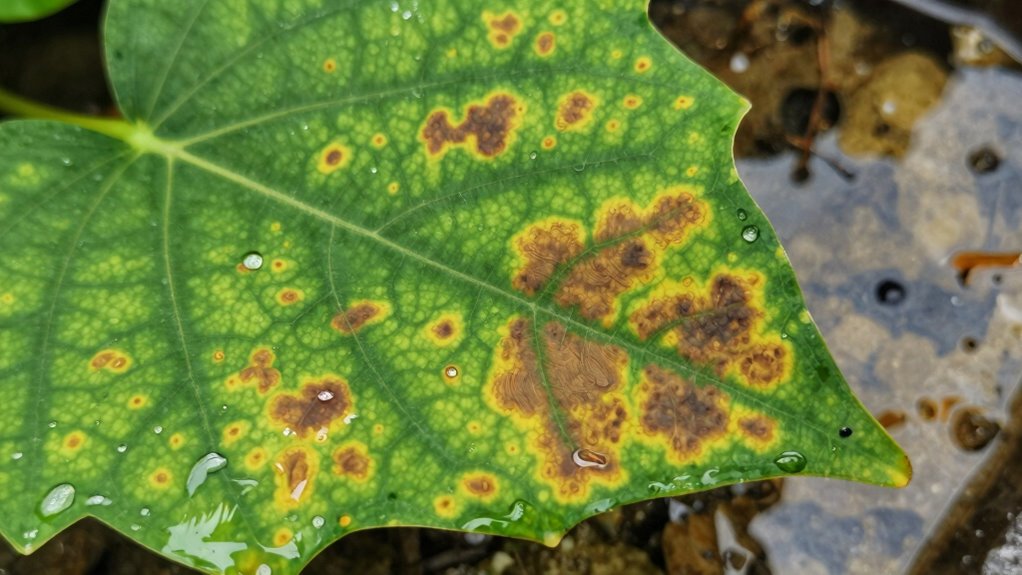
Water quality problems can often be mistaken for plant diseases because they cause similar symptoms, such as leaf discoloration, wilting, and stunted growth. Poor water chemistry can disrupt the balance of essential nutrients, leading to plant nutrient deficiency. When plants don’t receive the right mix of minerals and elements, their leaves may turn yellow or brown, and growth slows down. These symptoms can resemble those caused by diseases, making it tricky to diagnose the real issue. If your water contains excess salts or contaminants, it can interfere with nutrient uptake, further mimicking disease symptoms. Recognizing that water chemistry plays a critical role helps you understand that what appears to be a plant disease might actually be a nutrient deficiency caused by poor water quality. Understanding water chemistry is essential for accurate diagnosis and effective treatment. Additionally, monitoring soil and water conditions regularly can help prevent misdiagnosis and ensure your plants receive proper care. Being aware of salts and sediments in your water can help you identify and address underlying issues before they harm your plants. Regular testing of your water quality parameters can provide valuable insights into potential problems affecting your plants’ health, especially since contaminants can accumulate over time and impact plant vitality.
How to Spot Iron Buildup in Water and What Symptoms It Causes
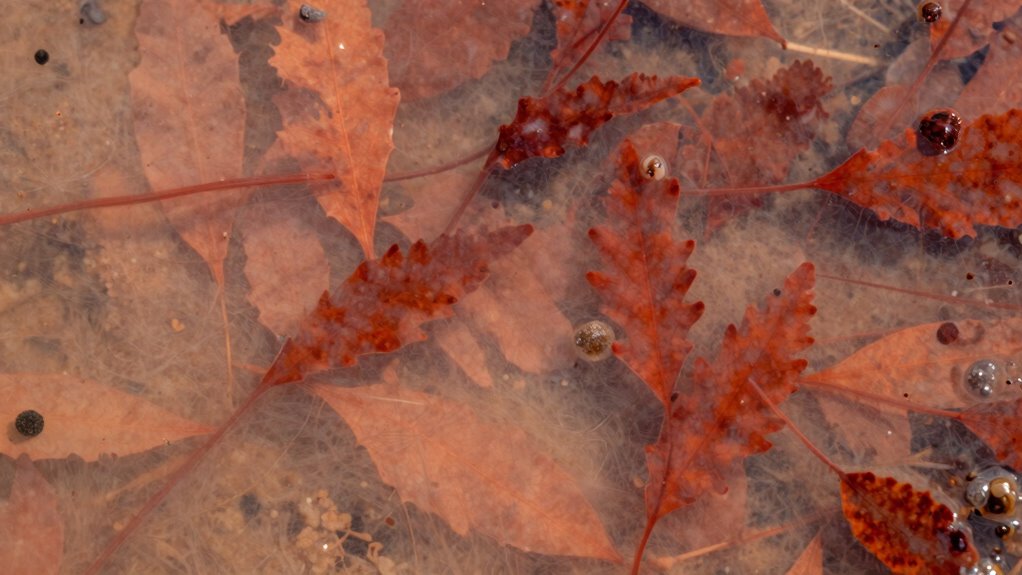
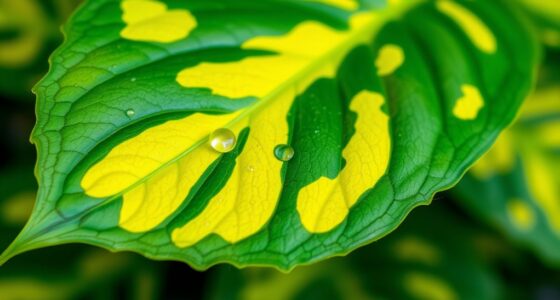
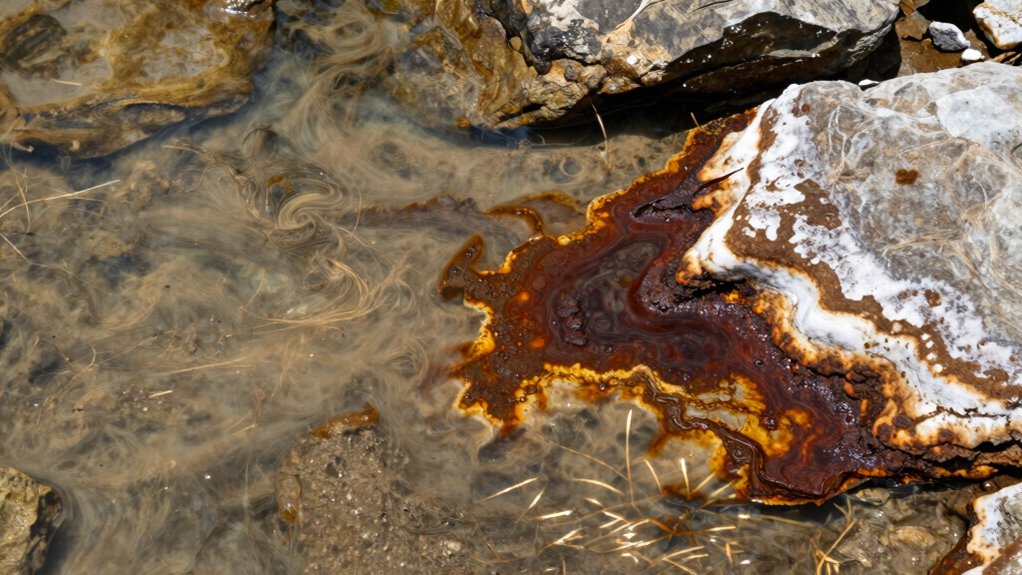
Iron buildup in water can be subtle but has noticeable effects on your plants. You’ll often notice iron deposits forming on plant leaves, stems, and soil surfaces, which can look like rust stains. Water discoloration is another key sign—it may appear as a reddish or orange tint in your irrigation water. If your plants develop yellowing leaves, especially between the veins, iron buildup might be the culprit, as excess iron interferes with nutrient uptake. You might also see stubborn stains on containers, pots, or fixtures. These symptoms indicate iron deposits in your water supply, which can harm plant health over time. Recognizing these signs early helps you take appropriate action to prevent further damage caused by iron buildup, especially when combined with other water quality problems like salts or sediment. Being aware of water filtration options can help mitigate these issues effectively.
Signs of Salt Deposits and How They Damage Plants
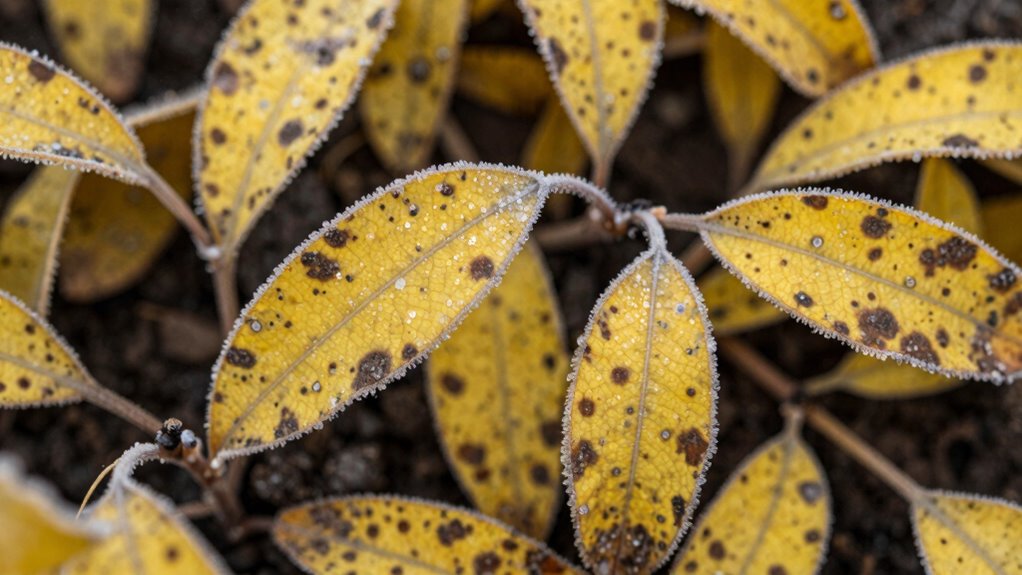
You might notice white crusts on soil or plant surfaces, indicating visible salt buildup. Leaf discoloration, especially browning or scorched edges, can signal salt stress. Additionally, unhealthy roots or stunted growth often show signs of damage caused by salt deposits. Using electric power generation methods like bike generators can be an eco-friendly way to monitor and manage soil health and irrigation systems. Proper landscape planning can help mitigate salt buildup by improving drainage and reducing salt accumulation in the root zone. Incorporating sound vibrations into soil analysis techniques could enhance detection of subsurface salinity issues, leading to more targeted mitigation strategies. Recognizing the biochemical processes behind salt deposits may also help develop innovative solutions to prevent or reduce soil salinity. Understanding soil chemistry and its role in salinity formation can further assist in designing effective soil amendment practices.
Visible Salt Buildup
Have you noticed white, crusty deposits forming on the soil surface or around plant roots? This is a sign of visible salt buildup, indicating excess salts in your watering water or soil. Salt deposits, or visible salt buildup, can appear as a crusty layer that hardens over time, making it difficult for plants to absorb water. When salts accumulate, they create a barrier that prevents proper nutrient uptake and can lead to leaf scorch, wilting, or stunted growth. You might also see salt stains on pot sides or soil surfaces. These deposits signal ongoing salt issues that harm plant health. Recognizing visible salt buildup early helps you take action to flush out excess salts and prevent further damage. Vetted – Aromatherapy Naturals Additionally, understanding the soil chemistry involved can help in choosing appropriate remediation methods to restore plant vitality and prevent soil degradation. Proper management of Gold IRA markets can provide insights into resource allocation for soil and water testing, ensuring sustainable practices.
Leaf Discoloration Patterns
When salt accumulates in the soil, it often shows up through specific leaf discoloration patterns that signal underlying problems. You’ll notice foliage patterns where the edges or tips of leaves turn yellow, brown, or develop a scorched appearance, which are key discoloration clues. These symptoms typically appear first on older leaves, as salts interfere with nutrient uptake and water movement within the plant. The discoloration may start as marginal browning or necrosis and can spread inward if salt buildup continues. In some cases, you’ll see uneven coloration or mottling, indicating stress from salinity. Recognizing these foliage patterns helps you identify salt deposits early, so you can take steps to flush the soil and prevent further damage to your plants. Understanding soil salinity is crucial in preventing long-term plant health issues caused by salt accumulation. Additionally, proper soil management can help mitigate the effects of salt buildup and promote healthier plant growth. Being aware of soil testing methods and regularly monitoring salinity levels can further assist in maintaining optimal conditions for plant health. Moreover, Glycolic acid treatments may be used to improve soil and plant conditions, aiding in the reduction of salt-related stress.
Root Damage Signs
Salt deposits in the soil can cause visible root damage that hampers your plants’ ability to absorb water and nutrients. This leads to root stress, weakening the plant’s overall health. You might notice root necrosis, where roots turn brown or black and decay. Signs of damage include stunted growth, wilting, and poor nutrient uptake. To better understand, consider this table:
| Damage Type | Symptoms | Cause |
|---|---|---|
| Root stress | Wilting, yellowing leaves | Salt buildup, poor drainage |
| Root necrosis | Blackened, decayed roots | Excess salts, dehydration |
| Growth delay | Small, pale new growth | Nutrient deficiency |
| Plant decline | Yellowing, leaf drop | Severe root damage |
Monitoring root health helps you catch salt-related issues early before irreversible damage occurs. Proper soil management and drainage practices can help prevent salt accumulation and protect your plants from these issues. Additionally, understanding how soil chemistry affects plant health enables more effective remediation strategies. Recognizing the symptoms of salt damage early can save your plants from severe decline and improve recovery outcomes. Being aware of other environmental factors that influence soil salinity can further assist in maintaining healthy root systems.
How to Detect Sediment in Water and Its Effect on Plant Roots
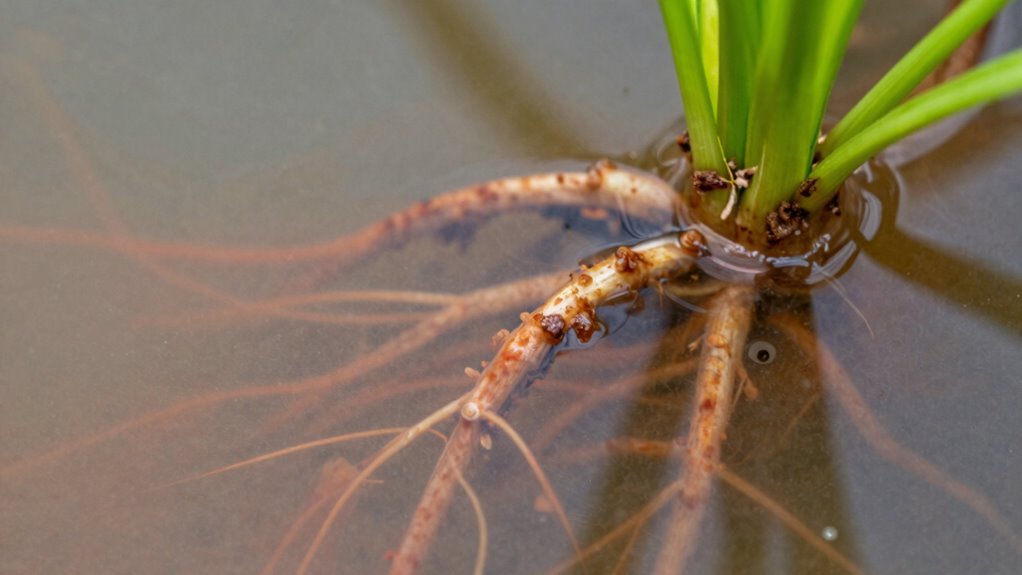
Detecting sediment in water is essential because it can considerably impact plant roots and overall water quality. Sediment accumulation often causes water to look cloudy or less transparent, reducing water clarity. To identify sediment issues, observe the water’s appearance—if it’s murky or contains visible particles, sediment may be present. You can also gently swirl a sample in a clear container; if particles settle slowly or remain suspended, sediment levels are high. Sediment can clog root zones, interfere with nutrient uptake, and promote disease. Regularly inspecting water sources and noting changes in clarity help you catch sediment buildup early. Reducing sediment entry involves managing soil erosion and using proper filtration. Staying vigilant ensures your plants receive cleaner water, promoting healthier roots and growth.
How to Tell Water Problems Apart From Actual Plant Diseases
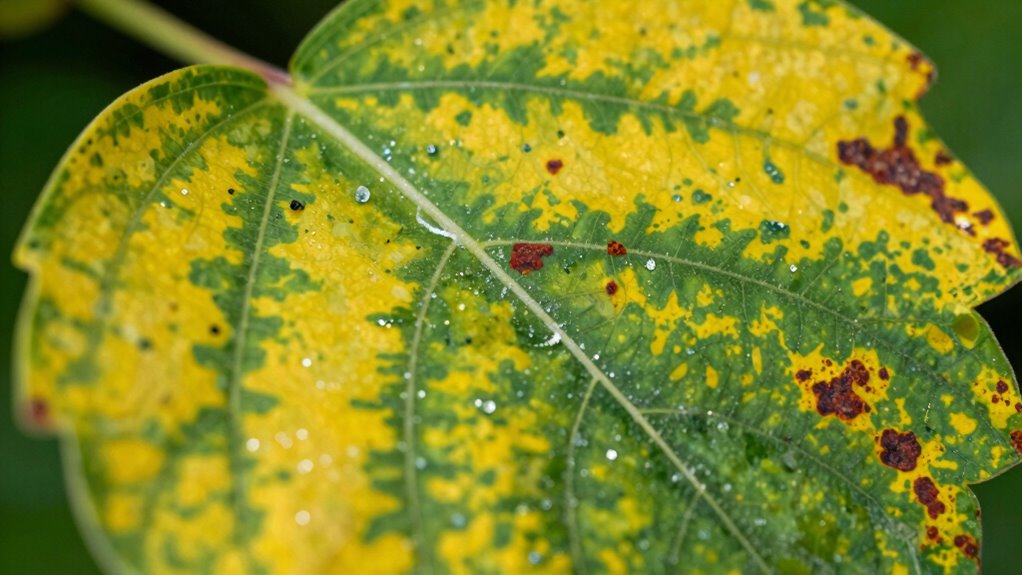
To tell water problems apart from plant diseases, start by recognizing visual symptoms like leaf discoloration or wilting that don’t match typical disease patterns. You should also test your water’s composition to identify issues like high pH or contaminants that could harm plants. By combining these observations, you can better determine whether water quality or disease is causing the problem.
Recognize Visual Symptoms
How can you tell if your plant’s symptoms come from water issues rather than a disease? Look closely at the symptoms and compare them to typical plant diseases. Water problems often cause discoloration, spots, or leaf curling, but these signs can resemble disease symptoms. To differentiate, perform water testing and observe the pattern of symptoms. Water-related issues tend to affect many plants uniformly, with consistent, dull coloration or mineral deposits. Plant diseases usually cause irregular spots or mold. Use this visual guide:
| Symptom | Water Issue | Plant Disease |
|---|---|---|
| Leaf discoloration | Yellowing, iron staining | Irregular spots, mold |
| Leaf curling | Salt buildup, sediment deposits | Wilting with visible mold |
| Deposits on leaves | Sediment accumulation | Fungal growth, spots |
Recognizing these clues helps you maintain plant health without unnecessary treatments.
Test Water Composition
Testing your water composition is essential to determine if water quality issues are harming your plants. By analyzing key factors, you can differentiate between water problems and actual plant diseases. First, check the pH fluctuations, which can cause nutrient uptake issues and mimic disease symptoms. Second, measure water temperature, as high or inconsistent temperatures stress plants and lead to similar symptoms. Third, test for salts and sediment levels, since excess salts can cause leaf scorch and sediment can block roots. Regular testing with simple kits or lab analysis helps identify these issues early. Understanding your water’s pH stability and temperature consistency allows you to address problems proactively, ensuring your plants stay healthy and avoiding misdiagnosis of disease when the root cause is water quality.
Practical Steps to Test and Improve Your Water Quality for Healthy Plants
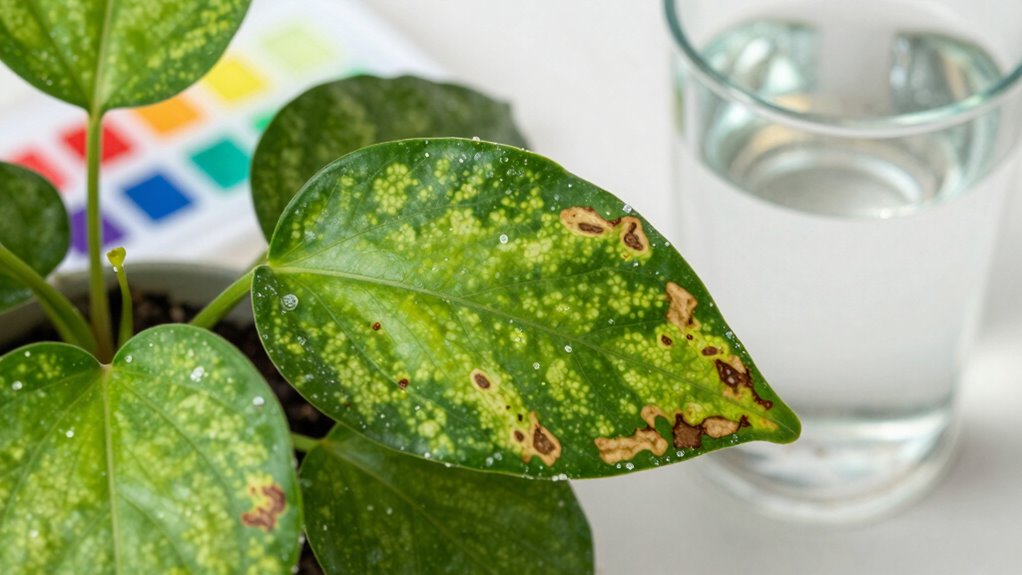
Ensuring your water quality is essential for healthy plants, and taking practical steps to test and improve it can make a significant difference. Start by testing your water for common issues like salts, sediment, and iron, which can mimic plant diseases. Use simple testing kits or send samples to a lab for detailed analysis. To prevent aquatic pests and other contaminants, consider installing water filtration systems suited to your water source. Regularly inspect and maintain filters to keep water clean. Adjust watering practices based on test results, such as adding conditioners or filtration devices to reduce harmful minerals. These steps will help guarantee your plants receive pure, healthy water, promoting vibrant growth and preventing disease caused by water quality problems.
Frequently Asked Questions
Can Water Quality Issues Cause Long-Term Plant Growth Problems?
Yes, water quality issues can cause long-term plant growth problems. When you use contaminated water, it can lead to soil contamination and nutrient deficiencies, which weaken your plants over time. Poor water quality may cause persistent root damage, reduce nutrient uptake, and stunt growth. Addressing these issues early helps prevent lasting damage, ensuring your plants stay healthy and thrive in the long run.
Are There Specific Plant Species More Sensitive to Water Quality Problems?
You’ll find that some plant species are more sensitive to water quality issues, making them more vulnerable to problems like excess salts or iron. For example, delicate seedlings or native plants often suffer more quickly from poor water conditions. While all plants can be affected, understanding species sensitivity helps you prioritize care. Recognizing plant vulnerability enables you to adjust watering practices and protect your garden’s health effectively.
How Often Should I Test My Water for Contaminants Affecting Plants?
You should test your water for contaminants regularly, ideally every 6 to 12 months. Regular soil testing helps identify nutrient imbalances, while testing water quality guarantees it’s free from iron, salts, and sediments that can mimic disease symptoms. Using water filtration systems can reduce harmful substances. Frequent testing keeps your plants healthy, allowing you to catch problems early and adjust your watering and soil management practices accordingly.
Can Natural Water Sources Develop Issues Similar to Irrigation Water Problems?
Yes, natural water sources can develop issues similar to irrigation problems. Natural filtration can sometimes lead to mineral accumulation, causing high levels of salts or iron that affect your plants. Over time, these minerals build up, creating conditions that resemble plant diseases. To prevent this, regularly test your water and consider treatment options, like filtration or dilution, to guarantee your plants stay healthy and avoid damage from mineral-related issues.
What Are the Best Environmentally Friendly Solutions for Water Quality Improvement?
You can improve water quality environmentally by using biodegradable filters that naturally remove contaminants without harming the environment. Incorporate organic water treatments, like compost teas or biochar, to enhance water health and soil fertility. These solutions are sustainable, reduce chemical use, and support ecosystems. Regular testing helps you monitor progress. By choosing biodegradable filters and organic treatments, you guarantee cleaner water while protecting the environment for future generations.
Conclusion
By paying close attention to your water, you can spot subtle signs like rust-colored stains or crusty deposits that hint at hidden problems. Imagine your plants sipping on water that’s clear and pure instead of muddy or salty—healthy roots thriving underground. Taking simple testing steps guarantees your plants aren’t fighting unseen battles. With a little care, you’ll see your garden flourish, its vibrant leaves and sturdy stems standing proud, all thanks to water that nurtures rather than harms.