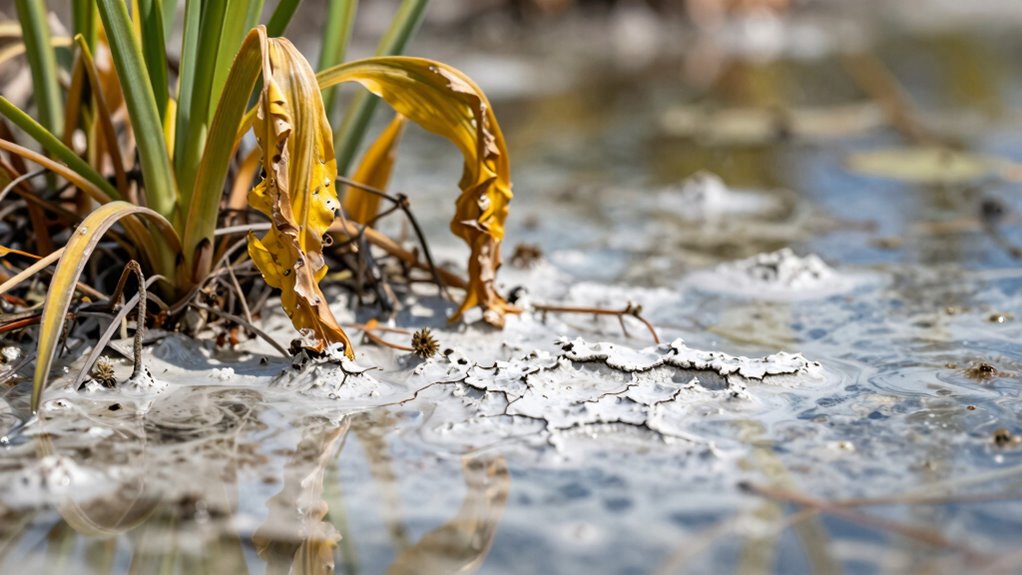

Poor water quality often causes white crust buildup on surfaces and stresses your plants by disrupting nutrient absorption. This happens when minerals like calcium and magnesium settle out due to pH imbalance, leading to scaling and crust formation. It can also make plants struggle by blocking roots or affecting nutrient uptake. If you want to understand how to fix these issues and protect your plants and plumbing, you’ll find useful tips ahead.

Get garden gear delivered free with Prime
- Fast, free delivery on millions of items
- Prime Video, Amazon Music and more included
- Member-only deals all year
Key Takeaways
- Mineral deposits from high pH water cause white crust buildup on surfaces and plants.
- pH imbalance, especially high pH, leads to scaling and stressed, nutrient-deficient plants.
- Water with excess calcium and magnesium contributes to mineral buildup and plant stress.
- Corrosive water leaks metals into water, harming plants and reducing water quality.
- Regular water testing and pH correction prevent crust formation and promote healthy plants.

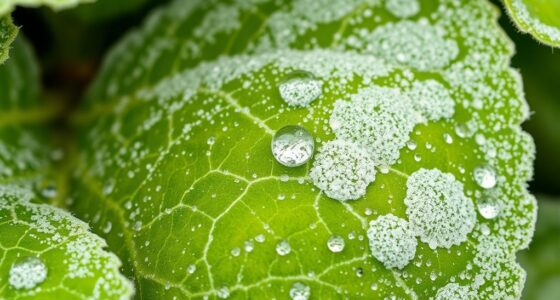
Have you ever wondered how safe the water you drink really is? If you notice a white crust forming on your fixtures or around your garden hoses, it’s a sign that your water has some underlying issues. This crust is often caused by mineral buildup, which occurs when minerals like calcium and magnesium settle out of the water and accumulate on surfaces. While it might seem harmless at first, mineral deposits can be a clear indicator that your water isn’t as clean as you’d hope. These deposits can clog pipes, reduce water flow, and interfere with your appliances, making everyday tasks more difficult and costly.
White crust on fixtures signals mineral buildup, often from calcium and magnesium, risking clogged pipes and appliance issues.
But the problem goes beyond just the crust. The mineral buildup is frequently linked to pH imbalance in your water. When water isn’t properly balanced, it tends to become either too acidic or too alkaline. This imbalance can loosen minerals from soil and surrounding rocks, increasing their concentration in the water. A high pH (alkaline water) can cause scaling, leading to that stubborn white crust you see. Conversely, low pH (acidic water) can corrode pipes, releasing metals like iron and copper into your water supply, which not only affects taste but can pose health risks. Both situations stress your plumbing system and can harm your plants if you use that water for irrigation. Regular water testing is essential to detect and address these issues early and prevent long-term damage. Understanding how water chemistry influences mineral behavior can help you better manage these problems.
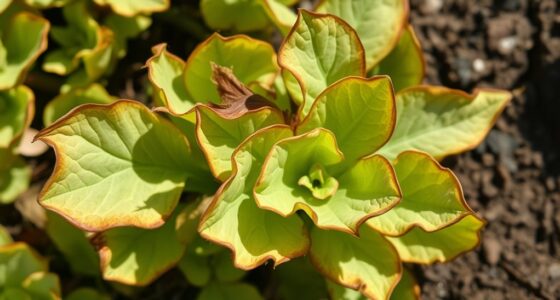
Your plants are especially vulnerable to these imbalances. When water contains excess minerals or has a pH that’s too high or too low, it stresses your plants rather than helping them thrive. Mineral buildup in the soil can block root absorption, leading to poor growth or even plant death. Acidic or alkaline water can also disrupt nutrient uptake, causing leaves to yellow, stems to weaken, or flowers to wilt. Over time, this stress accumulates, reducing your garden’s productivity and health. It’s frustrating to see your plants struggle despite your best efforts, but understanding the water quality issues behind it can help you take corrective steps. Proper water management is crucial for maintaining a healthy garden and ensuring your plants get the nutrients they need. Recognizing signs of mineral buildup early can save you time and money on repairs and replacements.
As an affiliate, we earn on qualifying purchases.
Frequently Asked Questions
Can Water Treatment Plants Remove All Mineral Deposits?
Water treatment plants can’t remove all mineral deposits, especially mineral buildup caused by water hardness. They typically reduce certain minerals like chlorine and heavy metals, but minerals like calcium and magnesium, which cause water hardness, often remain. To fully address mineral buildup, you might need additional filtration systems like ion exchange or reverse osmosis. These help lower water hardness, preventing white crust and stress on your plants.
Does White Crust Affect All Types of Plants Equally?
White crust doesn’t affect all plants equally; some are more sensitive than others. Think of it as a mixed bag—plants with delicate roots or thin leaves suffer more from crust formation caused by mineral deposits. If you notice crust on your soil, it’s likely stressing sensitive plants, while tough, hardy varieties may shrug it off. Your plant’s sensitivity determines how much this white crust impacts its health.
How Often Should I Test My Water Quality?
You should test your water quality at least once a month to guarantee ideal plant health. Regular water testing frequency helps you catch issues early, preventing white crust buildup and plant stress. If you notice problems like white crust or stressed plants, increase testing to bi-weekly. Consistent testing allows you to adjust watering practices or treatment methods, safeguarding your plants’ vitality and avoiding long-term damage.
Are Homemade Solutions Effective for Water Purification?
Homemade solutions can be effective for water purification if you use proper DIY filtration methods and natural purifiers. You might try activated charcoal, sand, or gravel filters, which remove impurities and improve water clarity. Natural purifiers like boiling or using certain plants can help eliminate bacteria. However, remember that homemade setups may not be as reliable as commercial filters, so testing your water regularly guarantees safe, clean water for your plants or household use.
What Are Long-Term Health Risks of Consuming Mineral-Laden Water?
Mineral composition in water acts like a double-edged sword—beneficial in moderation but risky in excess. Consuming mineral-laden water regularly can lead to health implications such as kidney stones, cardiovascular issues, and mineral buildup in tissues. Long-term exposure might strain your organs and disrupt your body’s natural balance. It’s essential to monitor mineral levels in your water to prevent these risks and protect your overall health.
water softener for mineral buildup
As an affiliate, we earn on qualifying purchases.
As an affiliate, we earn on qualifying purchases.
Conclusion
To wrap it up, addressing water quality issues isn’t just about fixing a problem; it’s about preventing your garden from becoming a battlefield of white crust and stressed plants. Think of your plants as delicate dancers; when the water’s quality falters, they stumble and falter. By keeping your water clean, you’re giving your garden the perfect stage to flourish, turning a troubled scene into a thriving masterpiece. Your plants deserve nothing less.
garden water filter for mineral removal
As an affiliate, we earn on qualifying purchases.
As an affiliate, we earn on qualifying purchases.
As an affiliate, we earn on qualifying purchases.
Halloween Picks
halloween
As an affiliate, we earn on qualifying purchases.