To give your new grass the best chance, you should overseed during the most favorable window for your climate and grass type. For cool-season grasses, early fall is ideal, while late spring or early summer works best for warm-season grasses. Timing it right ensures better germination and healthy growth. If you stick to these guidelines, you’ll increase your chances of success—exploring further will reveal even more tips for thriving new grass.

Get garden gear delivered free — and shop member deals
- Fast, free delivery on millions of items
- Access to Prime Big Deal Days deals on October 6–7
- Prime Video, Amazon Music and more included
Key Takeaways
- Overseed in early fall for cool-season grasses to maximize growth before winter dormancy.
- For warm-season grasses, late spring or early summer provides optimal conditions for establishment.
- Timing should align with grass’s natural growth cycle and avoid extreme weather conditions.
- Ensure soil is prepared, moist, and temperature-appropriate before overseeding.
- Post-seeding, maintain consistent moisture and proper care to improve germination success.
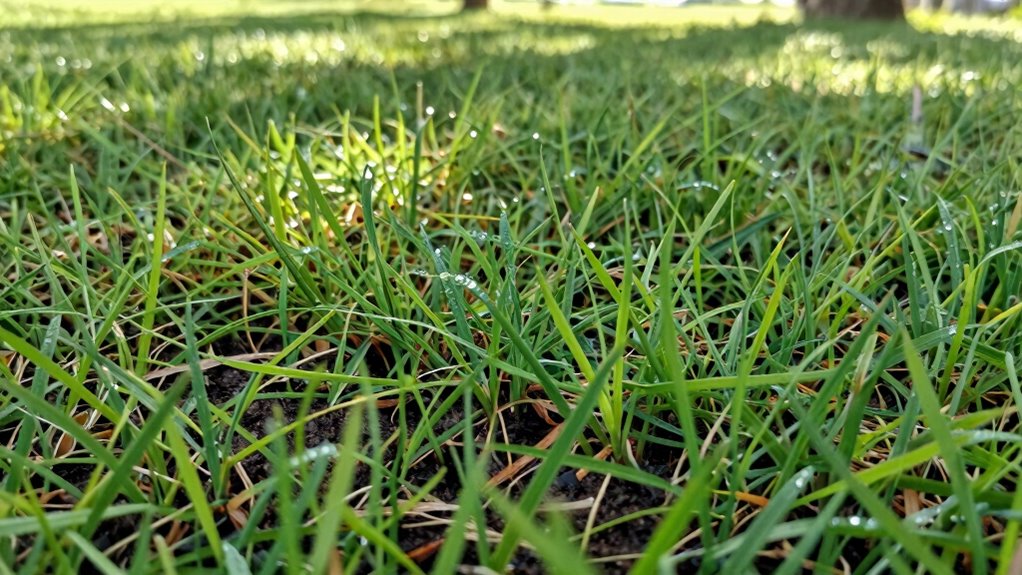
The best time to overseed your lawn with new grass is during its ideal growing season, which varies depending on your climate and grass type. If you’re aiming for successful overseeding, timing is everything. When conditions align with the grass’s natural growth cycle, your new seeds will have a better chance to establish and thrive. Typically, this means planting in early fall for cool-season grasses and late spring or early summer for warm-season grasses. Waiting for the right window ensures the seeds can take root before extreme weather or dormancy sets in. Proper soil preparation is essential to create a healthy environment for seed germination and growth. Before you sprinkle your seeds, soil preparation is essential. You need a clean, well-prepared seedbed to maximize seed-to-soil contact. Start by mowing your existing grass short and removing any debris, thatch, or dead patches. Aerate the soil if it’s compacted, so water, nutrients, and air can penetrate deeply. Raking the area helps loosen the soil surface, creating a good environment for seed germination. When you prepare the soil, pay attention to seed density; applying too many seeds can cause overcrowding, leading to competition for resources, while too few may result in patchy coverage. Follow the recommended seed density for your grass type to ensure an even, healthy lawn. Spreading seeds evenly across the prepared soil ensures uniform growth, and a light topdressing with soil or compost can improve seed-to-soil contact, which is critical for germination. Timing your overseeding with soil conditions and moisture levels also plays an important role, especially since soil moisture influences germination success. The soil should be moist but not waterlogged at planting time. Additionally, monitoring soil temperature can help determine the optimal time for overseeding, as different grass types have preferred temperature ranges for germination. Ensuring proper seed-to-soil contact can significantly improve germination rates and promote healthy root development. After spreading the seeds, lightly rake or roll the area to press the seeds into the soil, enhancing seed contact and improving germination rates. Keep the area consistently moist during the first few weeks; regular watering encourages quick germination and healthy root development. Avoid overseeding during periods of drought or extreme heat, as young grass can struggle to establish in such conditions. Being mindful of soil conditions and adjusting watering practices accordingly can further increase the chances of successful overseeding.
As an affiliate, we earn on qualifying purchases.
Frequently Asked Questions
How Does Overseeding Affect Existing Lawn Health Long-Term?
Overseeding benefits your lawn’s long-term health by filling in bare spots and encouraging thicker growth. To maximize results, you should combine overseeding with lawn aeration, which improves soil health and nutrient penetration. Additionally, grass fertilization helps support new seedling development and overall robustness. This combination promotes a resilient, lush lawn that can better resist pests and diseases, ensuring your yard stays healthy and vibrant over the years.
Can Overseeding Be Done During Drought Conditions?
Did you know that drought-resistant grasses can survive with as little as 1-2 inches of water per week? Overseeding during drought conditions isn’t ideal, but it’s possible if you choose drought-resistant grasses and adjust your irrigation scheduling. Water the new seeds deeply and infrequently, ideally early in the morning, to help them establish. Keep in mind, success depends on your climate and grass type.
What Are the Best Seed Varieties for Overseeding in Winter?
For winter overseeding, choose seed varieties like perennial ryegrass, fine fescues, or tall fescues since they’re compatible with cooler temperatures. Make certain to match grass compatibility with your existing lawn and plant the seeds at a shallow depth, around 1/4 to 1/2 inch, to promote germination. Proper seed planting depth and selecting the right seed variety help guarantee your new grass establishes well during winter.
How Does Soil Preparation Influence Overseeding Success?
Soil preparation is vital for overseeding success. If you address soil compaction, you improve aeration and root growth, helping new grass establish better. Incorporate nutrient enhancement by adding compost or fertilizers to provide essential nutrients, boosting seed germination. Properly loosen and enrich your soil, creating a suitable environment for seed penetration and growth. This preparation guarantees your overseeding efforts have a higher chance of success and a lush, healthy lawn.
Is Overseeding Necessary Every Year for a Lush Lawn?
You might not need to overseed every year if your lawn stays healthy and dense. However, regular overseeding can help maintain lushness, especially after a tough season. When overseeding, guarantee proper fertilizer application to promote growth and pest control to prevent damage. This combination keeps your lawn vibrant and reduces the need for frequent overseeding, making your yard more resilient and attractive year-round.
As an affiliate, we earn on qualifying purchases.
Conclusion
If you want your new grass to thrive, timing is everything. Stick to the overseeding window and give your lawn the best shot at success. Some say overseeding anytime is fine, but evidence shows that planting during the right season leads to stronger, healthier grass. So, don’t leave it to chance—trust the science, follow the guidelines, and watch your lawn flourish. With proper timing, you’ll enjoy a lush, green yard all year round.
As an affiliate, we earn on qualifying purchases.
As an affiliate, we earn on qualifying purchases.
Fall yard work Picks
leaf blowers
As an affiliate, we earn on qualifying purchases.