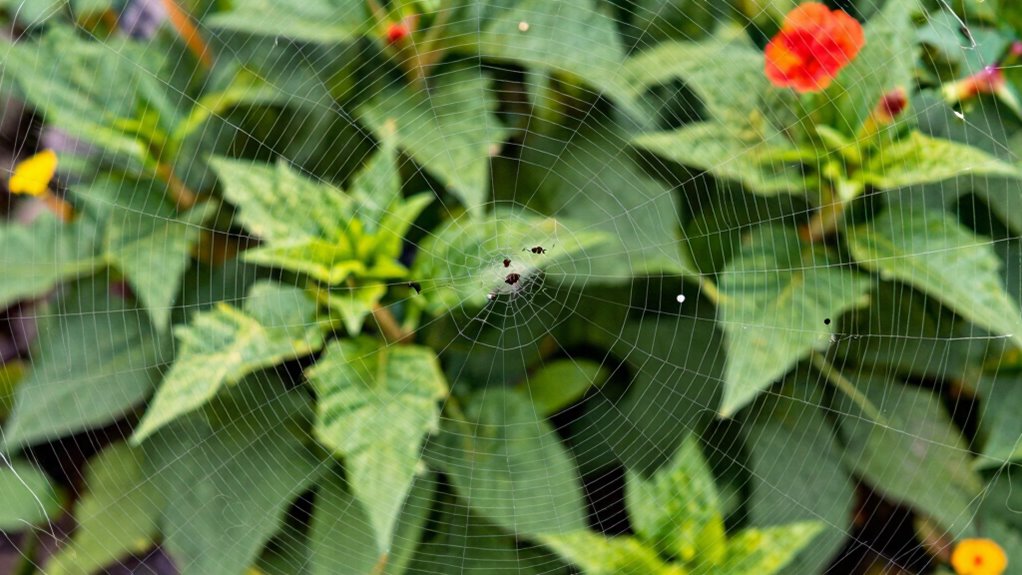
Choosing the right insect screen mesh size is key to keeping pests out while allowing proper airflow and sunlight for your plants. Smaller mesh sizes, like 20-30-mesh, block tiny insects such as gnats and fruit flies, while larger pests like moths need 16-18 mesh screens. Consider the pests in your area and your airflow needs to find the perfect fit. For more tips on selecting and maintaining your screens, there’s plenty to explore.
Key Takeaways
- Select a mesh size between 20-30-mesh to block small insects like gnats and fruit flies effectively.
- Use larger mesh screens (16-18 mesh) for bigger pests such as moths and beetles.
- Proper installation with tight, well-fitted frames ensures pest exclusion without restricting airflow.
- Regularly inspect and repair damages to maintain pest prevention and plant health.
- Choose weather-resistant, UV-protected mesh materials for long-term durability and plant safety.

Ultra Fine Garden Netting, 4'x10' Plant Netting Pest Barrier for Garden Protection Row Cover Raised Bed Screen Mesh Greenhouse Mosquito Net, Protecting Tree Plants Vegetable Flowers Fruits
1. Fortify Your Garden Fortress: Say goodbye to pesky pests and unwanted critters! Our 4'x10' Plant Netting Pest…
As an affiliate, we earn on qualifying purchases.
As an affiliate, we earn on qualifying purchases.
Why Mesh Size Matters for Keeping Bugs Out Without Harming Plants
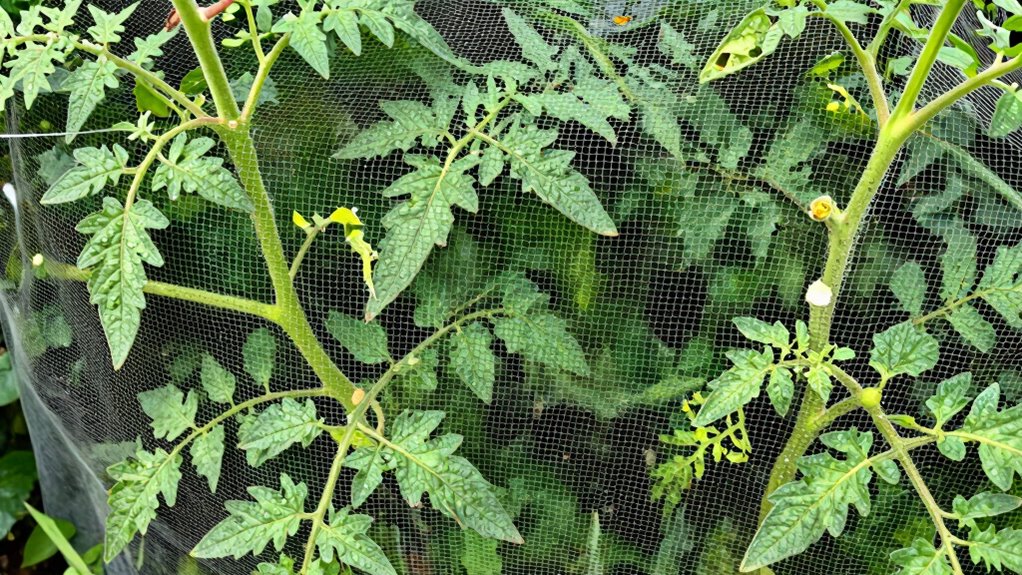
Choosing the right mesh size is essential because it directly impacts how effectively bugs are kept out without harming your plants. A properly sized mesh enhances your garden aesthetics by blending seamlessly with your landscape, avoiding the cluttered look of bulky screens. It also helps control pest control costs by reducing the need for chemical treatments or frequent replacements. Smaller mesh sizes prevent tiny insects from slipping through, safeguarding your plants from damage and disease. Additionally, selecting the appropriate mesh can improve airflow and reduce humidity around your plants, promoting healthier growth. Proper mesh selection also considers the specific pests you aim to deter, ensuring tailored protection. Understanding the different mesh sizes available allows you to choose the most effective option for your specific pest control needs. Using the correct mesh size can also prevent plant overcrowding, which can lead to other health issues for your garden. Furthermore, choosing the right mesh helps maintain long-term durability and reduces the need for frequent repairs. Ultimately, the right mesh size saves you money while maintaining a tidy, attractive garden environment.

30x25Ft Mosquito Bug Insect Bird Fine Mesh Net Barrier Hunting Blind Garden Screen Netting for Protect Your Plant Fruits Flower
Garden netting is perfectly used in garden, yard and farms, widely used in vegetable greenhouses, nurseries, pastures and…
As an affiliate, we earn on qualifying purchases.
As an affiliate, we earn on qualifying purchases.
What Are the Common Mesh Sizes and How Effectively Do They Block Pests?
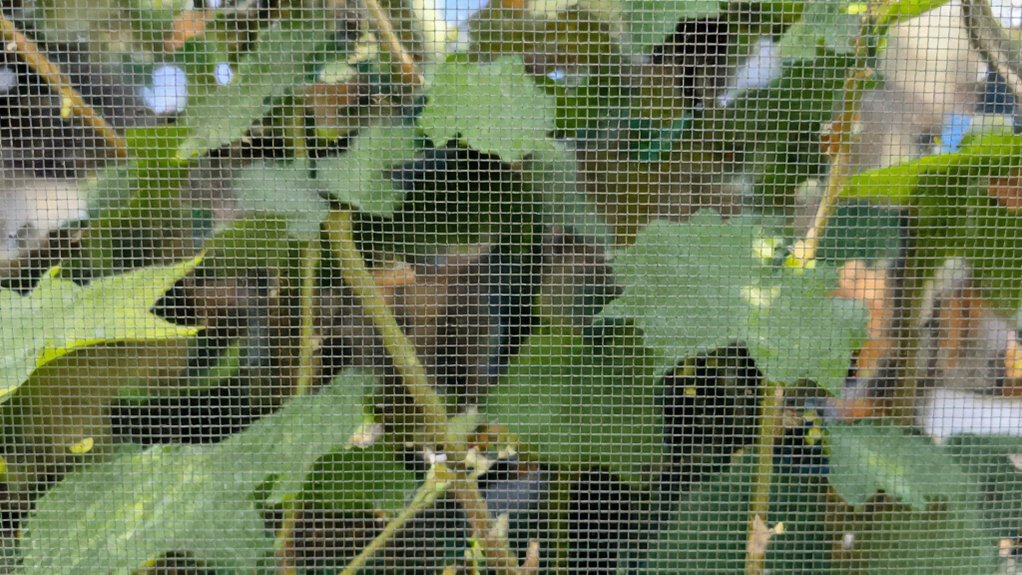
Understanding common mesh sizes helps you choose the right screen for different pests. Smaller mesh sizes block tiny insects like moths and fruit flies more effectively, while larger ones let in fresh air. Picking the correct mesh depends on the pests you’re targeting and your need for airflow. Additionally, choosing a mesh size that balances pest prevention with natural ventilation can enhance your outdoor living experience. A properly selected mesh can also help prevent damage to plants by keeping out larger pests like beetles and caterpillars, while mesh durability ensures long-lasting performance in outdoor conditions. Considering electric bike features such as lightweight design and resistance to weather can further improve the longevity of your screens. Knowing the mesh material can further improve resistance to weather and pests, extending the lifespan of your screens.
Mesh Size and Pest Type
The size of the mesh openings directly impacts how well the screen can keep out different pests. Larger meshes may block bigger garden pests like beetles and larger flies, while smaller mesh sizes target tiny insects such as aphids and thrips. To effectively protect your plants, you need to match the mesh size with the pest type. Remember, a durable mesh not only withstands weather but also maintains its size over time, ensuring ongoing pest protection. Consider these points:
- Choosing the right mesh size depends on the pest size and behavior.
- Smaller mesh sizes improve pest exclusion but may reduce airflow and sunlight.
- Mesh durability is essential for long-term pest control, especially in windy or harsh conditions.
- Selecting a mesh with proper material quality ensures it remains effective and resistant to tearing or deterioration over time. Additionally, understanding mesh size standards can help you select the most appropriate option for your specific needs. It’s also helpful to consider pest behavior patterns to optimize your mesh selection and ensure maximum protection. Being aware of mesh sizing guidelines can further assist in making the best choice for your garden’s unique pest challenges. Furthermore, understanding pest entry points can help you design more effective barriers and improve overall pest management strategies. Matching mesh size to pest type helps keep pests out without harming your plants.
Effectiveness Against Small Pests
Small pests like aphids and thrips can slip through larger mesh openings, so selecting the right mesh size is essential for effective control. Fine mesh screens, typically between 0.2 to 0.6 mm, can block these tiny pests, reducing their chances of reaching your plants. However, no mesh is foolproof; combining physical barriers with biological control methods enhances pest management. Regular pest monitoring helps you catch infestations early and assess if your mesh size is effective. If pests still penetrate, you might need a finer mesh or supplementary strategies. Remember, choosing an appropriate mesh size balances pest exclusion with airflow, ensuring your plants stay healthy without promoting mold or humidity issues. Properly selected mesh, along with vigilant pest monitoring, keeps small pests at bay naturally.
Choosing the Right Mesh
Choosing the right mesh size is essential for effectively blocking pests while maintaining good airflow. When selecting mesh, consider how different sizes impact pest prevention and plant health. Smaller mesh sizes, like 0.2 mm, are excellent for blocking tiny insects such as aphids and whiteflies, but they may restrict airflow and humidity exchange. Larger sizes, like 1 mm, allow better ventilation but might let smaller pests in. The goal is to find a balance that protects your plants without creating a stagnant environment. Remember, a well-chosen mesh promotes healthy growth and prevents pest infestations, ensuring your garden stays thriving. Proper installation and maintenance also play a crucial role in maximizing the mesh’s effectiveness. Smaller mesh enhances pest prevention but may reduce airflow. Larger mesh improves ventilation but risks pest entry. Mesh selection is fundamental to achieving effective pest control while supporting plant health. Additionally, understanding the Smart home technology can help gardeners automate pest monitoring and optimize environmental conditions, making pest prevention more efficient. Being aware of environmental factors that influence pest activity can further improve your overall pest management strategy.

Unves Garden Netting, 10' x 50' Ultra Fine Mesh Bird Netting for Garden, Insect Mosquito Net for Patio Protection, Pests Bugs Plant Covers for Vegetable Plants Fruit Trees Berry Bushes Raised Beds
Premium Quality: Crafted from polyethylene material, our bird netting is built to withstand the test of time; lightweight…
As an affiliate, we earn on qualifying purchases.
As an affiliate, we earn on qualifying purchases.
How to Measure and Choose the Right Mesh Openings for Your Needs
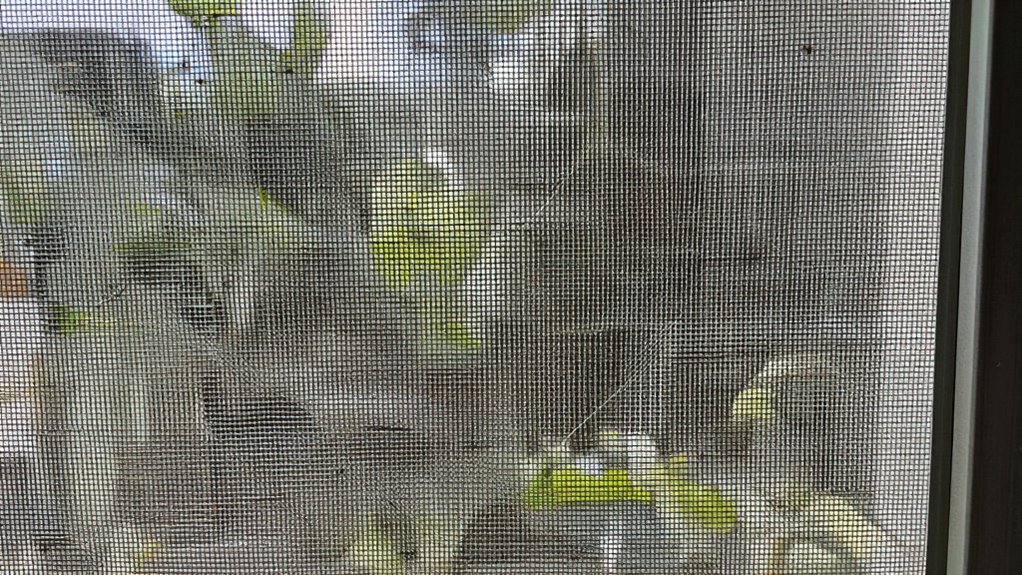
To select the correct mesh openings, start by measuring the size of the pests you’re targeting. Match the mesh size to effectively block those pests while allowing airflow and visibility. Also, consider the material and durability to guarantee your screen lasts in your environment. For example, understanding mesh specifications can help you choose the most effective screen to keep pests out without harming plants.
Measuring Mesh Openings
Wondering how to guarantee you select the right insect screen mesh size? The key is accurately measuring the mesh openings. Use a ruler or caliper to determine the size of the gaps between the wires, ensuring you account for the mesh material’s flexibility. Keep in mind that pest behavior influences the needed size—small insects like gnats require finer mesh, while larger pests can be kept out with bigger openings. When measuring, focus on these points:
- Consistently measure multiple sections to ensure uniformity
- Understand that different mesh materials may stretch or shrink slightly over time
- Match the mesh size to your specific pest’s size and activity patterns
This careful approach helps you pick the perfect mesh, balancing pest exclusion with airflow.
Matching Mesh to Pests
How do you guarantee your insect screen keeps out pests without sacrificing airflow? The key is matching mesh to pests. Different pests require different mesh sizes for effective pest prevention. For example, small insects like gnats and fruit flies need finer mesh, around 20- to 30-mesh, while larger pests like moths or flies can be deterred with 16- or 18-mesh screens. When selecting mesh materials, consider durability and flexibility alongside size. Fine mesh may block tiny pests but can be less durable, so choose a strong, weather-resistant material suited to your environment. Understanding pest sizes and matching them with appropriate mesh openings and materials is essential for effective pest prevention, ensuring you keep pests out without compromising airflow or ventilation. Additionally, knowing the history of pest control can help you select the most appropriate mesh solutions for your needs. Being aware of pest behaviors and entry points can further improve your screen effectiveness and prevent infestations.
Material and Durability
Choosing the right mesh material is essential for balancing durability and flexibility. You need to take into account material variety to select a mesh that withstands weather and daily wear. Durability factors, like UV resistance and tensile strength, directly impact how long your screen lasts. For instance, aluminum screens resist rust, while fiberglass offers flexibility but less strength. When evaluating options, think about your environment and usage frequency. Additionally, understanding heat distribution and material properties can help you select a mesh that maintains performance over time.

Stronger Garden Mesh Netting – 10 x 33 ft PP Nanocomposite Bird Net Barrier, Mosquito Netting Screen for Outdoor Plants Vegetables Patios Balconies Terraces, Shading Rate 33% (Black)
Enhanced Nano-PP Durability: Made with upgraded nanotechnology and high-quality PP material, this garden netting offers superior tear-resistant strength…
As an affiliate, we earn on qualifying purchases.
As an affiliate, we earn on qualifying purchases.
What Factors Should You Consider When Picking Insect Screen Mesh?
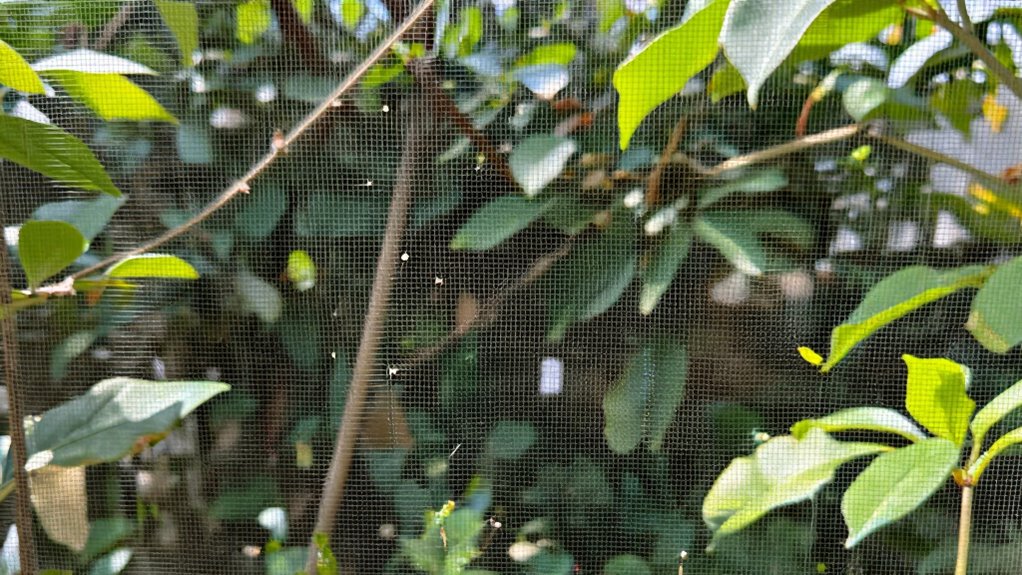
When selecting insect screen mesh, several key factors can influence your choice to guarantee effective protection and durability. First, consider the mesh size; smaller openings prevent garden pests from slipping through, safeguarding your plants. However, if the mesh is too fine, airflow and sunlight may be reduced, impacting plant health. Think about the type of pests you’re targeting—some insects require higher mesh resistance. Durability matters too: choose materials resistant to weathering, UV rays, and tearing to ensure long-lasting protection. Also, consider ease of installation and maintenance—an accessible, robust mesh keeps pests out without compromising plant growth. Balancing these factors ensures your garden stays pest-free while maintaining healthy, thriving plants.
How Do You Install Insect Screens to Maximize Pest Prevention and Airflow?
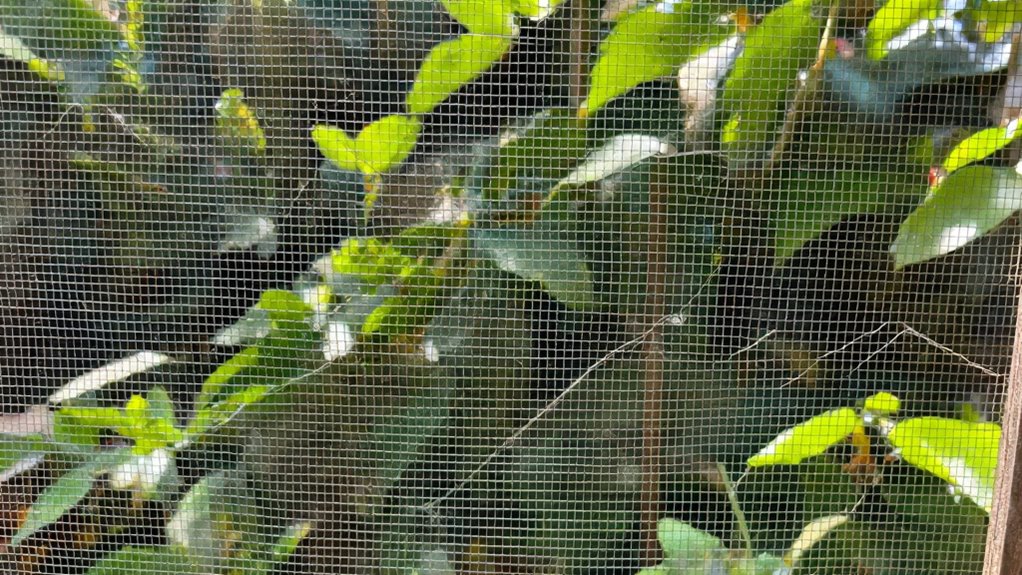
To get the best pest prevention and airflow, you need to install your screens correctly. Focus on securing the frame firmly and maintaining proper mesh tension to prevent gaps. Proper techniques guarantee your screens stay effective and durable over time.
Proper Frame Securing
Ensuring your insect screen is properly secured in its frame is essential for preventing pests while maintaining good airflow. A tight, well-fitted frame stops gaps that pests can exploit and guarantees ideal ventilation. Take time to check the frame for any loose corners and re-secure them with appropriate fasteners. When doing diy planting nearby, secure screens firmly to prevent pests from sneaking in during pest identification or plant maintenance. Proper securing also helps prevent damage from wind or pests trying to push through weak spots. Remember, a loose frame invites pests and restricts airflow, defeating your purpose.
- Use weather-resistant fasteners for durability
- Regularly inspect and tighten frame edges
- Choose the right mesh size to match your pest prevention needs
Mesh Tension Techniques
Achieving proper mesh tension is key to maximizing both pest prevention and airflow in insect screen installation. Start by selecting the right mesh material; stainless steel or fiberglass mesh often provides better durability and pest prevention. When installing, stretch the mesh tightly across the frame, avoiding slack that creates gaps. Use a spline roller to press the spline firmly into the channel, ensuring the mesh stays taut. Keep consistent tension around the entire frame to prevent sagging, which can compromise pest prevention. Proper tension also maintains airflow, preventing airflow restrictions caused by loose or sagging mesh. Regularly check the tension during installation and after completion, adjusting as needed. Well-tensioned mesh ensures pests stay out while airflow remains smooth and unrestricted.
What Are the Pros and Cons of Fine vs. Coarse Mesh Screens?
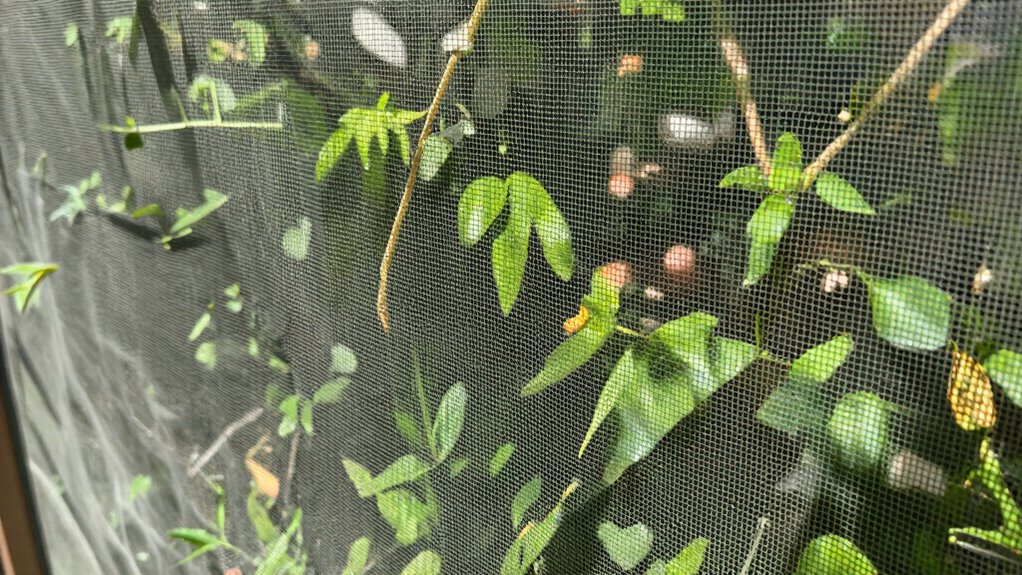
Choosing between fine and coarse mesh screens depends on your specific needs. Fine screens effectively block smaller pests, aligning with insect behavior to keep out tiny insects without sacrificing garden aesthetics. However, they can restrict airflow and reduce visibility, which might make your space feel less open. Coarse screens allow better airflow and a clearer view, making your garden look more inviting, but they may let in smaller pests. The key is balancing pest prevention with comfort and appearance. Consider your local insect activity and how much airflow you want to maintain. Fine mesh suits delicate plants and smaller pests, while coarse mesh is better for ventilation and larger insects. Your choice impacts both the health of your garden and its visual appeal.
How Can You Troubleshoot and Fix Common Mesh Screen Issues?
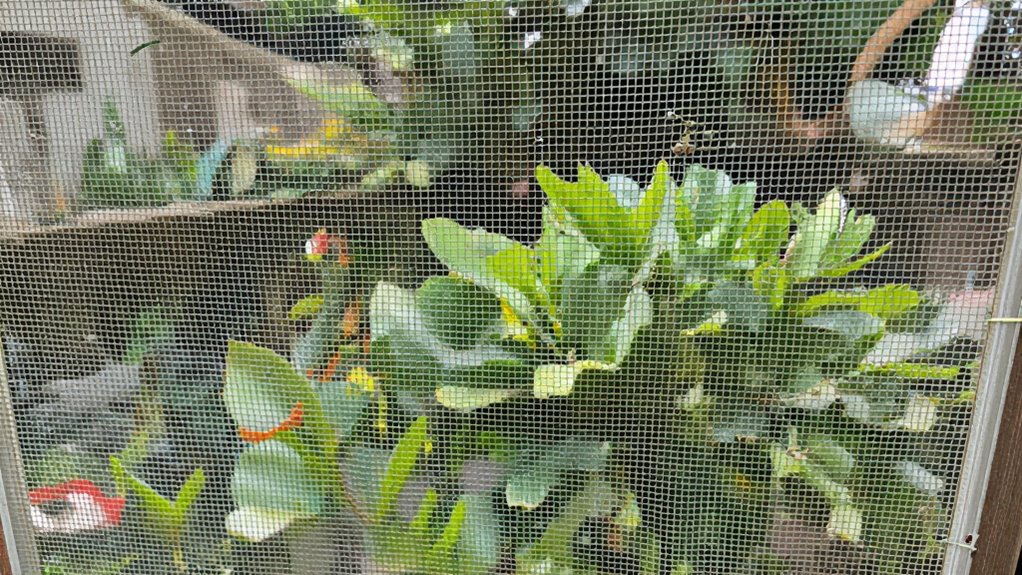
When your insect screen starts to show signs of damage or malfunction, troubleshooting quickly can save you time and prevent pests from sneaking in. Inspect the mesh carefully for tears, holes, or loose edges, which can compromise its ability to block garden pests. Small rips can often be patched with durable repair kits designed for mesh screens, restoring its integrity without replacing the entire panel. If the mesh’s durability is an issue, consider reinforcing weak spots with fine wire or replacing sections with more resilient materials. Properly securing the edges and ensuring the frame fits tightly helps prevent gaps that pests can exploit. Regular checks and prompt repairs keep your mesh effective, prolong its lifespan, and maintain a pest-free environment.
What Are Best Practices for Maintaining and Replacing Your Insect Screen Mesh?
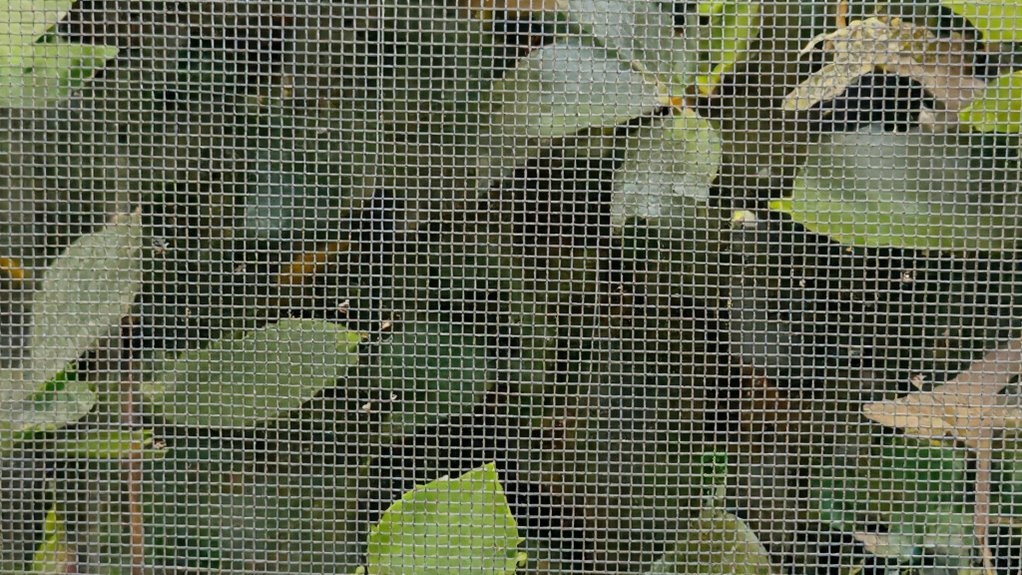
To keep your insect screen in top condition, regular maintenance is essential. Inspect your mesh frequently for tears or holes that could let garden pests in, risking your plant health. Clean the screen gently with a soft brush or water to remove dust and debris that can degrade the material over time. When replacing, choose a mesh size suited to your pest control needs and climate.
- Check for signs of wear and tear regularly to prevent pests from slipping through.
- Use durable materials designed to withstand weather and UV exposure.
- Properly secure and stretch the mesh to avoid gaps that compromise effectiveness.
Maintaining your insect screen ensures ongoing protection for your plants and keeps pests at bay effectively.
How Do Expert Recommendations Help You Select the Ideal Mesh Size?
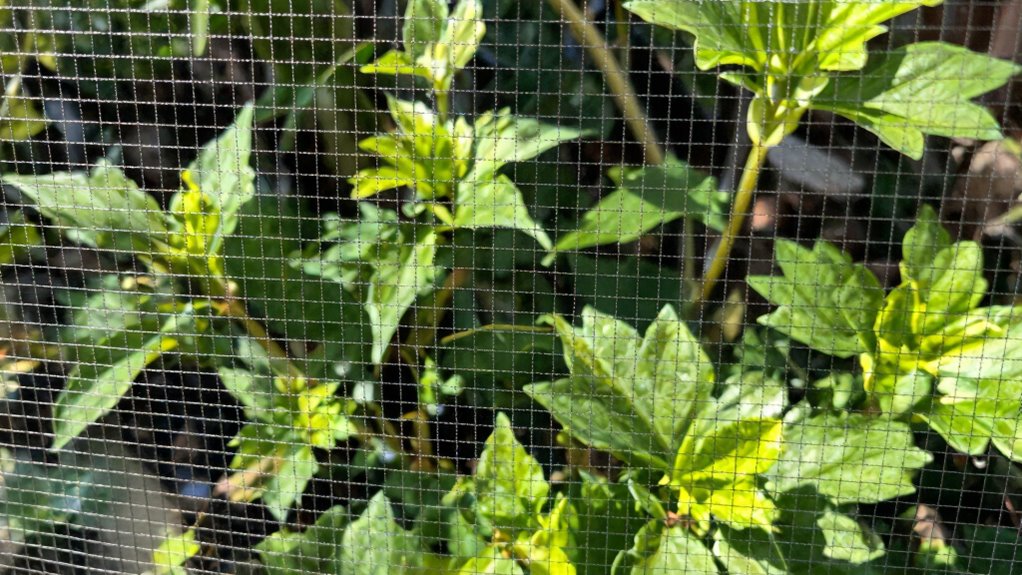
Expert recommendations play a key role in helping you select the right mesh size for your insect screen. They’re based on research and experience, guiding you to block common garden pests effectively while maintaining good airflow. For ideal plant health, experts suggest choosing a mesh size that keeps out tiny insects like aphids and whiteflies without restricting sunlight or ventilation. They consider the types of pests prevalent in your area and the size of their entry points. Following professional advice helps you avoid choosing mesh that’s too coarse, which pests can slip through, or too fine, which might hinder plant growth. Overall, expert recommendations make it easier for you to strike the perfect balance between pest control and healthy plant development.
What Are Simple Steps to Ensure Your Insect Screen Mesh Performs Well Long-Term?
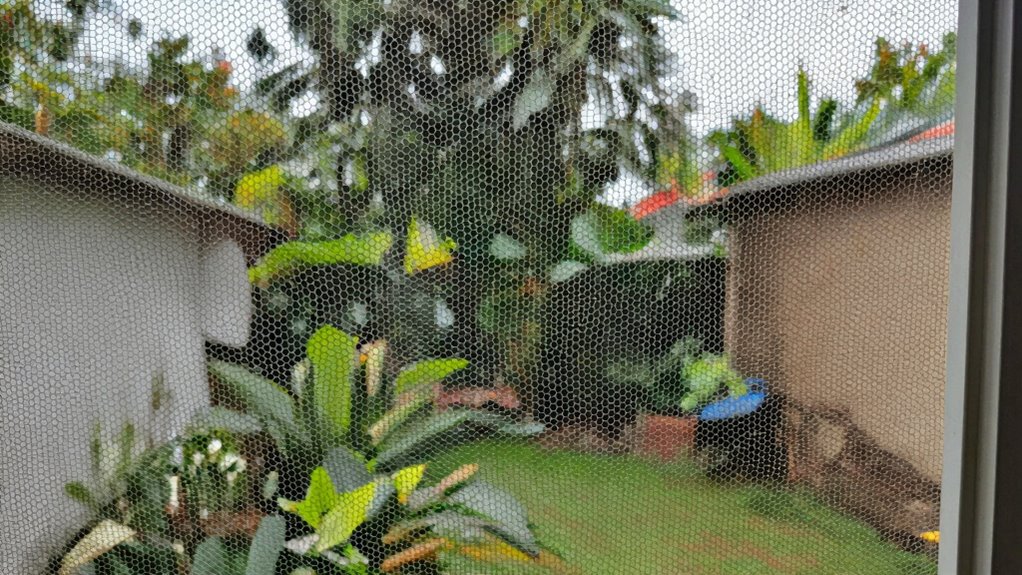
Ensuring your insect screen mesh stays effective over time requires regular maintenance and proper care. To keep it performing well, incorporate simple steps into your pest control strategies. Regularly inspect the mesh for tears or holes, especially after storms or strong winds, and repair damages immediately to prevent pests from sneaking in. When planning your garden design, choose durable materials that resist weathering and UV damage, extending the lifespan of your screens. Keep the area around your screens clean, removing debris that can cause wear. Additionally, avoid stretching or pulling the mesh excessively during installation. These practices help maintain the integrity of your insect screens, ensuring they continue to shield your garden effectively and support long-term pest control.
Frequently Asked Questions
Can Insect Screen Mesh Prevent All Types of Pests?
Insect screen mesh can substantially reduce pest entry, but it might not prevent all types due to pest resistance or tiny species that can slip through small holes. To stay effective, choose a mesh with high durability to withstand weather and pests. Regular inspection and maintenance are essential, ensuring the mesh stays intact and effective. While it’s a great barrier, no screen can guarantee 100% pest exclusion.
Does Mesh Size Affect Plant Growth or Airflow?
Think of your insect screen mesh size as the gatekeeper of your garden. Smaller mesh material can restrict airflow efficiency, making it harder for fresh air to reach your plants. Conversely, larger mesh allows better airflow while still keeping pests out. You need to balance the mesh size to protect your plants without suffocating them, ensuring ideal growth and ventilation. Adjust the mesh to suit your garden’s needs.
How Often Should Insect Screens Be Cleaned or Replaced?
You should clean your insect screens at least once a month to maintain ideal airflow and prevent dust buildup. If you notice tears or damage, replace the screens promptly to preserve their durability and pest protection. Regular cleaning extends the lifespan of your screens and ensures they stay effective. Be gentle during cleaning to avoid damage, and inspect them frequently to catch any issues early.
Are There Eco-Friendly or Non-Toxic Mesh Options Available?
Think of eco-friendly mesh options as a gentle shield for your home. You can find biodegradable materials and chemical-free alternatives that keep pests out without harming the environment. These meshes are safe for you, your family, and your plants, offering a sustainable solution. By choosing non-toxic options, you protect nature’s delicate balance while enjoying pest-free comfort. It’s a win-win for your home and the planet.
Can Mesh Size Be Customized for Specific Pests?
Yes, you can customize mesh size for specific pests by opting for custom mesh or pest-specific screening. You’ll want smaller mesh sizes to block tiny insects like aphids or whiteflies, while larger openings can keep out bigger pests like beetles or flies. Consult with suppliers to guarantee your custom mesh is tailored to your pest issues, providing effective protection without harming your plants.
Conclusion
So, next time you’re tempted to use a giant holey screen, remember, tiny pests will laugh at your “protection.” Pick the right mesh size, install it properly, and maintain it like a boss. Because nothing says “I’ve got this” quite like keeping bugs out without turning your garden into a sauna for them. Stay vigilant, stay clever, and let your screens do the heavy lifting—your plants will thank you (or at least not turn into bug buffets).