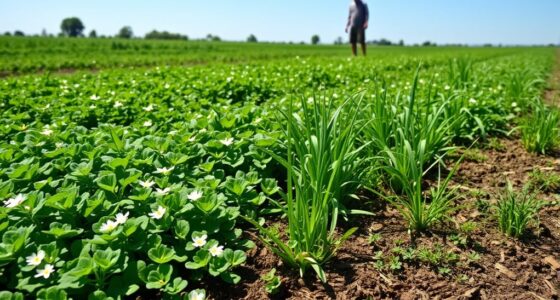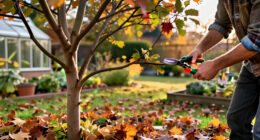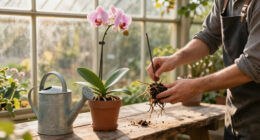
To keep your greenhouse or shed healthy, focus on regular sanitation practices like daily cleaning, removing debris, and disinfecting surfaces and equipment. Manage waste and water drainage carefully to prevent pest breeding grounds. Incorporate pest control measures and ensure proper ventilation to reduce humidity and mold. Consistent cleaning and maintenance help prevent pests, diseases, and mold, supporting robust plant growth. Stay with us to discover more effective sanitation tips that keep your space thriving.

Get garden gear delivered free with Prime
- Fast, free delivery on millions of items
- Prime Video, Amazon Music and more included
- Member-only deals all year
Key Takeaways
- Establish a regular cleaning schedule to remove debris, fallen leaves, and spoiled materials promptly.
- Disinfect floors, surfaces, and equipment periodically to prevent bacterial and fungal growth.
- Manage waste and water drainage effectively to eliminate breeding grounds for pests and fungi.
- Implement integrated pest management alongside sanitation to control pests and prevent infestations.
- Ensure proper ventilation and airflow to reduce humidity, mold, and overall environment contamination.
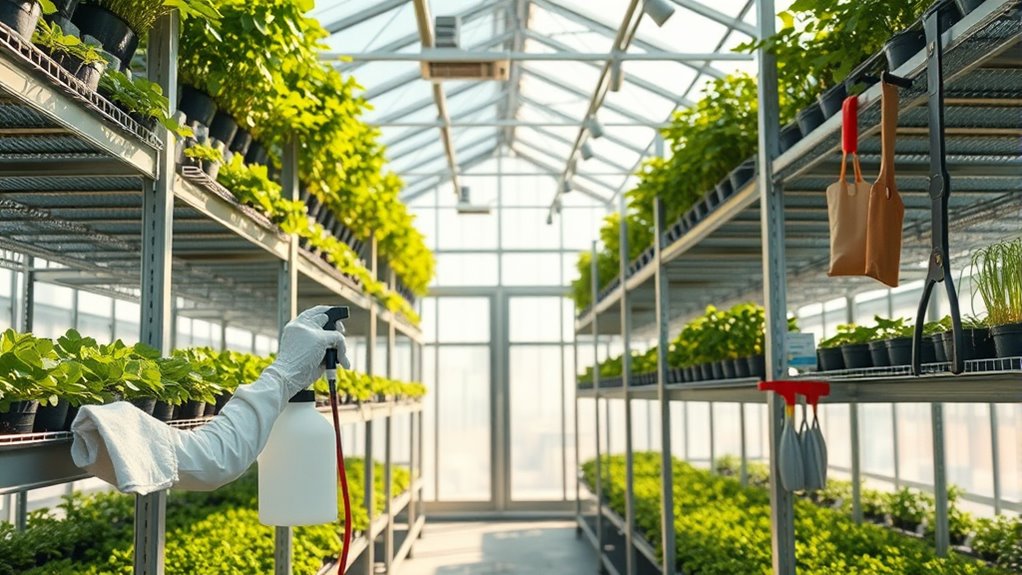
Maintaining proper sanitation in greenhouses and sheds is essential for healthy plant growth and preventing disease. When your space is clean and well-maintained, you reduce the risk of pests, mold, and bacterial infections that can devastate your crops. One of the most effective ways to do this is by establishing a consistent cleaning schedule. Regularly scheduled cleaning ensures that debris, dead plant material, and potential breeding grounds for pests are promptly removed. This proactive approach keeps your environment sanitary and minimizes pest control issues before they escalate.
Consistent sanitation in greenhouses prevents pests and diseases, promoting healthy, thriving plants.
A key part of your cleaning schedule should include daily inspections. Check for any signs of pests, disease, or buildup of dirt and organic matter. Remove fallen leaves, plant debris, and any spoiled plant material immediately. This not only keeps your greenhouse tidy but also prevents pests from finding hiding spots or breeding grounds. Additionally, wiping down surfaces, shelves, and tools regularly prevents the accumulation of dust and pathogens. Remember, pests often thrive in cluttered, dirty environments, so staying on top of cleanliness directly impacts pest control efforts.
It’s also important to implement deep cleaning routines periodically. This involves thoroughly disinfecting floors, benches, and equipment with appropriate cleaning solutions. Not only does this eliminate bacteria and fungi, but it also discourages pest infestations. During deep cleans, consider sanitizing irrigation systems, vents, and other hard-to-reach spaces where pests or disease spores might linger. Keeping a detailed cleaning schedule helps you stay organized, ensuring you don’t overlook these critical tasks.
Beyond routine cleaning, proper waste management plays a significant role in maintaining sanitation. Dispose of plant waste and debris away from your greenhouse or shed to prevent attracting pests. Composting is fine, but ensure it’s done at a distance and managed carefully to avoid pest problems. Also, be mindful of water drainage; standing water can serve as a breeding ground for pests like mosquitoes and fungi. Regularly check and clear any clogged drainage or water accumulation.
In addition to physical cleaning, educating yourself about pest control strategies is essential. Use integrated pest management practices to identify, monitor, and control pests effectively. Combining sanitation with pest control techniques ensures your greenhouse remains a healthy environment for your plants. Incorporating proper ventilation can help reduce humidity levels that foster mold and pests. By sticking to a consistent cleaning schedule, addressing issues promptly, and maintaining overall cleanliness, you create an ideal growing space that resists pests and diseases. In the end, your plants will thrive in a sanitized environment, making your efforts worthwhile.
As an affiliate, we earn on qualifying purchases.
Frequently Asked Questions
How Often Should Greenhouse Sanitation Procedures Be Updated?
You should update your sanitation procedures at least once a year, aligning with your maintenance schedule. Regular reviews guarantee you’re addressing new threats like pests or diseases and adopting improved cleaning techniques. Additionally, after any major event or outbreak, you need to revise your sanitation protocol. Staying proactive helps prevent contamination and keeps your greenhouse environment healthy for plants and workers alike.
What Eco-Friendly Sanitation Products Are Safest for Plants?
You should choose eco-friendly disinfectants and organic cleaning solutions that are safe for plants. Look for products labeled as biodegradable and free from harsh chemicals like chlorine or ammonia. These solutions effectively sanitize without harming your plants or the environment. Always follow the manufacturer’s instructions for safe application, and consider using vinegar or hydrogen peroxide as natural options. This approach keeps your greenhouse clean while protecting your plants and the ecosystem.
How Can Sanitation Prevent Specific Plant Diseases in Greenhouses?
Think of sanitation as a shield that guards your plants against lurking enemies. You can prevent specific plant diseases by practicing strict pathogen control, removing infected debris, and disinfecting tools regularly. These steps create a clean environment, making it harder for pathogens to spread. Consistent sanitation acts as a frontline defense, effectively reducing disease risks and ensuring your greenhouse stays healthy and productive.
What Tools Are Best for Efficient Greenhouse Sanitation?
You should use effective sanitation tools like brushes, scrapers, and disinfectant sprayers to keep your greenhouse clean. Establish regular cleaning schedules to prevent disease buildup, focusing on high-touch surfaces and equipment. Always disinfect tools after use, and consider using steam cleaners for thorough sanitization. These practices guarantee your greenhouse stays healthy, reducing the risk of plant diseases and promoting ideal growth conditions.
Are There Seasonal Sanitation Tips for Greenhouses and Sheds?
As the seasons change, you’ll notice a coincidence: your greenhouse’s health depends on timely seasonal cleaning. In spring, focus on thorough sanitation to prevent pests from overwintering. In summer, keep vents and surfaces dry to reduce mold risk. Fall is perfect for deep cleaning, removing debris, and preparing for winter. Regular seasonal sanitation helps break pest cycles and keeps your greenhouse thriving year-round.
As an affiliate, we earn on qualifying purchases.
Conclusion
Keeping your greenhouse and shed clean is essential for healthy plants and a productive space. Regular sanitation prevents pests, diseases, and mold from taking hold, saving you time and money in the long run. Remember, a tidy workspace isn’t just about looks—it’s the backbone of success. Don’t let things slide; stay on top of cleaning and maintenance. When you keep your environment spotless, you’re setting yourself up for a bumper harvest—because a clean space is a happy space.
As an affiliate, we earn on qualifying purchases.
As an affiliate, we earn on qualifying purchases.
Fall yard work Picks
leaf blowers
As an affiliate, we earn on qualifying purchases.