
In garden beds, you should regularly remove debris, weeds, and fallen leaves to prevent pests and diseases, while practicing crop rotation and mulching to keep soil healthy. For container pots, sterilize tools and pots before reuse, replace potting mix often, and guarantee proper drainage. In orchards, focus on removing fallen fruit, pruning, and managing pests with targeted treatments. Each setting needs specific sanitation steps to keep plants healthy; explore further to learn more about each method.

Get garden gear delivered free — and shop member deals
- Fast, free delivery on millions of items
- Access to Prime Big Deal Days deals on October 6–7
- Prime Video, Amazon Music and more included
Key Takeaways
- Garden beds focus on soil rotation, mulching, and debris removal to prevent pests and diseases in larger planting areas.
- Container pots require sterilization, fresh potting mix, and tool cleaning due to limited soil volume and higher contamination risk.
- Orchards emphasize removal of fallen fruit, pruning debris, and floor management to control pests and maintain tree health.
- Soil and pest management in beds and orchards involve crop rotation and soil amendments, while pots rely on sterilized soil and regular replacement.
- Overall sanitation practices differ in scale and method, adapting to environmental conditions and specific plant maintenance needs.
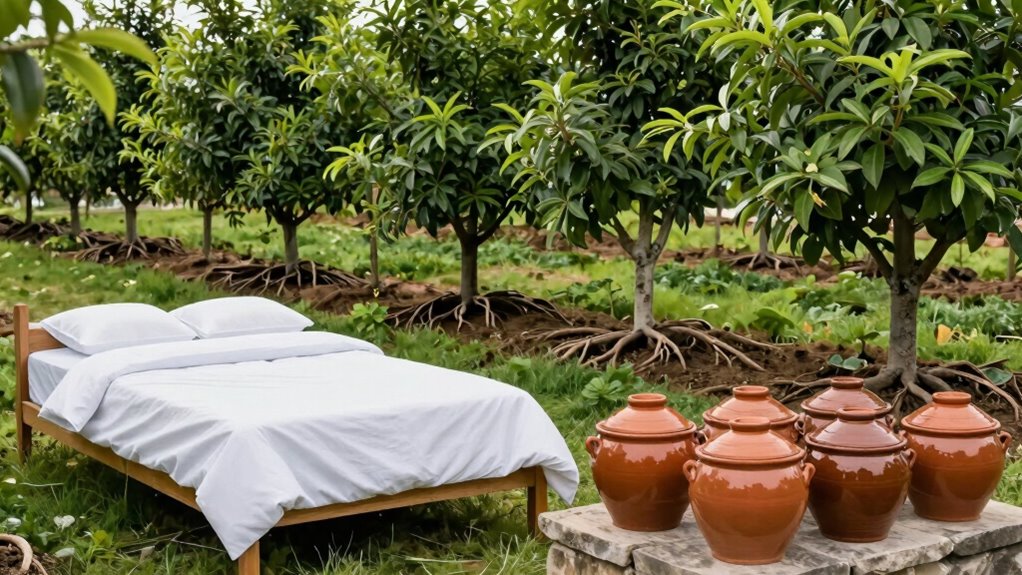
Sanitation practices vary considerably between beds, pots, and orchards, and understanding these differences is fundamental for maintaining healthy plants. Whether you’re dealing with garden beds, container pots, or sprawling orchards, each setting presents unique challenges related to soil contamination and pest management. Recognizing these distinctions helps you implement the most effective sanitation strategies to prevent disease and promote plant vigor.
Understanding the unique sanitation needs of beds, pots, and orchards is key to healthy, pest-free plants.
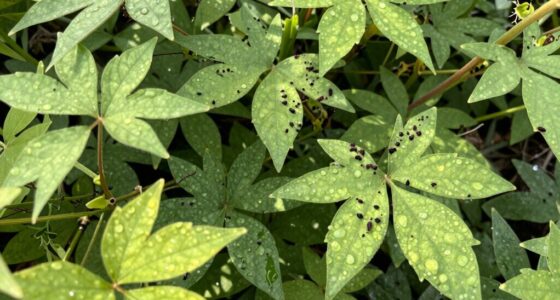
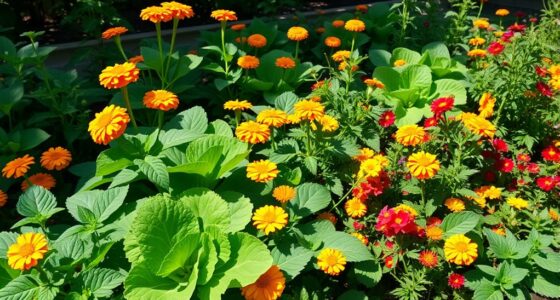
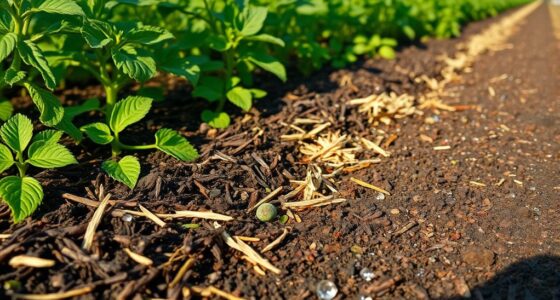
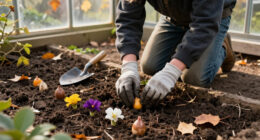
In garden beds, sanitation revolves around maintaining soil health and preventing the buildup of pathogens. You need to regularly remove plant debris, fallen leaves, and weeds that can harbor pests or fungal spores. Rotting organic matter can lead to soil contamination, creating a breeding ground for bacteria and fungi that threaten your plants. To combat this, you might incorporate crop rotation and solarization techniques, which help break pest cycles and sanitize soil naturally. Mulching also plays a crucial role by reducing weed growth and limiting soil exposure, therefore curbing soil contamination risks. Consistent sanitation is essential to prevent pests from finding a hospitable environment, aiding in effective pest management and keeping soil healthy over time. Additionally, maintaining proper soil drainage can help prevent waterlogged conditions that favor disease development. An understanding of soil biology is also beneficial, as healthy soil microbiota can naturally suppress pathogens. This knowledge can guide you in choosing the right amendments to support beneficial microbes and enhance overall soil health.
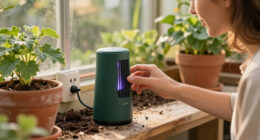
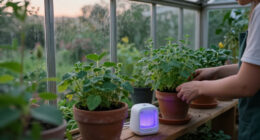
Container pots demand a different approach. Since pots are confined spaces, sanitation must focus on preventing disease spread through contaminated soil or tools. You should sterilize pots before reuse, especially if previous plants showed signs of disease or pests. Regularly replacing or refreshing potting mix minimizes soil contamination, which is critical because pests like fungus gnats or root rot can quickly establish themselves in small, contained environments. Cleaning tools thoroughly after each use prevents cross-contamination, and inspecting plants frequently allows you to catch pest issues early. Proper drainage and avoiding waterlogged soil also limit pest habitats, making sanitation an ongoing process rather than a one-time effort. Using sterilized soil and ensuring good air circulation can further reduce the risk of fungal infections and pest invasions. Implementing a routine for cleaning and disinfecting garden tools can significantly reduce the spread of pathogens between plants.
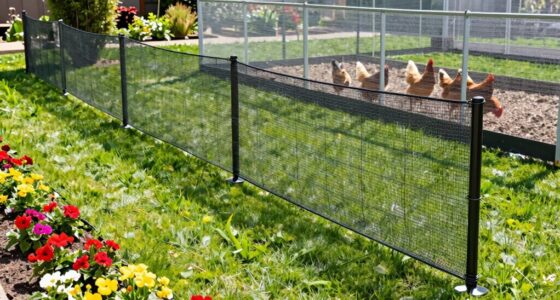
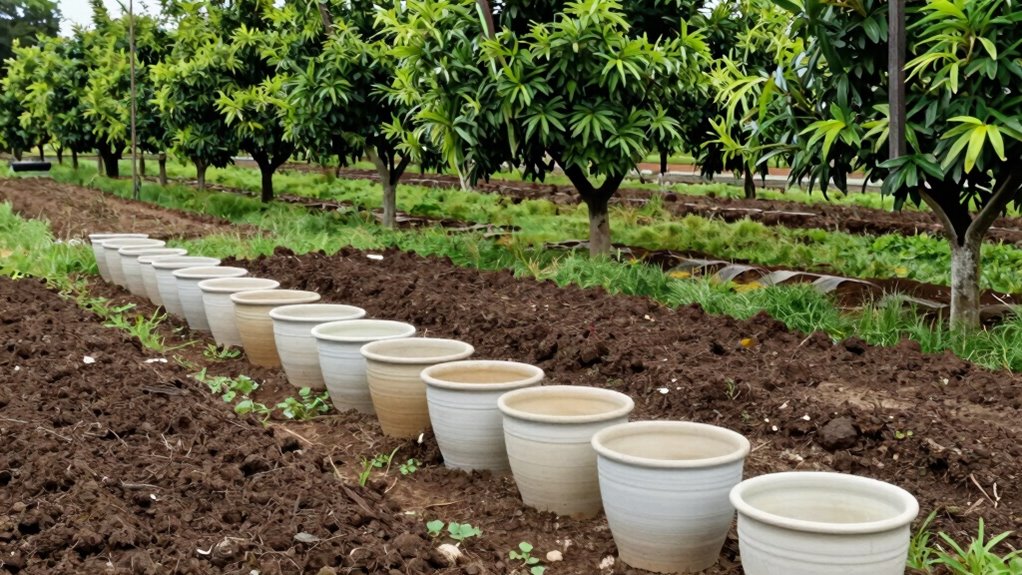
In orchards, sanitation takes on a larger scale. Fallen fruit, pruned branches, and leaf litter are prime sources of soil contamination and pest breeding sites. You need to implement a routine of removing debris and diseased plant parts to reduce pest populations and prevent the spread of pathogens. Regular orchard floor management, such as mowing and mulching, helps keep pests in check and maintains a cleaner environment. Pest management strategies include targeted pesticide use, biological controls, and seasonal sanitation efforts to break pest life cycles. Long-term sanitation in orchards also involves soil testing and amendments to prevent soil-borne diseases, thereby ensuring the roots remain healthy and resilient. Proper sanitation practices, including soil testing, are vital for diagnosing issues and managing soil health effectively in larger settings. Integrating cover crops can also improve soil health and reduce pest habitats over time. Staying vigilant about pest populations and implementing preventative measures can greatly enhance orchard productivity and health.
In each setting, sanitation is indispensable for minimizing soil contamination and managing pests effectively. Your proactive efforts—be it clearing debris, sterilizing tools, or adjusting soil practices—create a healthier environment for your plants to thrive. Understanding these differences allows you to tailor your sanitation routines, giving your plants the best chance at growth and productivity.
As an affiliate, we earn on qualifying purchases.
Frequently Asked Questions
How Often Should Sanitation Practices Be Updated for Each Environment?
You should update sanitation practices regularly, especially after detecting soil contamination or pest issues. In beds, do it monthly or after any disease outbreak. Pots need cleaning after each use or before planting new crops. Orchards require seasonal sanitation, ideally in early spring and fall, to prevent pests and maintain soil health. Consistent updates help prevent pest infestations and keep soil contamination at bay, ensuring healthier plants and better yields.
What Specific Tools Are Best for Sanitizing Beds, Pots, and Orchards?
For sanitizing beds, pots, and orchards, you’ll want to use soil sterilization methods like steam or solarization for beds and orchards, and chemical sterilants for pots. Pair these with effective tool disinfection—using alcohol-based wipes, bleach solutions, or UV sterilizers—to keep tools clean and prevent disease spread. Consistently selecting the right tools and techniques guarantees your environment remains healthy, thriving, and free from harmful pathogens.
Are There Eco-Friendly Sanitation Methods Suitable for All Three Environments?
Yes, eco-friendly sanitation methods suit all three environments. You can use natural alternatives like neem oil or vinegar solutions to disinfect beds, pots, and orchards effectively. Composting techniques also help manage plant debris and pathogens sustainably, enriching your soil while reducing waste. These methods are safe, eco-conscious, and effective, allowing you to maintain healthy growing spaces without relying on harsh chemicals, protecting your environment and your plants.
How Do Sanitation Requirements Change With Different Plant Species?
Like Pandora’s box, different plant species open unique sanitation challenges. You need to tailor your approach because some plants are more susceptible to plant pathogen spread, risking soil contamination. For delicate herbs, rigorous sanitation prevents disease transfer, while hardy fruit trees might require less frequent efforts. Recognize each plant’s specific needs, adjusting your sanitation practices accordingly, to prevent the spread of plant pathogens and protect your soil’s health.
What Are the Common Mistakes to Avoid in Sanitation Procedures?
To avoid common mistakes in sanitation procedures, you should always thoroughly clean and disinfect equipment after each use to prevent contamination. Don’t skip steps or rush, as this increases cross contamination risks. Make sure to use appropriate cleaning agents for different surfaces, and regularly inspect tools for cleanliness. Neglecting these steps can lead to contamination spread, jeopardizing plant health and yield. Proper, consistent sanitation is key to effective contamination prevention.
container potting mix replacement
As an affiliate, we earn on qualifying purchases.
As an affiliate, we earn on qualifying purchases.
Conclusion
Understanding how sanitation differs between beds, pots, and orchards helps you manage pests and diseases effectively. For instance, cleaning pots reduces disease spread by up to 80%, highlighting its importance. Remember, maintaining proper sanitation not only boosts plant health but also increases yields. Whether you’re working with small pots or large orchards, staying vigilant and keeping your space clean is your best defense against common problems. So, prioritize sanitation to guarantee healthier, more productive plants.
As an affiliate, we earn on qualifying purchases.
As an affiliate, we earn on qualifying purchases.
Fall yard work Picks
leaf blowers
As an affiliate, we earn on qualifying purchases.