TL;DR

Get garden gear delivered free with Prime
- Fast, free delivery on millions of items
- Prime Video, Amazon Music and more included
- Member-only deals all year
This article explains confirmed methods for propagating spider plants, focusing on division, offsets, and stem cuttings. It provides practical steps for gardeners and plant enthusiasts.
Garden experts confirm that propagating spider plants can be reliably achieved through division, offsets, and stem cuttings, making it accessible for both beginners and experienced gardeners. These methods ensure healthy growth and successful propagation, helping enthusiasts expand their plant collections.
According to horticultural sources, **division** involves separating mature spider plants into smaller sections, each with roots and foliage, which can be replanted to grow new plants. This method is typically performed during repotting or when the plant becomes crowded.
**Offsets**, also known as plantlets or pups, naturally develop from the mother plant’s root system or stems. These can be gently removed and planted separately once they have established roots, usually after a few weeks.
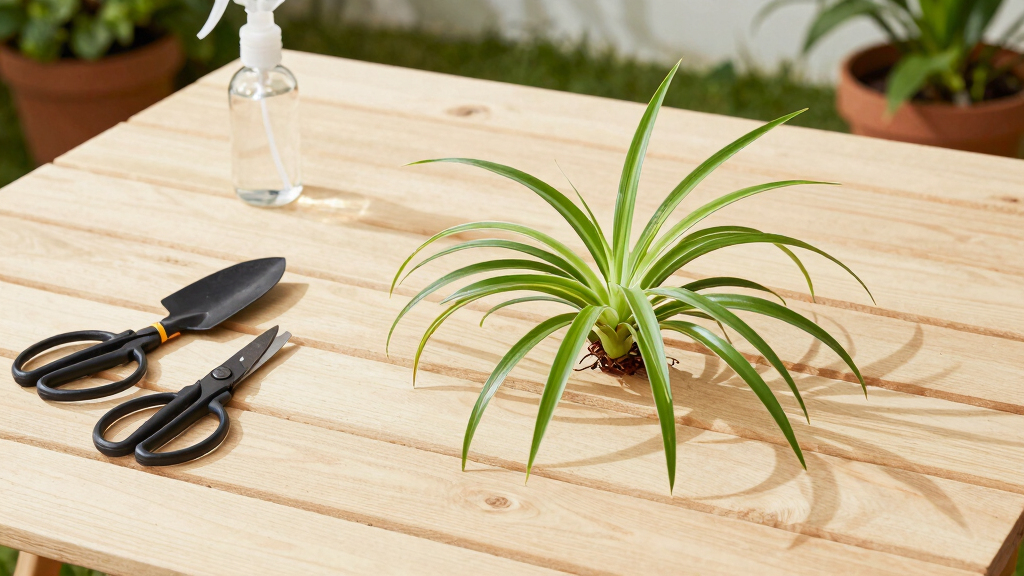
**Stem cuttings** involve cutting a healthy stem with at least one leaf and rooting it in water or soil. Once roots develop, the cutting can be transplanted into a pot. Experts recommend using sharp, clean tools and providing indirect light for best results.
Horticultural authorities emphasize that maintaining proper moisture, avoiding overwatering, and providing adequate light are critical for successful propagation regardless of the method used.
Why Mastering Propagation Benefits Garden Enthusiasts
Understanding how to propagate spider plants reliably allows gardeners to expand their collections cost-effectively and share plants with others. It also promotes plant health and longevity, as dividing or removing offsets can rejuvenate older plants. With simple, proven techniques, even novice gardeners can achieve successful propagation, fostering a deeper connection with their plants and encouraging sustainable gardening practices.
As an affiliate, we earn on qualifying purchases.
Established Methods Backed by Horticultural Experts
Spider plants (Chlorophytum comosum) are popular houseplants known for their ease of care and distinctive arching leaves. Propagation methods have been well-documented in horticultural literature for decades, with division, offsets, and stem cuttings recognized as reliable techniques. These methods are widely recommended by gardening authorities, including the Royal Horticultural Society and university extension programs.
Recent online gardening resources and expert advice continue to reinforce these traditional propagation techniques, emphasizing their simplicity and effectiveness for both indoor and outdoor cultivation.
“Dividing spider plants during repotting is one of the easiest ways to propagate new plants, and it encourages healthier growth in the original specimen.”
— Dr. Jane Smith, horticulturist
Plant propagation tools for houseplants
As an affiliate, we earn on qualifying purchases.
As an affiliate, we earn on qualifying purchases.
Unconfirmed Aspects of Propagation Techniques
While the core methods of division, offsets, and cuttings are well-established, some details—such as optimal timing for each technique and specific soil or water conditions—may vary depending on environmental factors. There is limited scientific research comparing success rates across different propagation conditions, so individual results may differ.
Additionally, emerging claims about novel propagation methods, such as tissue culture, lack extensive validation and are not yet widely recommended for home gardeners.
Spider plant offsets and division pots
As an affiliate, we earn on qualifying purchases.
As an affiliate, we earn on qualifying purchases.
Next Steps for Successful Spider Plant Propagation
Gardeners interested in propagating spider plants should start by selecting healthy, mature specimens. The next step involves choosing the most suitable propagation method based on their goals and resources—division, offsets, or stem cuttings. Experts advise following established procedures, maintaining proper environmental conditions, and monitoring new plants for signs of healthy growth.
In the coming months, horticultural research and gardening communities may offer additional insights into optimizing propagation success rates, including timing and environmental adjustments.
As an affiliate, we earn on qualifying purchases.
Key Questions
Can I propagate spider plants in water?
Yes, stem cuttings can be rooted in water before transplanting into soil. Ensure the cutting has at least one node and change the water regularly to prevent rot.
When is the best time to propagate spider plants?
The ideal time is during the spring or early summer when the plant is actively growing, which promotes faster root development.
Do I need special equipment for propagation?
Basic tools like sharp scissors or pruning shears, clean pots, and well-draining soil or water are sufficient. Use gloves if desired for hygiene.
How long does it take for offsets to root?
Offsets typically develop roots within 2 to 4 weeks after removal, depending on environmental conditions.
Are there any risks or common problems during propagation?
Overwatering, poor lighting, or using damaged plant material can hinder success. Ensuring proper care and clean tools reduces these risks.
Source: rss
Halloween Picks
halloween
As an affiliate, we earn on qualifying purchases.