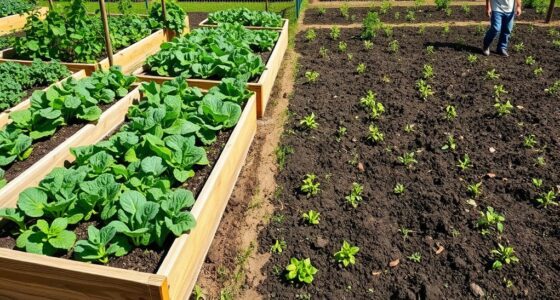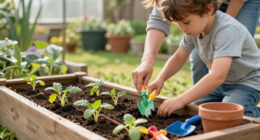
To choose the right cell size for your seedlings, consider the plant’s growth stage, root space needs, and water retention habits. Smaller cells are better for early sprouting but require frequent watering, while larger cells support stronger root systems and hold moisture longer. Match the cell size to your plant type and environment to prevent transplant shock and promote healthy growth. Keep in mind, selecting the best size can make all the difference—there’s more to discover as you continue exploring.

Get garden gear delivered free — and shop member deals
- Fast, free delivery on millions of items
- Access to Prime Big Deal Days deals on October 6–7
- Prime Video, Amazon Music and more included
Key Takeaways
- Match cell size to the seedling’s growth stage, using smaller cells for initial sprouting and larger ones for mature roots.
- Consider water retention needs; larger cells retain moisture longer, reducing watering frequency.
- Ensure sufficient space for root development to prevent root binding and promote healthy growth.
- Adjust cell size based on environmental conditions, such as dryness or humidity, to optimize watering.
- Balance cell size with plant type and transplant plans to minimize shock and support nutrient uptake.
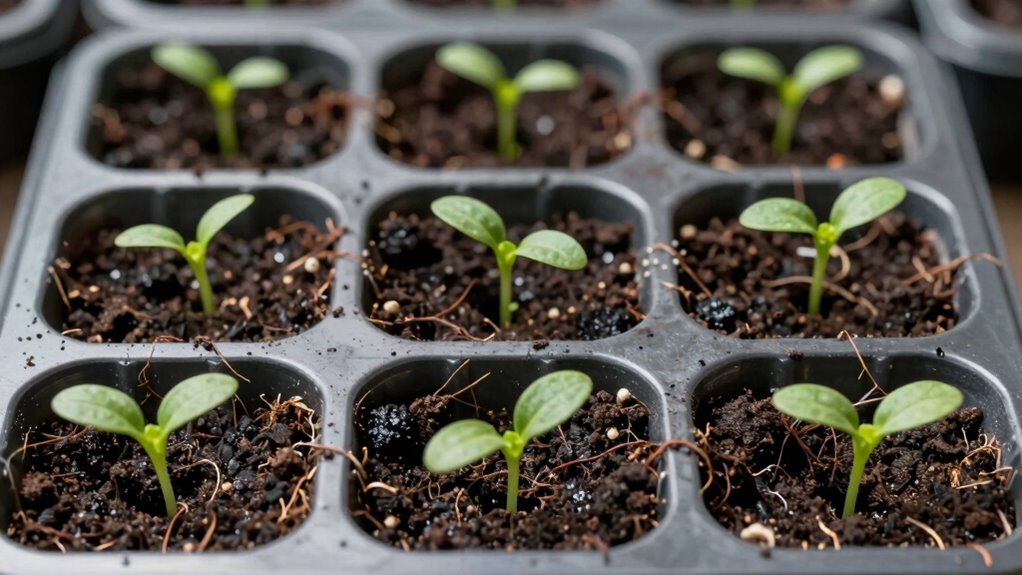
Have you ever wondered how the size of your seedling cells can impact their growth? It’s a vital factor that influences how well your seedlings develop, especially when it comes to root development and water retention. Choosing the right cell size isn’t just about filling space; it’s about creating an environment that promotes healthy growth from the moment you plant your seeds. Small cells might seem convenient, but they can restrict root growth, leading to cramped roots that struggle to expand. Conversely, larger cells give roots room to breathe, encouraging strong, extensive root systems that anchor plants better and absorb nutrients more efficiently.
Choosing the right seedling cell size promotes healthy root growth and optimal water retention.
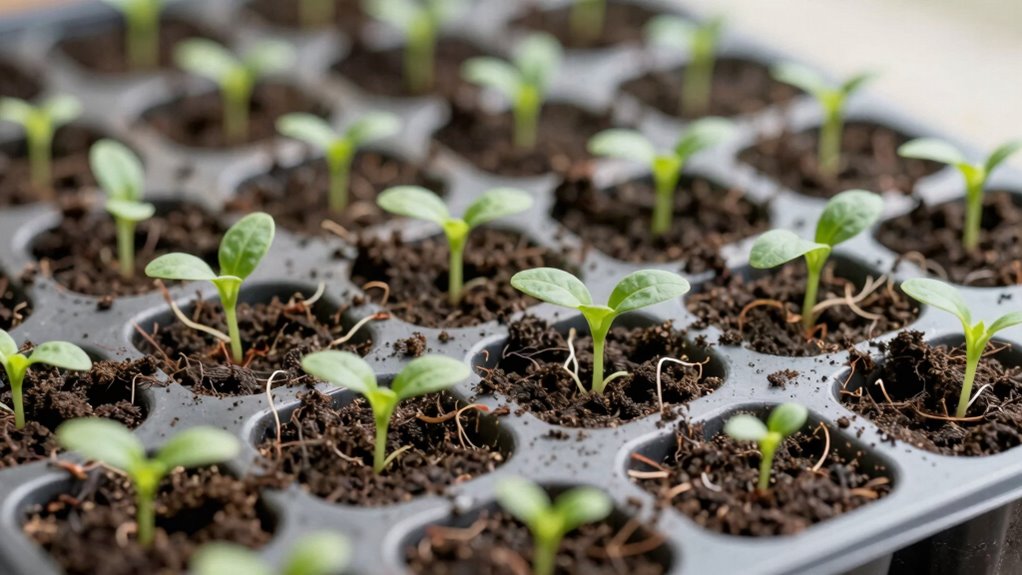
When selecting cell sizes, consider the stage of growth your seedlings are in. For very young seedlings, smaller cells can be effective because they contain just enough soil to support initial sprouting without overwhelming the tiny roots. These smaller containers also tend to dry out more quickly, which means you’ll need to monitor watering carefully. Proper water management is essential here because water retention varies with cell size. Larger cells hold more moisture, reducing the frequency of watering but also increasing the risk of overwatering or root rot if you’re not attentive. Smaller cells, with their limited volume, tend to dry out faster, so you need to water more frequently but with less volume each time.
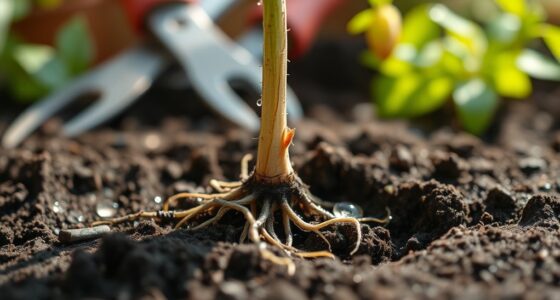
Root development is directly impacted by cell size because it determines how freely roots can grow without becoming tangled or restricted. If your cells are too small, roots might become root-bound quickly, stunting overall growth and making transplanting more stressful. On the other hand, larger cells allow roots to spread out naturally, developing a robust network that supports stronger plants. Think about the kind of plant you’re growing: fast-growing seedlings will benefit from larger cells that accommodate rapid root expansion, while slower growers may do well in smaller containers for longer periods. Proper cell size selection can also influence the overall health of your seedlings, especially during the critical early stages of growth.
Additionally, properly choosing cell size can help prevent transplant shock by giving roots adequate space to develop before transplanting. Being aware of root growth patterns can further aid in selecting the most suitable cell size for your seedlings. Recognizing how different cell sizes influence nutrient uptake can also guide you in optimizing seedling health, ensuring they develop a strong foundation for future growth. Water retention also ties into this decision. Larger cells retain moisture longer, which can be beneficial during dry spells, but they also demand careful watering to avoid drowning roots. Smaller cells, drying out faster, require diligent watering but can help prevent overwatering issues. Additionally, understanding the relationship between cell size and root development is crucial for optimizing seedling health. The key is to strike a balance based on your watering routine, the type of plant, and your environment. Ultimately, understanding how cell size influences root development and water retention helps you give your seedlings the best start possible, ensuring they grow strong, healthy, and ready for transplanting.
As an affiliate, we earn on qualifying purchases.
Frequently Asked Questions
How Does Seed Type Influence Cell Size Selection?
Seed type influences cell size selection because different seeds have specific needs for space, affecting seed compatibility and germination rate. Larger seeds, like pumpkins, require bigger cells to support robust root development, while smaller seeds, like lettuce, thrive in smaller cells. You should match cell size to seed type to optimize germination rate and guarantee healthy seedling growth, giving each plant the best start in the right-sized environment.
Can You Reuse Seedling Cells for Different Crops?
Did you know that reusable seed trays can last up to five years? Yes, you can reuse seedling cells for different crops, but it depends on seedling cell durability. If your trays are sturdy and easy to clean, you can switch crops without issues. Just verify the cells are free of disease and debris to prevent cross-contamination, making your reusable seed trays a cost-effective, eco-friendly choice for your gardening needs.
How Does Climate Affect Cell Size Choice?
Climate markedly influences your cell size choice, especially for climate adaptation and temperature considerations. In cooler climates, larger cells help seedlings develop stronger roots before transplanting, while smaller cells warm up faster, aiding quicker growth in warmer areas. You need to select cell sizes based on your local temperature patterns, ensuring your seedlings have enough room to grow robustly without overstressing them in extreme weather conditions.
What Are the Signs of Overcrowded Seedlings?
Ironically, overcrowded seedlings are easy to spot—they’re packed too tight! You’ll notice poor seedling spacing, with seedlings competing for light and resources. Signs include leggy, weak stems, and stunted root development, as roots tangle and struggle for space. If your seedlings seem to be stretching and their roots look cramped, it’s a clear sign they’re overcrowded. Give them more room to thrive and develop strong roots.
Is There a Universal Cell Size for All Vegetables?
There isn’t a universal cell size for all vegetables because root development and pest resistance needs vary. Smaller cells, around 1-2 inches, work well for herbs and leafy greens, promoting healthy root growth and pest resistance. Larger cells, 3-4 inches, suit vegetables like tomatoes and peppers that have bigger roots. Always consider your specific vegetable’s growth habits to choose the right cell size, ensuring strong roots and healthy seedlings.
plant propagation seedling containers
As an affiliate, we earn on qualifying purchases.
As an affiliate, we earn on qualifying purchases.
Conclusion
Choosing the right cell size for your seedlings is like giving them the golden ticket to grow into towering, healthy plants. If you pick too small, they’ll cramped and stunted, like trying to fit an elephant in a shoebox. Too big, and they’ll drown in unnecessary space. Get it just right, and you’ll watch your seedlings flourish into giants, transforming your garden into a lush paradise that leaves everyone in awe. Your green thumb has never been more powerful!
seed starting trays with individual cells
As an affiliate, we earn on qualifying purchases.
As an affiliate, we earn on qualifying purchases.
As an affiliate, we earn on qualifying purchases.
Fall yard work Picks
leaf blowers
As an affiliate, we earn on qualifying purchases.