TL;DR

Get garden gear delivered free with Prime
- Fast, free delivery on millions of items
- Prime Video, Amazon Music and more included
- Member-only deals all year
Gardening Know How has outlined six ways to reuse Halloween pumpkins in the yard, led by chopping them for compost and saving seeds from mature, healthy fruit. The report says pumpkins should be clean and free of paint, glitter, wax and other contaminants before reuse; it also cautions that saved seeds may not grow true to type.
Gardening Know How has published six suggestions for reusing Halloween pumpkins in the yard, including chopping them for compost and saving seeds for planting. The advice is aimed at gardeners looking to keep usable pumpkin material out of the trash, but the report says fruit must be clean and free of contaminants before it is used.
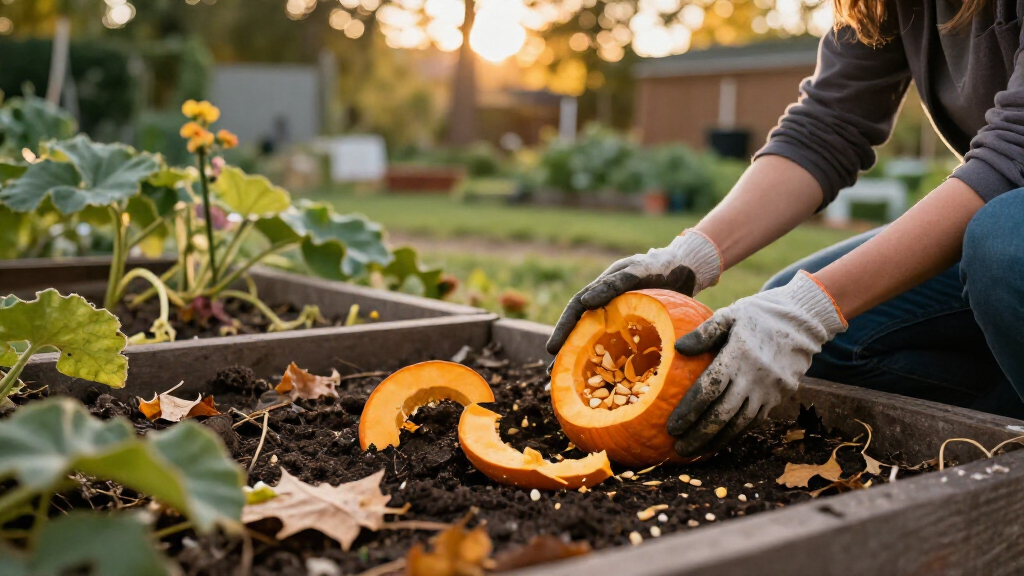
The report’s first method is to break pumpkins into fist-sized pieces before adding them to a compost heap. It says an intact rind can slow decomposition and recommends mixing each bucket of chopped pumpkin with two buckets of dry, carbon-rich material, such as shredded leaves, straw or torn cardboard. The pile should be turned occasionally to maintain airflow.
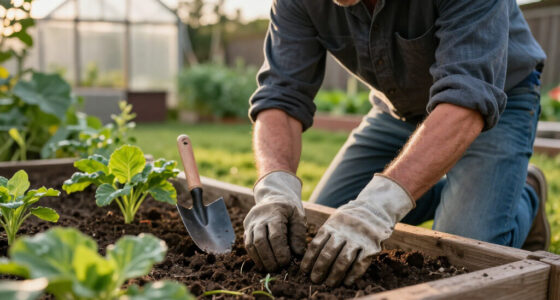
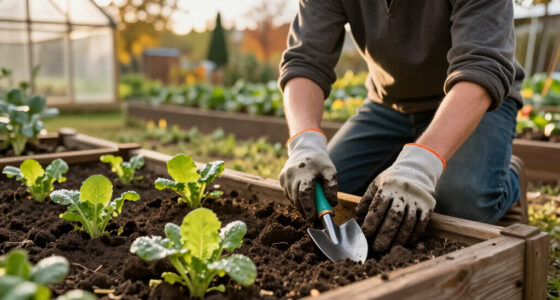
For gardeners without room in a compost heap, the article describes trench composting: placing chopped pumpkin in a trench in a vegetable bed and covering it with soil. It recommends a depth of 18 to 24 inches, followed by 12 inches of clean soil. The source estimates that pumpkin may break down in two to three months in loose, well-drained soil, while heavy clay can take much longer.
A second option is to save seeds from mature pumpkins with vibrant color and firm rinds. The report advises rinsing away pulp, drying seeds in a warm, ventilated place out of direct sunlight for two to three weeks, then storing them in labeled paper envelopes in a cool, dark location. It warns that carving pumpkins are often hybrids and that cross-pollination can make next year’s plants unpredictable.
Keeping Pumpkin Matter in the Garden
Reusing a sound pumpkin can return its organic material to garden soil rather than sending it out with household waste. The report notes that pumpkin flesh contains substantial water and advises pairing it with dry material when composting, a practical distinction that can help gardeners avoid a wet, poorly aerated pile. The value is local and straightforward: composting keeps nutrients on site, while seed saving may offer a way to grow pumpkins again.
These options are not suitable for every pumpkin. Halloween decorations may have been painted, sealed or covered in glitter, while carved fruit may contain candle wax or other items. Removing those materials matters because the article’s recommendations depend on using uncontaminated plant material. Seed saving also comes with limits: the resulting fruit may differ from the parent pumpkin, especially if it was a hybrid or grew near other squash varieties.
Products Worth Considering

Orbit B-hyve Smart Indoor/Outdoor 12-Zone Sprinkler Controller

Greenworks 60V Cordless Leaf Blower with 2.5 Ah Battery and Charger

VEVOR Walk-In Tunnel Greenhouse with Watering System, 15 x 7 x 7 ft
As an affiliate, we earn on qualifying purchases.
Sorting Pumpkins Before Reuse
The report frames its advice around the days after Halloween, when households commonly dispose of carved pumpkins. It says even a carved pumpkin can be reused if it has not been painted or coated and is otherwise suitable. Before using one, gardeners should remove burnt candle stubs, melted wax and battery-powered lights. Sections covered in craft paint, glitter, chemical sealant or fake snow should be cut away and discarded rather than added to compost or used for other yard projects.
The source also notes that pumpkin type affects how readily it can be cut and how long it holds its shape. It describes common carving varieties such as Howden and Jack O’ Lantern as relatively easy to slice, while denser heirloom varieties have firmer rinds. It says local weather affects decomposition: warmer conditions can speed spoilage, while colder conditions can preserve fruit longer before freeze-thaw cycles break it down.
Limits of the Published Advice
The supplied report excerpt gives details for composting and seed saving, then begins a third section about turning a pumpkin into a bird feeder before ending mid-sentence. It does not provide the remaining steps or identify all six uses in the material available here. Those missing suggestions cannot be described as confirmed details from the supplied source.
The source also does not give a publication date or cite research behind its landfill greenhouse-gas statement or its decomposition estimates. Results can depend on pumpkin condition, soil, weather and compost management. Its seed-saving warning is clear, but it does not identify the variety of any reader’s pumpkin or predict what a saved seed will produce.
Check the Fruit Before Use
Gardeners considering the suggestions can first inspect each pumpkin and remove decorations, wax, lights and any treated sections. For compost, the source recommends chopping the fruit, adding dry browns and turning the pile occasionally; for trench composting, it advises covering the material deeply enough to reduce the chance that animals will dig it up. Anyone saving seeds can label them with the pumpkin variety and date, while treating the future crop as potentially different from the parent.
The supplied source does not specify a next publication or follow-up date for its remaining recommendations. More of the six methods would need to be available before the complete list can be reported.
Key Questions
Can I compost a whole Halloween pumpkin?
The report advises chopping it first. It says an intact rind may remain largely intact for a long time, while smaller pieces expose the flesh to soil organisms.
What should I mix with pumpkin in a compost pile?
The article recommends about two buckets of dry browns per bucket of chopped pumpkin, including shredded leaves, straw or torn cardboard. It also advises turning the pile occasionally.
Can I save seeds from a carving pumpkin?
Yes, if it is mature and healthy, but the source cautions that many carving pumpkins are hybrids. Seeds may not produce fruit that matches the original, and nearby squash can cross-pollinate.
Should painted or glitter-covered pumpkins go in the garden?
The report says to remove and discard treated sections. It also advises removing candle wax, burnt candle stubs and battery-powered lights before reusing a pumpkin.
Source: gardeningknowhow.com