TL;DR

Get garden gear delivered free with Prime
- Fast, free delivery on millions of items
- Prime Video, Amazon Music and more included
- Member-only deals all year
A Country Living gardening report recommends three preparations before planting a fall garden: remove finished annuals and roots, loosen and assess the soil, and work in compost. It also advises against routine fall pruning, which horticulture educator Nancy Kuhajda says can prompt vulnerable new growth before a cold snap.
Country Living’s fall garden guide recommends clearing out spent annuals, loosening and checking the soil, and adding compost before planting. The report also advises gardeners to skip routine fall pruning, citing University of Illinois Extension horticulture educator Nancy Kuhajda, who says pruning can encourage growth that may be damaged by a cold snap.
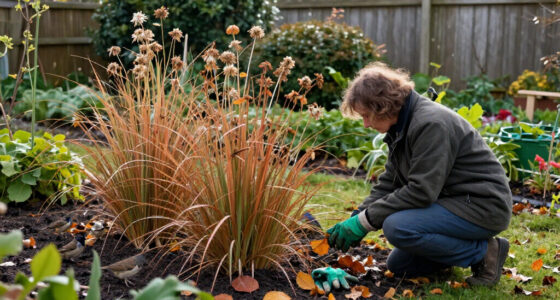
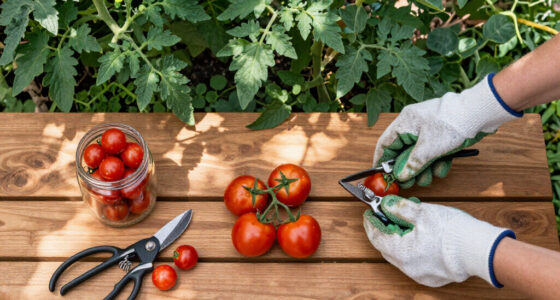
The first suggested step is to remove dead or faded annuals, digging out the whole plant, including its roots. Perennials that remain active can be trimmed if needed, but the report says gardeners should consider leaving seedheads on dormant plants. Kuhajda says those seedheads and berries can provide winter food for birds and other wildlife. Gardeners who want to limit self-seeding can cut flower heads with a sharp pruning tool.
The second step is to pull weeds and break up dry, compacted soil with a shovel. The guide also recommends a soil test for gardeners who have not had one in several years or have never tested their soil. Test results can show which nutrients are lacking and help inform fertilizer choices; the source does not prescribe a particular fertilizer or application rate.
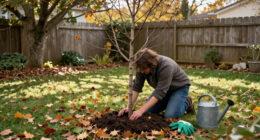
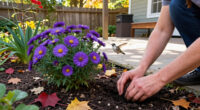
Third, the report suggests mixing compost or manure into the top layer of soil. It says adding organic matter a few weeks before planting is preferable, though doing it closer to planting can still be worthwhile. The suggested crops include kale, collards, beets and broccoli, as well as flowers such as mums and asters. Crop suitability and planting dates depend on local growing conditions.
Prepare Beds Without Cutting Back
These recommendations focus on giving new fall plantings a clearer, better-prepared growing area while avoiding a seasonal task that could create problems. Removing dead annuals and weeds reduces leftover material in the bed, while loosening soil and adding organic matter are intended to improve planting conditions. A soil test offers a basis for deciding whether nutrients are needed, rather than guessing.
The pruning advice also reflects a trade-off: tidying beds can remove seedheads that feed wildlife, and pruning at the wrong time may prompt tender new growth. Kuhajda’s warning is that growth encouraged by fall pruning could be killed if a cold snap follows a warm period. The report does not say that every kind of pruning has the same effect, so its advice is best read as a caution against routine fall pruning, not as a detailed rule for every plant.
Products Worth Considering

Husqvarna Power Axe 350i 18-Inch Cordless Chainsaw Kit

EGO POWER+ 21 Cordless Electric Lawn Mower Kit, Self-Propelled

EGO POWER+ Cordless Electric Leaf Blower, 530 CFM, with 2.5Ah Battery (LB5302)
As an affiliate, we earn on qualifying purchases.
Three Preparations, One Seasonal Caution
The report presents its recommendations as general preparation for fall flowers and vegetables, not as a location-specific planting calendar. It notes that summer heat can leave garden soil dry and compact, and that fall preparation may help gardeners get beds ready before planting. No publication date, regional planting schedule or specific climate zone is given in the supplied material.
Kuhajda also points to a timing issue for vegetable growers in cold-weather regions: some beds prepared in fall can be used for early-season crops such as leafy greens, radishes, onions, beets and carrots. She says a long, cold, wet spring can delay planting and cause gardeners to miss an opportunity. The source does not provide sowing dates or varieties, which should be selected according to local conditions and seed or plant instructions.
Local Timing Still Varies
The supplied report does not identify the publication date, a planting zone or local frost dates, and it gives no crop-by-crop planting calendar. It also does not specify how much compost or manure to add, how deep to incorporate it, or which soil test and nutrient amendments to use. Those decisions depend on the existing soil and local growing conditions.
The pruning advice is attributed to Kuhajda, but the report does not distinguish among plant species or explain exceptions for damaged, diseased or hazardous growth. Gardeners should not treat the general warning as a diagnosis for a particular plant. The source also does not establish that fall pruning will always cause new growth or cold damage; it describes a risk.
Check Conditions Before Planting
Gardeners can begin by clearing finished annuals, deciding whether to leave perennial seedheads for wildlife, and pulling weeds before loosening the soil. Those planning to add compost should do so ahead of planting when possible. A soil test can guide any further nutrient decisions.
Before sowing or setting out plants, check local frost dates and recommendations for the chosen varieties, since the report does not provide region-specific timing. Leave routine pruning until the recommended later period unless a plant-specific need calls for different care. The source provides no follow-up date or additional announcement; the next practical step is to adapt its general guidance to local conditions.
Key Questions
What should I do before planting a fall garden?
The report recommends removing spent annuals and roots, pulling weeds and loosening soil, and adding compost or manure to the top layer. It also suggests testing soil if it has not been checked in several years.
Should I remove perennial seedheads?
Not necessarily. Nancy Kuhajda says seedheads and berries can provide winter food for birds and wildlife. Gardeners who want to prevent plants from self-seeding can remove flower heads with a sharp pruning tool.
Why does the report advise against fall pruning?
Kuhajda says pruning can encourage plants to start growing, and that new growth may be killed by a cold snap. The report gives general seasonal guidance rather than instructions for every plant or circumstance.
Which vegetables does the guide mention for fall planting?
It lists kale, collards, beets and broccoli among possible fall garden vegetables. It also names leafy greens, radishes, onions, beets and carrots as crops for which preparing soil in fall can help with early-season planting in cold-weather regions. Local timing varies.
Source: rss