TL;DR
November care can help protect camellias’ developing flower buds as colder weather arrives. Check soil moisture, mulch around the roots, shield vulnerable plants from hard frost, and avoid heavy pruning or fertilizing until spring.
A November care guide recommends monitoring moisture, mulching and protecting camellias from hard frost to reduce the risk of damage to developing buds before winter flowering. It also advises gardeners to avoid heavy pruning and postpone fertilizing, since many varieties have already formed buds and are nearing their bloom period.

Get garden gear delivered free with Prime
- Fast, free delivery on millions of items
- Prime Video, Amazon Music and more included
- Member-only deals all year
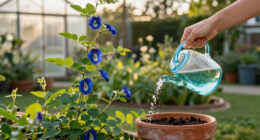
Camellias are evergreen shrubs with flowering times that vary by variety. The guide says many popular winter-flowering types, including Camellia japonica, form flower buds in summer and fall. Dry soil can cause buds to brown and drop, so gardeners are advised to check moisture during fall dry spells and keep the soil’s top couple of inches moist, not waterlogged.
Potted camellias may dry out more readily than plants in the ground. Their containers need drainage, and elevating pots can help prevent water from accumulating. During heavy rain, gardeners should check that soil drains freely. Kelly Funk, president of Jackson & Perkins, says well-draining, slightly acidic soil matters because camellias are sensitive to soggy roots. She also recommends watering before the ground freezes to help prevent winter dehydration.
The guide recommends spreading a 2- to 3-inch layer of organic mulch around the plant to insulate roots and retain moisture. Leaf mold or pine bark are suggested options for these acid-loving shrubs. Keep mulch away from the plant’s base, where trapped moisture may contribute to rot or fungal problems. Gardeners in areas expecting a hard freeze can use breathable frost cloth on young or exposed plants; potted plants can be moved to a sheltered location.
Protect buds for winter blooms
November care helps camellias handle dry spells and cold snaps while they approach flowering. Adjust watering and protection to your plant and local weather.
Keep moisture balanced
Check soil during dry spells; containers may dry out faster than garden beds.
Water when the top couple of inches are drying. Rainfall and drainage affect how often.
Mulch with leaf mold or pine bark, keeping it clear of the plant’s base.
Respond to cold and rain
Shelter and drainage needs vary with exposure and growing conditions.
- Cover young or exposed plants with breathable frost cloth during extreme cold.
- Move potted camellias to a sheltered spot when practical.
- Check that heavy rain drains freely.
- Use containers with drainage and elevate pots to prevent water buildup.
Preserve developing buds
Many winter-flowering camellias form buds before November, so late-season care focuses on protecting existing growth.
Avoid heavy cuts
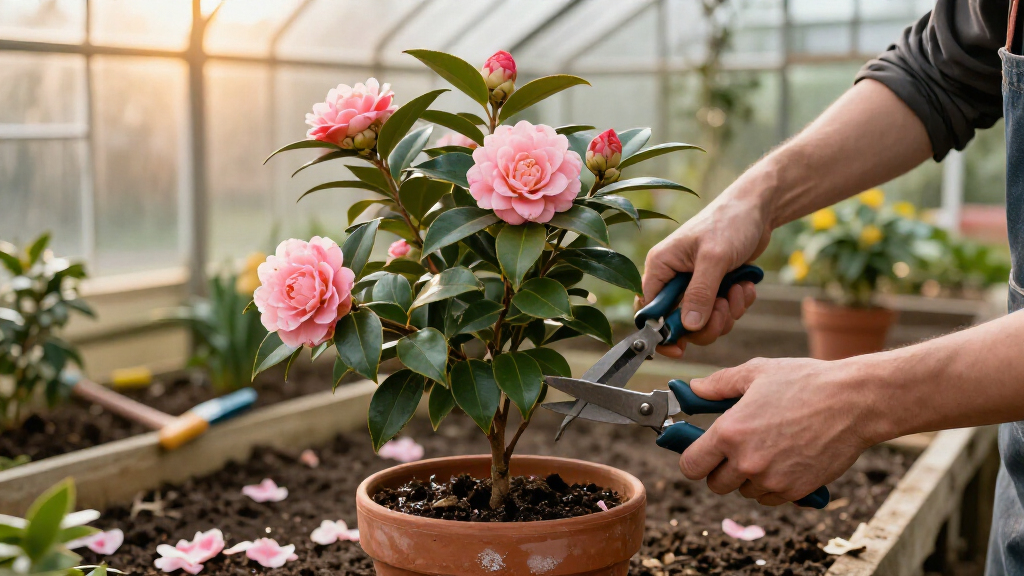
Pruning can remove buds and reduce flowering. Remove damaged or diseased branches only when needed, during a frost-free period.
Wait until spring
Fertilize after flowering, when active growth resumes.
Protecting Buds Before Winter
November care matters because the flower buds that produce many winter blooms may already be on the shrub. Frost, drought stress and late pruning can all put those buds at risk before they open. Checking conditions now may help gardeners avoid preventable damage during cold snaps and dry periods.
The guidance is seasonal rather than a guarantee of a particular display. Bloom timing and cold tolerance depend on the camellia variety, local weather and growing conditions. The practical aim is to reduce stress on the plant while it approaches flowering, not to promise that every shrub will bloom abundantly.
Products Worth Considering

Orbit B-hyve XR 8-Zone Indoor/Outdoor Smart Sprinkler Controller

Husqvarna 542i XP 16-Inch Battery-Powered Chainsaw

Greenworks 24V Cordless Brushless Leaf Blower, 515 CFM, 130 MPH, with 5.0Ah Battery and Charger
As an affiliate, we earn on qualifying purchases.
Why November Care Matters
Camellias generally grow in borders or containers when given slightly acidic soil and consistent moisture. Their shallow roots can dry out, while excessively wet soil can create other problems. That balance becomes harder to manage as fall rain, dry spells and freezing temperatures vary from week to week.
Many winter-flowering varieties set buds before November. The guide therefore treats late fall as a time to protect existing growth rather than encourage a flush of new growth. Funk advises that fertilizing is better left until spring after flowering, when active growth resumes.
“Well-draining, slightly acidic soil is especially important, as camellias are sensitive to soggy roots. Watering before the ground freezes can also help prevent winter dehydration.”
— Kelly Funk, president of Jackson & Perkins
Local Conditions Shape Results
The guidance does not specify a single temperature threshold for frost protection or a watering schedule that suits every garden. Local forecasts, rainfall, drainage, container size and variety affect what a particular plant needs. The guide also does not quantify how much these steps change bloom numbers; they are recommendations to reduce common sources of stress, not a guarantee of flowering.
Gardeners should check the needs of their specific camellia and respond to local conditions. A plant in a sheltered border may need different protection from one in a pot exposed to wind, and heavy rain may make additional watering unnecessary.
Adjust Care as Weather Changes
Through November, check the forecast and soil regularly. Water when the soil is drying, while maintaining drainage; add mulch without piling it against the stem; and cover young or exposed shrubs during forecast extreme cold. Move container-grown plants to shelter when practical.
Leave routine pruning and fertilizer until the plant has finished flowering and spring growth resumes. If removing diseased or damaged branches is necessary, the guide advises using sharp tools, making clean cuts back to healthy growth, and working during a frost-free period.
Key Questions
How often should I water a camellia in November?
There is no universal schedule. Check the soil during dry spells and water when the top couple of inches are drying, while avoiding waterlogged conditions. Rainfall and drainage affect how often watering is needed.
Should I cover my camellia when frost is forecast?
The guide recommends breathable frost cloth during extreme cold snaps for young or exposed plants in areas prone to freezing. Container-grown plants can also be moved to a sheltered spot.
Can I prune a camellia in November?
Avoid heavy pruning because many camellias have already formed buds for upcoming blooms, and cutting them off may reduce flowering. Remove damaged or diseased branches only when needed, using clean cuts during a frost-free period.
Should I fertilize my camellia before winter?
The guidance says to wait until spring after flowering, when active growth resumes. Fertilizing in November may encourage soft new growth vulnerable to frost.
What mulch is suitable for camellias?
The guide suggests acidic organic materials such as leaf mold or pine bark, applied in a 2- to 3-inch layer. Keep mulch clear of the plant’s base to limit excess moisture there.
Source: homesandgardens.com