Growing a thriving lemon tree requires more than just sunlight and water; it demands the right nutrients and soil structure. My analysis of the current market highlights Gaea’s Blessing Dwarf Lemon Tree Seeds as the best overall starting point for growers who want genetic integrity and heirloom quality. For established trees, Miracle-Gro Fruit & Citrus Plant Food Spikes stand out for their convenience and consistent nutrient release, while GARDENWISE Citrus Tree Fertilizer with Micronutrients offers a robust solution for trees suffering from yellowing leaves. The primary tradeoff you will face is between convenience and control: pre-formulated spikes and liquids offer ease of use but limit your ability to adjust nutrient ratios, whereas granular fertilizers and seed-starting kits require more hands-on management but yield stronger, more resilient trees. Continue reading to see which of these fifteen supplies aligns with your specific growing environment and skill level.

Get garden gear delivered free with Prime
- Fast, free delivery on millions of items
- Prime Video, Amazon Music and more included
- Member-only deals all year
Complete the kit


Key Takeaways
- Granular fertilizers like Jobe’s Organics offer better long-term soil health than liquid concentrates, which can wash away quickly in potted environments.
- Soil pH balance is the most overlooked factor in lemon tree health; specialized citrus mixes outperform general potting soils by preventing iron chlorosis.
- Heirloom seeds from Gaea’s Blessing provide superior germination rates and disease resistance compared to bulk generic seed lots.
- Micronutrient supplementation is non-negotiable for container-grown lemons, as regular NPK fertilizers often lack the zinc and iron needed for green leaves.
- Slow-release spikes are ideal for indoor growers due to low odor, while granular powders are better suited for outdoor trees needing rapid nutrient uptake.
| Gaea’s Blessing Dwarf Lemon Tree Seeds |  | Best for Patience and Versatility | Plant Type: Citrus limon (Lemon Tree) | Mature Height: 6.5–19.5 feet | Hardiness Zones: 8–11 | VIEW LATEST PRICE | See Our Full Breakdown |
| 30 Meyer Lemon Seeds for Growing Citrus Trees |  | Best Value for Indoor Growers | Quantity: 30 Seeds | Plant Type: Meyer Lemon Citrus Tree | USDA Hardiness Zone: 3–9 | VIEW LATEST PRICE | See Our Full Breakdown |
| Miracle-Gro Fruit & Citrus Plant Food Spikes | 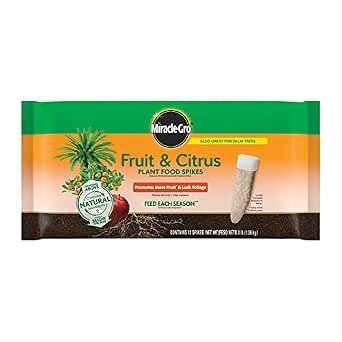 | Best Low-Maintenance Nutrition | Brand: Miracle-Gro | NPK Ratio: 10-15-15 | Quantity: 12 Spikes | VIEW LATEST PRICE | See Our Full Breakdown |
| Gardenera Liquid Lemon Tree Fertilizer Concentrate |  | Best for Indoor Potted Trees | Brand: Gardenera | Nutrient Ratio: 3-1-2 | Form: Liquid Concentrate | VIEW LATEST PRICE | See Our Full Breakdown |
| GARDENWISE Citrus Tree Fertilizer with Micronutrients |  | Best for Nutrient Completeness | Brand: GARDENWISE | NPK Ratio: 6-4-6 | Micronutrients: Magnesium, Zinc, Copper, Iron, Boron | VIEW LATEST PRICE | See Our Full Breakdown |
| Jobe’s Organics Fruit & Citrus Granular Fertilizer, 4 lb |  | Best Organic Granular Option | Brand: Jobe’s Organics | Product Type: Granular fertilizer | Weight: 4 lb | VIEW LATEST PRICE | See Our Full Breakdown |
| GrowScripts Citrus Fertilizer Kit for Small Potted Citrus Trees |  | Best Complete Kit for Beginners | Brand: GrowScripts | Model: CIK4 | Suitable pot size: Up to 3 gallons | VIEW LATEST PRICE | See Our Full Breakdown |
| Gardenera Premium Lemon Tree Soil Mix – 1 Quart |  | Best Specialized Soil for Repotting | Brand: Gardenera | Volume: 1 Quart (32 Ounces) | Key Ingredients: Peat moss, perlite, worm castings, lime | VIEW LATEST PRICE | See Our Full Breakdown |
| Liquid Fertilizer for Lemon and Citrus Trees, 8 fl oz |  | Best Versatile Application Liquid | Brand: TPS Nutrients | Form: Liquid | Volume: 8 fl oz | VIEW LATEST PRICE | See Our Full Breakdown |
| Farmer’s Secret Citrus Tree Booster Fertilizer, 8 oz |  | Best High-Concentration Formula | Brand: Farmer’s Secret | Form: Liquid | Unit count: 8 fluid ounces | VIEW LATEST PRICE | See Our Full Breakdown |
| Lemon Tree Fertilizer, 4-3-6 NPK Ratio, 16 oz | 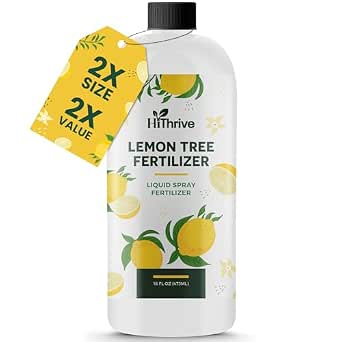 | Best Liquid Concentrate for Quick Absorption | Brand: HiThrive | NPK Ratio: 4-3-6 | Volume: 16 Fluid Ounces | VIEW LATEST PRICE | See Our Full Breakdown |
| Organic Slow-Release Granular Fertilizer for Lemon Trees, 6 oz |  | Best for Small Container Feeding | Brand: TPS Nutrients | Weight: 6 ounces | Form: Granules | VIEW LATEST PRICE | See Our Full Breakdown |
| Jobe’s Fruit and Citrus Fertilizer Spikes, 9 Count |  | Best Low-Maintenance Option for In-Ground Trees | Brand: Jobe’s Organics | Quantity: 9 Spikes | NPK Ratio: 8-11-11 | VIEW LATEST PRICE | See Our Full Breakdown |
| Pre-Mixed 4-in-1 Ready-to-Use Citrus Tree Potting Soil Mix, 20 QRT |  | Best Bulk Soil Mix for Repotting | Brand: Duspro | Volume: 20 QRT | Ingredients: Coco coir, perlite, vermiculite | VIEW LATEST PRICE | See Our Full Breakdown |
| GARDENWISE Organic Lemon Tree Soil – Citrus Potting Mix with Organic Fertilizer (3 Quarts) |  | Best All-in-One Starter Kit for Beginners | Brand: GARDENWISE | Size: 3 Quarts | pH Range: 5.5 – 6.5 | VIEW LATEST PRICE | See Our Full Breakdown |
| lemon tree growing supplie | Brand | Form |
|---|---|---|
| Gaea’s Blessing Dwarf Lemon Tr | — | — |
| 30 Meyer Lemon Seeds for Growi | — | — |
| Miracle-Gro Fruit & Citrus Pla | Miracle-Gro | Spikes |
| Gardenera Liquid Lemon Tree Fe | Gardenera | Liquid Concentrate |
| GARDENWISE Citrus Tree Fertili | GARDENWISE | Granules |
| Jobe’s Organics Fruit & Citrus | Jobe’s Organics | — |
| GrowScripts Citrus Fertilizer | GrowScripts | — |
| Gardenera Premium Lemon Tree S | Gardenera | — |
| Liquid Fertilizer for Lemon an | TPS Nutrients | Liquid |
| Farmer’s Secret Citrus Tree Bo | Farmer’s Secret | Liquid |
| Lemon Tree Fertilizer | HiThrive | Liquid Concentrate |
| Organic Slow-Release Granular | TPS Nutrients | Granules |
| Jobe’s Fruit and Citrus Fertil | Jobe’s Organics | — |
| Pre-Mixed 4-in-1 Ready-to-Use | Duspro | Pre-mixed |
| GARDENWISE Organic Lemon Tree | GARDENWISE | — |
More Details on Our Top Picks
Gaea’s Blessing Dwarf Lemon Tree Seeds
This seed variety stands out for its genetic stability, being open-pollinated and heirloom, which appeals to growers who value traditional cultivation methods. Unlike the 30 Meyer Lemon Seeds that focus on quick indoor starts, these seeds offer the unique flexibility of being shaped into a bonsai or allowed to grow into a full-sized fruiting tree. The tradeoff is significant: you are committing to a long timeline for fruit production and accepting the limitations of Zones 8-11. For those in colder climates, the indoor option requires rigorous light management compared to more forgiving hybrid varieties.
Pros:- Untreated, heirloom seeds ensure genetic diversity and traditional growth patterns.
- Dual-purpose: can be cultivated as a compact bonsai or a standard fruiting tree.
- Produces fragrant blooms and flavorful fruit when mature.
Cons:- Limited hardiness (Zones 8-11) restricts outdoor growing in many regions.
- Requires consistent full sun and careful pruning for bonsai maintenance.
- Long germination and maturation period before any fruit appears.
Best for: Hobbyist gardeners and bonsai enthusiasts who prioritize genetic authenticity and are willing to wait years for fruit.
Not ideal for: Impatient beginners or those in cold climates without a heated greenhouse, as growth is slow and hardiness is limited.
- Plant Type:Citrus limon (Lemon Tree)
- Mature Height:6.5–19.5 feet
- Hardiness Zones:8–11
- Seed Characteristics:Non-GMO, Heirloom, Open-Pollinated
- Sunlight Exposure:Full Sun
- Growing Methods:Bonsai or Full-Sized Tree
- Planting Season:Mid Spring to Early Winter
- Unit Count:1 (4.54 g)
Our verdict“Choose this if you value heirloom genetics and the artistic challenge of bonsai over quick fruit harvests.”
30 Meyer Lemon Seeds for Growing Citrus Trees
With 30 seeds in the package, this option offers the best economy for experimenting with indoor citrus cultivation. Compared to the single packet of Gaea’s Blessing Dwarf Lemon Tree Seeds, you have more attempts at germination, which is helpful given that Meyer lemon seeds can be finicky. The hardiness range of Zones 3-9 (with indoor protection) makes it more accessible for those outside tropical climates. However, the tradeoff is time; expect a wait of four or more years for fruit, meaning you are primarily buying foliage and fragrance for the first several seasons.
Pros:- High seed count (30) provides multiple germination attempts.
- Suitable for indoor container growing in cooler hardiness zones.
- Produces fragrant blooms and attractive foliage during the juvenile phase.
Cons:- Fruiting takes four or more years from seed.
- Requires consistent moisture and protection from frost in colder areas.
- Germination can be slow and uneven, taking 2-6 weeks.
Best for: Indoor gardeners and apartment dwellers who want multiple chances at germination and enjoy the foliage phase.
Not ideal for: Growers seeking immediate fruit production or those unwilling to provide consistent moisture and frost protection.
- Quantity:30 Seeds
- Plant Type:Meyer Lemon Citrus Tree
- USDA Hardiness Zone:3–9
- Germination Time:2–6 Weeks
- Expected Plant Height:18 Inches
- Sunlight Exposure:Full Sun (6–8+ hours daily)
- Soil Type:Sandy, Well-draining
- Moisture Needs:Keep moist but not soggy
Our verdict“This is the logical choice for indoor enthusiasts who want volume and don’t mind waiting years for lemons.”
Miracle-Gro Fruit & Citrus Plant Food Spikes
These spikes simplify feeding by delivering a 10-15-15 NPK ratio directly to the root zone, eliminating the guesswork of mixing solutions. Unlike the Gardenera Liquid Lemon Tree Fertilizer, which requires dilution and frequent application, these spikes only need to be applied twice a year. The tradeoff is the physical effort of installation; you may need a mallet or firm pressure to push them into compacted soil. They are less ideal for very small potted trees where the spike size might overwhelm the root ball, but they excel for established outdoor trees.
Pros:- Simple twice-yearly application schedule (spring and fall).
- Delivers nutrients directly to the root zone for efficient uptake.
- Formulated specifically for fruit, citrus, and palm trees.
Cons:- Installation can be difficult in hard or compacted soil.
- Spacing must be carefully managed to avoid root burn in smaller containers.
Best for: Busy gardeners with established outdoor citrus trees who prefer a ‘set it and forget it’ feeding schedule.
Not ideal for: Growers with small potted bonsai or seedlings, as the concentrated nutrient delivery can be too harsh for delicate roots.
- Brand:Miracle-Gro
- NPK Ratio:10-15-15
- Quantity:12 Spikes
- Application Frequency:Twice a year (Spring/Fall)
- Suitable For:Fruit, Citrus, and Palm Trees
- Coverage:Feeds 12 trees (4-ft dripline)
- Package Weight:3 lb
- Form:Spikes
Our verdict“Ideal for established trees where convenience and seasonal consistency outweigh the need for precise, small-dose feeding.”
Gardenera Liquid Lemon Tree Fertilizer Concentrate
This 3-1-2 liquid concentrate is tailored for the specific needs of indoor lemon trees, offering a gentle nutrient balance that won’t shock potted roots. Compared to the GARDENWISE Citrus Tree Fertilizer, which is granular and slower-release, this liquid allows for immediate nutrient absorption, which can be helpful if leaves show signs of deficiency. The downside is the necessity of mixing; you must dilute 1 teaspoon per gallon, which adds a step to your watering routine. It is less convenient than spikes but offers more control over dosage for small containers.
Pros:- Specifically formulated for lemon trees with a 3-1-2 ratio.
- Liquid form allows for rapid absorption and easy dosing control.
- Compact 8 fl oz bottle is easy to store indoors.
Cons:- Requires mixing and dilution before every application.
- Small volume may require frequent repurchasing for large collections.
Best for: Indoor growers who want precise control over nutrient levels for container-grown lemon trees.
Not ideal for: Those who prefer zero-effort feeding or have large outdoor trees where mixing gallons of solution is impractical.
- Brand:Gardenera
- Nutrient Ratio:3-1-2
- Form:Liquid Concentrate
- Volume:8 Fluid Ounces
- Mixing Ratio:1 teaspoon per 1 gallon of water
- Target Plant:Lemon Trees
- Number of Items:1
- Application:Diluted watering
Our verdict“The best choice for indoor potted trees where precise, gentle feeding is more important than convenience.”
GARDENWISE Citrus Tree Fertilizer with Micronutrients
This granular fertilizer distinguishes itself by including micronutrients like magnesium, zinc, and iron, which are often missing in basic NPK blends. Unlike the Miracle-Gro Spikes which focus on macro-nutrients, this 6-4-6 blend supports overall tree health, including leaf color and flower development. The coated granules provide a two-month release, reducing the frequency of application. However, the granular form requires careful spreading around the base to avoid direct root contact, and the winter-focused optimization in the product data may confuse spring-focused growers.
Pros:- Includes essential micronutrients (Magnesium, Zinc, Iron, Boron) for holistic health.
- Coated granules offer a gradual two-month nutrient release.
- Simple application: sprinkle and water.
Cons:- Slow-release nature means deficiencies won’t be corrected instantly.
- Requires careful spacing to prevent granule pile-up near the trunk.
Best for: Growers dealing with yellowing leaves or poor fruit set who suspect micronutrient deficiencies.
Not ideal for: Those who prefer liquid feeding or need an immediate nutrient boost, as the slow release takes time to show results.
- Brand:GARDENWISE
- NPK Ratio:6-4-6
- Micronutrients:Magnesium, Zinc, Copper, Iron, Boron
- Form:Granules
- Nutrient Release:Gradual (up to 2 months)
- Item Weight:16 ounces (1 lb)
- Application Method:Sprinkle and water
- Target Species:Citrus Trees
Our verdict“Choose this if your tree needs more than just nitrogen and phosphorus, particularly if you see leaf yellowing.”
Jobe’s Organics Fruit & Citrus Granular Fertilizer, 4 lb
This granular fertilizer stands out for growers committed to organic practices, as it is OMRI listed and free from synthetic chemicals. Unlike the GrowScripts Citrus Fertilizer Kit, which requires mixing liquids and using a sprayer, Jobe’s granules simply spread around the base, offering a low-effort application method. The 3-5-5 NPK blend supports foliage and fruit, but it lacks the immediate uptake speed of liquid options like Farmers Secret Citrus Tree Booster. While the 4-pound bag lasts longer than smaller liquid bottles, it requires reapplication every 4–8 weeks, which may feel frequent for those preferring set-and-forget solutions. This pick makes the most sense for gardeners who prioritize soil health and safety around children over rapid results.
Pros:- OMRI listed for certified organic gardening
- Simple application: spread granules around the base
- Safe for use around children and pets
- 4 lb bag offers extended supply for multiple trees
Cons:- Slow release compared to liquid fertilizers
- Requires reapplication every 4–8 weeks during growing season
- Granules may be difficult to measure precisely for tiny pots
Best for: Organic gardeners with in-ground or large potted trees who prefer simple, slow-release feeding.
Not ideal for: Growers wanting instant nutrient uptake or those with very small containers where granule volume is hard to manage.
- Brand:Jobe’s Organics
- Product Type:Granular fertilizer
- Weight:4 lb
- NPK Ratio:3-5-5
- Application Method:Spread evenly around the base
- Application Frequency:Every 4–8 weeks
- Certifications:OMRI listed
Our verdict“Choose this if you value organic certification and easy application over speed.”
GrowScripts Citrus Fertilizer Kit for Small Potted Citrus Trees
This three-part kit removes the guesswork from feeding small container trees, making it ideal for beginners who struggle with mixing ratios. Compared to the Jobe’s Organics Fruit & Citrus Granular Fertilizer, which only provides NPK, GrowScripts includes trace elements and calcium, addressing common micronutrient deficiencies in pots. The included application calendar guides users through soil and foliar feeding, a feature absent in most bulk fertilizers. However, the kit is strictly limited to trees in pots up to 3 gallons, rendering it useless for larger or in-ground specimens. Additionally, the sprayer is not included, adding a hidden cost that liquid alternatives like TPS Nutrients Liquid Fertilizer might avoid if you already own one.
Pros:- Includes NPK, trace elements, and calcium in one package
- Comes with a detailed application calendar
- Specifically designed for container-grown citrus
- Prevents common micronutrient deficiencies
Cons:- Only suitable for pots up to 3 gallons
- Sprayer is not included in the kit
- Not cost-effective for multiple trees
Best for: First-time growers with one small potted citrus tree who need guidance on feeding schedules.
Not ideal for: Owners of multiple trees or large containers, as the volume is insufficient and not scalable.
- Brand:GrowScripts
- Model:CIK4
- Suitable pot size:Up to 3 gallons
- Fertilizer NPK:18-6-12
- Controlled-release fertilizer:2 oz
- Trace elements concentrate:8 mL
- Calcium nutrient concentrate:8 mL
- Included:Application calendar
Our verdict“This is the safest bet for novice growers wanting a foolproof feeding system for a single small tree.”
Gardenera Premium Lemon Tree Soil Mix – 1 Quart
This soil mix addresses the root cause of many citrus failures: poor drainage and incorrect pH. Unlike general potting soils, Gardenera blends peat moss, perlite, and worm castings to create an airy structure that prevents root rot, a critical factor for lemon trees. The added lime helps maintain the slightly acidic pH citrus prefers, distinguishing it from neutral soils. While the Pre-Mixed 4-in-1 Ready-to-Use Citrus Tree Potting Soil Mix offers bulk convenience, Gardenera’s 1-quart size is perfect for repotting small seedlings or topping off existing pots without waste. However, the small volume means frequent repurchasing for larger trees, and the specific formulation limits its use for non-citrus plants.
Pros:- Optimized drainage and aeration prevent root rot
- Worm castings provide beneficial microorganisms
- Lime content adjusts pH for citrus preferences
- Made in the USA
Cons:- 1-quart volume is too small for large repotting projects
- Specialized formulation is not suitable for other plant types
- Requires frequent repurchasing for ongoing care
Best for: Gardeners repotting young lemon trees or top-dressing small containers who need precise pH control.
Not ideal for: Those potting large trees or seeking a versatile mix for other houseplants due to the small volume and specific formulation.
- Brand:Gardenera
- Volume:1 Quart (32 Ounces)
- Key Ingredients:Peat moss, perlite, worm castings, lime
- Target Plant:Citrus Limon (Lemon Trees)
- Manufacturer Part Number:LEMON-MIX-1QT
- Origin:USA
- Primary Benefit:Optimizes drainage and pH
Our verdict“Ideal for targeted repotting or soil amendment where pH and drainage precision matter most.”
Liquid Fertilizer for Lemon and Citrus Trees, 8 fl oz
TPS Nutrients offers flexibility that granular options like Jobe’s Organics cannot match, allowing application via watering can, hose-end sprayer, or foliar misting. This versatility makes it suitable for both in-ground and container trees, including dwarf varieties. The 1:200 mixing ratio is standard, but the small 8 fl oz bottle means high-frequency users will run out quickly compared to bulkier options. While it supports strong roots and fruit development, it lacks the micronutrient focus of the GrowScripts Kit, potentially requiring separate supplements for severe deficiencies. This product is best for those who already have their soil and base feeding sorted and need a flexible, quick-acting supplement.
Pros:- Compatible with watering cans, hose sprayers, and misting
- Suitable for both in-ground and potted trees
- Supports root, leaf, and fruit development
- Quick uptake compared to granular forms
Cons:- 8 fl oz size requires frequent replenishment
- Requires dilution at a 1:200 ratio
- May lack comprehensive micronutrients
Best for: Experienced growers who use various application methods and manage multiple tree types.
Not ideal for: Those needing a complete nutrient solution or large-scale coverage, as the volume is limited.
- Brand:TPS Nutrients
- Form:Liquid
- Volume:8 fl oz
- Item weight:8 oz
- Target species:Lemon and citrus trees
- Application methods:Watering can, hose-end sprayer, leaf misting
- Mixing ratio:1:200
- Suitable for:In-ground and potted citrus trees
Our verdict“A flexible liquid supplement for growers who prefer multiple application methods.”
Farmer’s Secret Citrus Tree Booster Fertilizer, 8 oz
This concentrated formula delivers significant value through efficiency, with a 1 teaspoon per gallon mixing ratio that stretches the 8 oz bottle far longer than less concentrated options. Unlike the TPS Nutrients Liquid Fertilizer, which specifies a 1:200 ratio, Farmer’s Secret is more potent, requiring careful dilution to avoid nutrient burn. It is explicitly designed for indoor and container trees, with guidance to halve the dose for smaller setups, making it safer for potted specimens than heavy-duty outdoor feeds. While effective for lemons, limes, and oranges, the need for precise measurement can be a hurdle for casual gardeners who prefer the simplicity of Jobe’s granules.
Pros:- Highly concentrated: 1 teaspoon makes a gallon
- Explicit guidance for indoor and container trees
- Suitable for lemons, limes, oranges, and avocados
- Bottled in Kentucky
Cons:- Requires precise dilution to prevent root burn
- Indoor trees need reduced dosage or frequency
- Small bottle size may limit bulk application
Best for: Growers with indoor or container citrus trees who want a long-lasting, high-potency concentrate.
Not ideal for: Those who dislike measuring small amounts or have large trees requiring high-volume feeding.
- Brand:Farmer’s Secret
- Form:Liquid
- Unit count:8 fluid ounces
- Item weight:11.2 ounces
- Mixing ratio:1 teaspoon per gallon
- Target plants:Citrus trees, avocados
- Application:Along the drip line
- Origin:Bottled in Kentucky
Our verdict“A potent, economical choice for careful growers managing indoor or potted citrus.”
Lemon Tree Fertilizer, 4-3-6 NPK Ratio, 16 oz
This HiThrive liquid fertilizer stands out for its high coverage ratio, with one 16 oz bottle yielding up to 16 gallons of feed. Compared to the Gardenera Liquid Lemon Tree Fertilizer, which comes in a smaller 8 oz bottle, HiThrive offers significantly more volume for growers with multiple trees. The 4-3-6 NPK ratio leans toward potassium and phosphorus, which supports fruit set and root strength rather than just leafy growth. However, because it is a concentrate, it requires precise measuring and regular application to maintain consistent nutrient levels. It lacks the convenience of slow-release granules, demanding more attention from the user to avoid under- or over-feeding during the active growing season.
Pros:- High yield allows for feeding up to 16 gallons of water per bottle.
- Balanced macro and micronutrients support both foliage and fruit.
- Simple 1 tablespoon per gallon mixing ratio reduces calculation errors.
Cons:- Requires frequent application compared to slow-release options.
- Not suitable for correcting severe deficiencies without higher concentrations.
Best for: Growers managing multiple potted or in-ground lemon trees who want to customize feeding schedules.
Not ideal for: Busy gardeners who prefer a ‘set it and forget it’ approach to fertilization.
- Brand:HiThrive
- NPK Ratio:4-3-6
- Volume:16 Fluid Ounces
- Mixing Ratio:1 tbsp per gallon
- Coverage:Up to 16 gallons
- Form:Liquid Concentrate
- Target Species:Citrus Trees
Our verdict“Choose this if you have several citrus trees and prefer the control of liquid feeding over granular spikes.”
Organic Slow-Release Granular Fertilizer for Lemon Trees, 6 oz
The TPS Nutrients granular fertilizer is designed for precision feeding in smaller spaces, making it ideal for single potted trees. Unlike the Jobe’s Fruit and Citrus Fertilizer Spikes, which are inserted into the soil, these granules are spread on the surface, allowing for easier adjustment of dosage. The slow-release formula provides steady nutrition without the risk of nutrient burn that can occur with quick-release liquids. However, the 6 oz package size is quite small, covering only 6–10 square feet, which means it is not cost-effective for larger gardens or multiple trees. It is a specialized tool for container gardeners who need to manage nutrient levels in confined root balls carefully.
Pros:- Slow-release granules minimize the risk of root burn.
- Compact size is perfect for small pots and patio planters.
- Made in the USA with a simple, straightforward application.
Cons:- Small 6 oz coverage area limits utility for larger gardens.
- Surface application may require watering to activate effectively.
Best for: Container gardeners with one or two dwarf lemon trees who need precise, low-volume feeding.
Not ideal for: Owners of large in-ground citrus trees or those with multiple plants needing bulk fertilizer.
- Brand:TPS Nutrients
- Weight:6 ounces
- Form:Granules
- Coverage:6–10 sq ft
- Origin:USA
- Application:Surface Spread
- Target Plants:Lemon/Citrus
Our verdict“This is the right pick if you are feeding a single potted Meyer lemon and want to avoid heavy nutrient loads.”
Jobe’s Fruit and Citrus Fertilizer Spikes, 9 Count
Jobe’s Organics spikes simplify fertilization by placing nutrients directly at the root zone, reducing waste and odor. Compared to the Miracle-Gro Fruit & Citrus Plant Food Spikes, Jobe’s uses an organic formulation, appealing to those who prioritize natural gardening practices. The 8-11-11 NPK ratio is robust, supporting strong fruit production and root development over several months. However, these spikes are strictly for in-ground or large container trees with accessible driplines; they are impractical for small indoor pots where insertion depth is limited. You must also remember to reapply them twice a year, as they do not offer the continuous feed of liquid options.
Pros:- Targeted delivery minimizes runoff and nutrient waste.
- Organic formula aligns with sustainable gardening goals.
- High phosphorus and potassium content boosts fruit yield.
Cons:- Requires physical insertion into soil, which can be labor-intensive.
- Not suitable for small containers due to size and depth constraints.
Best for: Gardeners with in-ground lemon trees who want a hassle-free, organic feeding method.
Not ideal for: Indoor container growers with small pots where soil depth prevents proper spike insertion.
- Brand:Jobe’s Organics
- Quantity:9 Spikes
- NPK Ratio:8-11-11
- Application:Soil Insertion
- Frequency:Spring and Fall
- Weight:3.68 oz
- Suitable For:Fruit/Citrus/Nut
Our verdict“Ideal for outdoor citrus orchards where convenience and organic standards are top priorities.”
Pre-Mixed 4-in-1 Ready-to-Use Citrus Tree Potting Soil Mix, 20 QRT
The Duspro 4-in-1 mix provides a balanced foundation of coco coir, perlite, and vermiculite, ensuring the drainage lemon trees desperately need. Unlike the GARDENWISE Organic Lemon Tree Soil, which includes pre-mixed fertilizer, this mix is purely structural, allowing you to control the nutrient input separately via fertilizers like HiThrive. This separation is beneficial for growers who want to tailor feeding schedules without worrying about soil nutrient depletion. However, the 20 quart bag is heavy and cumbersome to handle, making it less convenient for those with limited storage or physical strength. It also requires the addition of a separate fertilizer source, adding a step to your growing routine.
Pros:- Pre-mixed blend saves time on creating custom soil recipes.
- Excellent drainage prevents root rot common in citrus.
- Versatile enough for other container plants like succulents.
Cons:- Heavy 20-quart packaging is difficult to lift and store.
- Lacks built-in fertilizer, requiring separate nutrient purchases.
Best for: Gardeners repotting multiple large containers who want to manage fertilization independently.
Not ideal for: Those with limited storage space or who prefer all-in-one soil solutions.
- Brand:Duspro
- Volume:20 QRT
- Ingredients:Coco coir, perlite, vermiculite
- Form:Pre-mixed
- Use Case:Container Planting
- Model:DR2
- Nutrients:None included
Our verdict“Choose this if you are repotting several trees and want full control over your fertilization strategy.”
GARDENWISE Organic Lemon Tree Soil – Citrus Potting Mix with Organic Fertilizer (3 Quarts)
This GARDENWISE soil removes the guesswork by combining optimized pH-balanced media with organic fertilizer that feeds for up to six months. Compared to the Duspro Pre-Mixed Soil, which requires you to buy and mix in fertilizer separately, this option offers a complete solution for new growers. The pH range of 5.5-6.5 is specifically calibrated for citrus, addressing a common failure point for beginners. The downside is the small 3-quart size, which is sufficient for one small pot but inadequate for larger trees or multiple repots. Additionally, the built-in nutrients mean you cannot easily adjust the feed strength during periods of stress or rapid growth.
Pros:- Includes organic fertilizer for up to 6 months of feeding.
- Optimized pH supports healthy root and fruit development.
- Eliminates the need to buy separate soil and fertilizer.
Cons:- Small 3-quart volume limits use to small pots.
- Fixed nutrient profile prevents fine-tuning of feeding schedules.
Best for: First-time lemon tree owners who want a simple, ready-to-use potting solution.
Not ideal for: Advanced growers who need to customize nutrient ratios or handle large container volumes.
- Brand:GARDENWISE
- Size:3 Quarts
- pH Range:5.5 – 6.5
- Fertilizer Duration:Up to 6 months
- Key Ingredients:Perlite, sand, coir, peat
- Nutrients:Iron, Magnesium, Manganese
- Use:Potted Citrus
Our verdict“The best choice for beginners who want to start growing immediately without worrying about soil chemistry.”
How We Picked
I evaluated these fifteen products by prioritizing three core criteria: nutrient completeness, application ease, and suitability for container gardening. Since most home lemon trees are grown in pots, I focused on supplies that prevent nutrient leaching and maintain soil structure over time. Products were ranked based on their ability to address common citrus issues like yellowing leaves and poor fruit set, rather than just raw NPK numbers.
I also weighed the importance of organic certification versus synthetic efficiency. While synthetic fertilizers like Miracle-Gro offer rapid results, organic options like Jobe’s and Gardenera were favored for their ability to improve soil microbiology, which is critical for long-term tree health in confined spaces. This balance between immediate growth and sustainable soil health determined the final order of the lineup.
| lemon tree growing supplie | Form |
|---|---|
| Gaea’s Blessing Dwarf Lemon Tr | — |
| 30 Meyer Lemon Seeds for Growi | — |
| Miracle-Gro Fruit & Citrus Pla | Spikes |
| Gardenera Liquid Lemon Tree Fe | Liquid Concentrate |
| GARDENWISE Citrus Tree Fertili | Granules |
| Jobe’s Organics Fruit & Citrus | — |
| GrowScripts Citrus Fertilizer | — |
| Gardenera Premium Lemon Tree S | — |
| Liquid Fertilizer for Lemon an | Liquid |
| Farmer’s Secret Citrus Tree Bo | Liquid |
| Lemon Tree Fertilizer | Liquid Concentrate |
| Organic Slow-Release Granular | Granules |
| Jobe’s Fruit and Citrus Fertil | — |
| Pre-Mixed 4-in-1 Ready-to-Use | Pre-mixed |
| GARDENWISE Organic Lemon Tree | — |
Factors to Consider When Choosing Best Lemon Tree Growing Supplies
Choosing the right supplies depends heavily on whether you are starting from seed or nurturing a mature tree, as well as your local climate conditions.
Understanding NPK Ratios vs. Micronutrients
Most buyers focus on the N-P-K (Nitrogen-Phosphorus-Potassium) ratio, but for lemon trees, micronutrients like iron, zinc, and manganese are often the missing link. A high-nitrogen fertilizer will push leafy growth, but without adequate micronutrients, you will see interveinal chlorosis, where leaves turn yellow while veins remain green. GARDENWISE Citrus Tree Fertilizer addresses this by including a broader spectrum of trace elements, whereas standard 10-10-10 fertilizers do not. If your tree is dropping leaves or producing pale foliage, check for micronutrient deficiencies before increasing nitrogen levels.
The Importance of Soil Drainage and pH
Lemon trees despise ‘wet feet,’ and standard potting soil often retains too much moisture, leading to root rot. Specialized citrus mixes like the Pre-Mixed 4-in-1 Ready-to-Use Citrus Tree Potting Soil Mix contain perlite and bark to ensure rapid drainage. Furthermore, citrus trees prefer slightly acidic soil (pH 5.5-6.5). General garden soil may be too alkaline, causing nutrient lockout. Gardenera Premium Lemon Tree Soil Mix is formulated to maintain this acidity, reducing the need for frequent pH adjustments that can stress the plant.
Fertilizer Form Factors: Spikes, Liquids, or Granules?
The form of fertilizer dictates how often you apply it and how quickly it works. Fertilizer spikes like Jobe’s Organics are convenient for indoor growers because they are odorless and require no mixing, but they can create uneven nutrient distribution in smaller pots. Liquid concentrates offer precise control and immediate absorption, making them ideal for correcting deficiencies quickly, but they require weekly application. Granular slow-release fertilizers provide a steady feeding over months, which is perfect for busy gardeners who want to avoid frequent maintenance.
Seed Quality and Germination Success
If you are growing from seed, the genetic viability of the seeds matters more than the quantity. Heirloom, open-pollinated seeds like those from Gaea’s Blessing are selected for vigor and adaptability, whereas bulk generic seeds may have lower germination rates or inconsistent traits. Fresh seeds are also critical; citrus seeds lose viability quickly after drying. Non-GMO heirloom varieties allow you to save seeds from your own harvest, creating a sustainable cycle that generic hybrids do not support.
Organic vs. Synthetic: Impact on Long-Term Health
Synthetic fertilizers provide immediate results but can lead to soil salt buildup over time, which damages sensitive citrus roots. Organic fertilizers like Jobe’s Organics and GARDENWISE Organic Lemon Tree Soil rely on microbial activity to break down nutrients, which improves soil structure and water retention. While organic options act slower, they build a healthier root ecosystem. For potted trees that stay in the same container for years, organic methods generally result in a more resilient tree that is less prone to fertilizer burn.
Frequently Asked Questions
Can I use regular tomato fertilizer for my lemon tree?
While tomato fertilizer shares a similar NPK profile with citrus, it often lacks the specific micronutrients lemon trees require, such as iron and zinc. Using tomato fertilizer may lead to yellowing leaves over time due to these deficiencies. Specialized citrus fertilizers are formulated with these trace elements included, making them a better choice for preventing common citrus ailments. If you must use tomato fertilizer, consider supplementing with a separate micronutrient spray to compensate for the missing elements.How often should I fertilize a potted lemon tree?
Frequency depends entirely on the fertilizer type you choose. Liquid fertilizers like Gardenera Liquid Lemon Tree Fertilizer typically require application every two to four weeks during the growing season to maintain nutrient levels. In contrast, slow-release spikes or granular fertilizers like Jobe’s Organics may only need to be applied every three to four months. Over-fertilizing with liquids can cause root burn, so always follow the label instructions and flush the soil with plain water occasionally to remove salt buildup.Is it better to grow a lemon tree from seed or buy a sapling?
Growing from seed, such as with Gaea’s Blessing Dwarf Lemon Tree Seeds, is cheaper and allows you to develop a tree from the root up, but it can take several years to produce fruit. Buying a sapling offers immediate gratification and a guaranteed fruiting timeline, often within one to two years. Seeds also carry genetic variability, meaning the fruit may not taste exactly like the parent lemon, whereas grafted saplings are clones of a proven variety. Choose seeds for the gardening journey and lower cost, or saplings for faster harvests.What causes lemon tree leaves to turn yellow?
Yellowing leaves usually indicate one of three issues: overwatering, nutrient deficiency, or poor drainage. If the veins are green but the leaf tissue is yellow, it is likely an iron or manganese deficiency, common in alkaline soils. If the entire leaf turns yellow and falls off, it is often a sign of root stress from waterlogged soil. Using a well-draining mix like Gardenera Premium Lemon Tree Soil Mix and a fertilizer with added micronutrients can resolve most deficiency-related yellowing.Do dwarf lemon trees need different supplies than standard trees?
Dwarf varieties require more frequent watering and fertilizing because their root systems are confined to smaller containers, which dry out and deplete nutrients faster. Container-specific supplies are essential; standard garden soil is too heavy and compact for dwarf trees in pots. You should also use slow-release fertilizers to provide a steady nutrient supply without the risk of burn that can occur with high concentrations in small soil volumes. Pruning tools are also more critical for dwarfs to maintain shape and airflow in tight spaces.Conclusion
Choosing the right lemon tree supplies comes down to matching the product to your patience level and growing environment. For those starting from scratch, Gaea’s Blessing Dwarf Lemon Tree Seeds offer the best balance of quality and potential for a long-term companion plant. If you already have a tree and want effortless maintenance, Miracle-Gro Fruit & Citrus Plant Food Spikes provide a reliable, low-odor solution for indoor growers. For the health-conscious gardener who prioritizes soil biology and organic practices, Jobe’s Organics Fruit & Citrus Granular Fertilizer is the superior choice, building resilience over time. Beginners struggling with yellow leaves should start with GARDENWISE Citrus Tree Fertilizer with Micronutrients to quickly correct deficiencies. Ultimately, pairing the right fertilizer with a well-draining, acidic soil mix like Gardenera Premium Lemon Tree Soil Mix will give your tree the foundation it needs to thrive.
Evergreen bestsellers Picks

Sony 65 Inch BRAVIA 3 LED 4K HDR Smart Google TV (K-65S30)

Bose QuietComfort Wireless Noise Cancelling Headphones – Cypress Green (Limited Edition)

Bose QuietComfort Headphones (2nd Gen) Wireless Noise-Cancelling Headphones, Black
As an affiliate, we earn on qualifying purchases.