
If you find tiny pests or see distorted, stunted growth in your potted bulbs, you might have bulb mites. These pests are barely visible but cause a silvery or dusty appearance on the bulbs and web-like structures around the roots. To control them naturally, improve plant health, guarantee good drainage, and remove infested bulbs. Using neem or horticultural oil can help, and maintaining cleanliness is essential. Keep exploring to learn more about effective ways to eliminate these pests.

Get garden gear delivered free — and shop member deals
- Fast, free delivery on millions of items
- Access to Prime Big Deal Days deals on October 6–7
- Prime Video, Amazon Music and more included
Key Takeaways
- Bulb mites are tiny pests that can cause distorted or stunted growth in potted bulbs.
- Signs include a silvery/dusty surface on bulbs and web-like structures around roots.
- Natural control methods include improving plant health, proper drainage, and introducing predatory mites.
- Regular inspection and removal of infested bulbs help prevent mite proliferation.
- Using horticultural or neem oil weekly can suffocate pests and reduce infestations naturally.
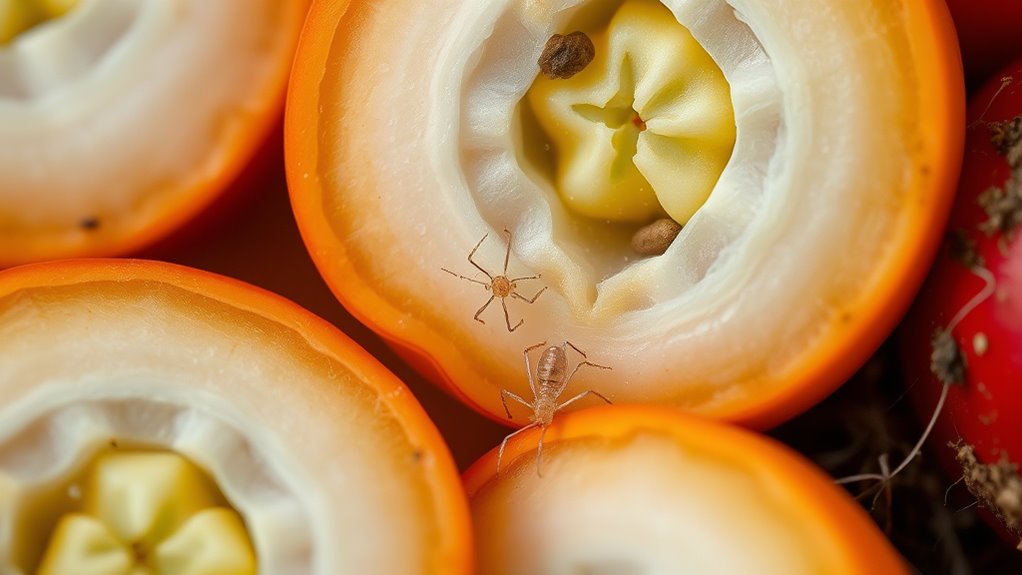
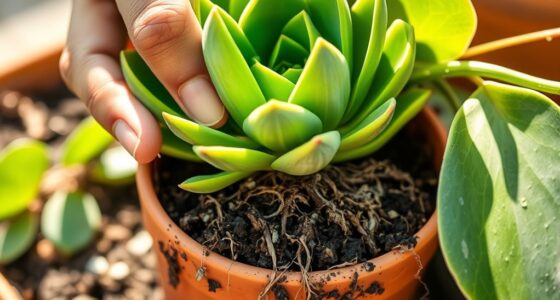
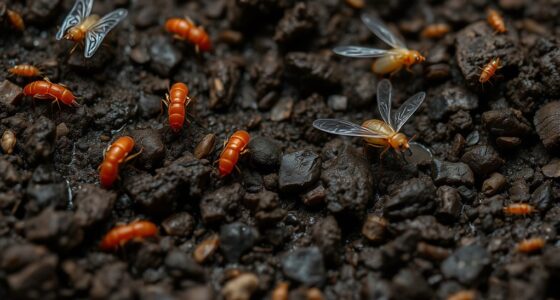
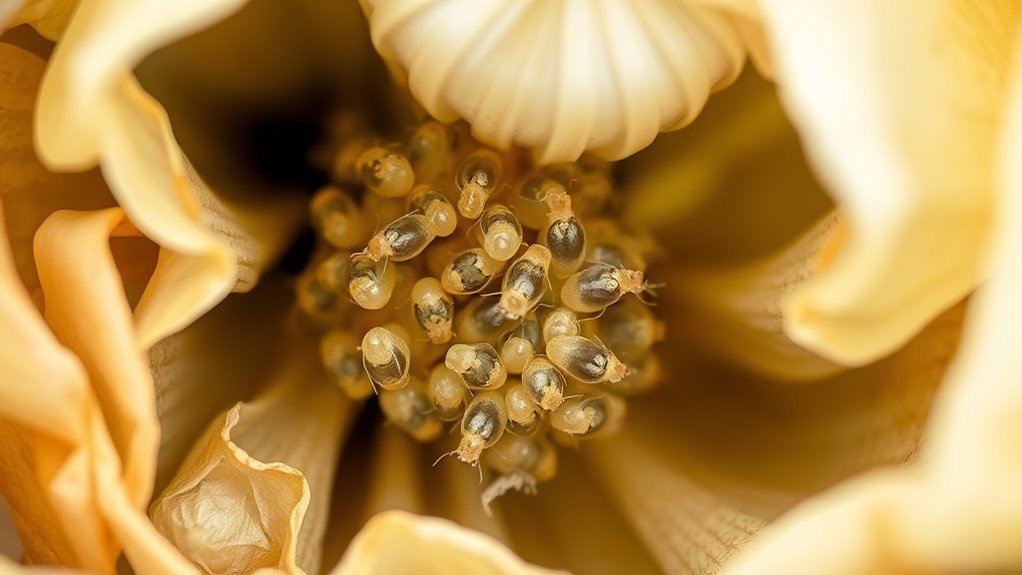
Bulb mites are tiny pests that can cause significant damage to your stored bulbs and onion sets. These minuscule creatures are often barely visible to the naked eye, but their presence can wreak havoc on your potted bulbs. Recognizing mite identification is the first step toward managing an infestation. Usually, you’ll notice signs like distorted or stunted growth, a silvery or dusty appearance on the bulb surface, or tiny web-like structures around the roots. Sometimes, you might even spot these pests crawling on the bulbs or soil. Getting a close look with a magnifying glass can help confirm if mites are the culprits. Once you identify that bulb mites are present, it’s essential to act quickly to prevent further damage.
Tiny bulb mites can cause damage; look for web-like structures and distorted growth.
Natural eradication methods are often effective, environmentally friendly options to control these pests. One common approach is to improve the overall health of your potted bulbs, as healthy plants are more resistant to pests. Make sure your containers have proper drainage and avoid overwatering, since excess moisture creates ideal conditions for mites to thrive. Regularly inspecting your bulbs and removing any that appear damaged or infested can help prevent the spread. You can also try introducing natural predators, like predatory mites, which feed on bulb mites and help keep their population in check. These beneficial mites are available through garden supply stores and can be released into your pots as a biological control method.
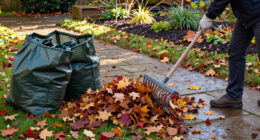
Another natural eradication method involves using horticultural oils or neem oil. These oils suffocate the pests without harming your plants when applied properly. Mix the oil with water and spray it directly onto the bulbs, paying special attention to the base and soil surface. Reapply every week or so, especially if you notice ongoing mite activity. Additionally, maintaining cleanliness around your potted plants is imperative. Remove fallen leaves, debris, and any plant material that could harbor pests. If feasible, repot your bulbs in fresh, sterile soil to break the cycle of infestation. Moreover, monitoring indoor air quality can help create an environment less conducive to pest proliferation, as pests are often sensitive to environmental changes.
Using these natural methods not only helps eliminate bulb mites but also minimizes chemical use, making it safer for your plants, yourself, and the environment. Consistency is key; monitoring your bulbs regularly and acting promptly when you see early signs of pests can save your plants from severe damage. By paying close attention to mite identification and employing natural eradication methods, you stand a good chance of keeping your potted bulbs healthy and free from these tiny, destructive pests.
As an affiliate, we earn on qualifying purchases.
Frequently Asked Questions
How Do Bulb Mites Spread Between Different Plant Species?
You can spread bulb mites between different plant species through cross contamination pathways like shared tools, pots, or watering cans. Insect vector transmission also plays a role, as mites hitch rides on insects that visit multiple plants. To prevent this, avoid reusing contaminated tools, keep plants separate, and control insect pests, reducing the chances of mites moving from one species to another and causing infestations.
Are Bulb Mites Harmful to Humans or Pets?
Bulb mites aren’t harmful to your human health or pets, so you don’t need to worry about safety risks. They don’t bite, transmit diseases, or cause allergic reactions in people or animals. Instead, their main concern is plant health, affecting bulbs and roots. While they pose no direct threat to you or your pets, maintaining good plant hygiene and proper watering helps prevent infestations and keeps your home safe and healthy.
What Are Natural Predators of Bulb Mites?
You can use biological control by introducing predator species that naturally feed on bulb mites. These predator species, such as certain predatory mites or nematodes, help reduce mite populations without chemicals. To effectively manage your bulb mite problem, make certain you select predator species compatible with your plant environment. Regularly monitor your bulbs to see if these biological control agents are working and adjust your approach if needed.
Can Bulb Mites Survive in Outdoor Garden Soil?
The ball’s in your court; bulb mites can survive in outdoor garden soil, especially during warm, moist conditions. They go through a lifecycle that includes eggs, larvae, and adults, making outdoor environments a potential habitat. To keep them at bay, use natural mite control methods like beneficial nematodes or soil amendments. Regularly inspect your plants, and you’ll reduce their chances of establishing a foothold in your garden.
How Long Does It Take to Eliminate Bulb Mite Infestations?
It typically takes a few weeks to eliminate bulb mite infestations. You should apply chemical treatments, such as miticides, according to the label instructions and repeat as needed. Incorporate biological control options like predatory mites or beneficial nematodes to help reduce the population naturally. Consistent monitoring and treatment are key; with persistence, you can effectively control the mites and protect your bulbs from damage.
predatory mites for pest control
As an affiliate, we earn on qualifying purchases.
As an affiliate, we earn on qualifying purchases.
Conclusion
So, now that you know how bulb mites can sneak into your potted bulbs, isn’t it worth taking a few simple steps to protect them? Regular inspection, proper watering, and good hygiene can make all the difference. After all, wouldn’t you rather enjoy your beautiful blooms without pesky mites ruining the show? With a little effort, you can keep your bulbs healthy and thriving. Ready to give your plants the best care?
horticultural oil spray for plants
As an affiliate, we earn on qualifying purchases.
As an affiliate, we earn on qualifying purchases.
bulb mite inspection magnifying glass
As an affiliate, we earn on qualifying purchases.
As an affiliate, we earn on qualifying purchases.
Fall Picks
fall essentials
As an affiliate, we earn on qualifying purchases.