
Solarization and occultation are eco-friendly techniques you can use to control weeds and pests naturally. Solarization involves covering soil with clear plastic to trap heat, killing weed seeds, larvae, and pathogens effectively. Occultation uses opaque materials like black plastic or organic mulches to block sunlight and prevent weed germination. Combining these methods with crop rotation enhances pest suppression and soil health. To discover more about how these techniques work together, keep exploring these sustainable practices.
Key Takeaways
- Solarization uses clear plastic covers to trap solar heat, raising soil temperatures to eliminate weeds, pests, and pathogens naturally.
- Occultation involves covering soil with opaque materials like black plastic or organic mulches to block sunlight and prevent weed seed germination.
- Combining solarization with crop rotation enhances pest and disease control while maintaining soil health and fertility.
- Proper timing during hot months and adequate coverage duration maximize solarization and occultation effectiveness.
- These techniques reduce reliance on chemicals, promote microbial activity, and support sustainable weed and pest management.

Solarization and occultation are effective, environmentally friendly methods for controlling weeds and pests in agricultural and horticultural settings. These techniques harness the power of heat and light to eradicate unwanted organisms, reducing the need for chemical herbicides and pesticides. As you implement solarization, you cover the soil with clear plastic, trapping solar energy and raising soil temperatures to levels that kill weed seeds, larvae, and pathogens. This process not only suppresses pests but also benefits soil health by breaking disease cycles and improving microbial activity. Unlike chemical treatments, solarization preserves the soil’s natural structure and nutrients, making it a sustainable choice for long-term crop production.
Solarization uses heat and light to naturally control weeds and pests while promoting healthy soil.
When you use solarization, it’s important to contemplate your crop rotation strategy. Rotating crops helps prevent the buildup of pests and diseases that might survive the heat treatment, ensuring the effectiveness of solarization over multiple growing seasons. By alternating plants with different pest and disease susceptibilities, you can maintain a healthier soil environment and reduce the likelihood of resistance developing. Crop rotation also encourages diverse microbial populations, which contribute to soil fertility and resilience. Combining this practice with solarization ensures you’re tackling pests both physically and biologically, creating a more balanced and sustainable system.
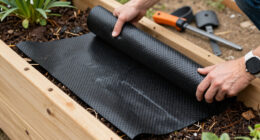
Occultation, on the other hand, involves covering the soil with opaque materials such as black plastic or organic mulches to block sunlight. This method suppresses weed growth by depriving seeds of the light they need to germinate. It’s particularly effective in early spring or fall, when weeds are just beginning to sprout. By preventing weed emergence, occultation reduces the reliance on mechanical or chemical weed control, and helps maintain soil integrity. Additionally, covering soil with organic mulches can add organic matter as it decomposes, further enhancing soil health and supporting healthy crop development in subsequent planting cycles.
Both solarization and occultation emphasize the importance of timing and proper coverage. You need to plan these methods when soil temperatures are ideal for weed and pest eradication, typically during the hottest months of the year. Ensuring the plastic or cover remains in place for the right duration maximizes effectiveness. When you combine these techniques with practices like crop rotation, you reinforce pest suppression and promote a resilient, healthy soil ecosystem. This integrated approach not only reduces chemical inputs but also fosters sustainable agricultural practices that protect the environment while maintaining productive, healthy crops.

Ez4garden 6 mil Greenhouse Plastic Clear Film Mulch UV Resistant, Plant Cover&Frost Blanket for Season Extension,20x10ft(6x3m)
- Material: Polyethylene for durability and toughness
- Light Transmission: High light transmission for plant growth
- UV Resistance: UV stabilized for year-round use
As an affiliate, we earn on qualifying purchases.
As an affiliate, we earn on qualifying purchases.
Frequently Asked Questions
How Long Does Solarization Typically Take to Control Weeds?
You can usually see weed control results within 4 to 6 weeks of solarization, depending on soil temperature and weed type. When the soil reaches 130-140°F, weeds start to die off. Using a solar panel-powered plastic sheet accelerates this process by maintaining consistent heat. Make sure to keep the soil moist and cover it tightly to trap heat, ensuring effective weed suppression within this timeframe.
Are There Specific Soil Types Better Suited for Occultation?
Oh, sure, just toss your occultation plans on any soil and hope for the best! In reality, you’ll find that sandy soils with good moisture levels are ideal, because they heat up and trap heat better. Avoid heavy clay or overly dry soils, which resist heating. So, check your soil composition and moisture levels first—otherwise, your weed suppression efforts might be as effective as a screen door on a submarine.
Can Solarization Be Combined With Other Pest Management Methods?
Yes, you can combine solarization with other pest management methods for better results. Integrated techniques, like biological controls, enhance pest suppression alongside solarization’s heat treatment. You might introduce beneficial insects or microbes after solarization to target remaining pests or weeds. This integrated approach reduces reliance on chemicals, promotes sustainable farming, and improves long-term pest management. By combining methods, you create a more effective, environmentally friendly strategy tailored to your specific needs.
What Are the Environmental Impacts of Solarization and Occultation?
Think of solarization and occultation as gentle gardeners tending your soil’s health. These methods have minimal environmental impacts, helping preserve biodiversity and improve soil health by reducing chemical use. They don’t introduce harmful substances, making them eco-friendly choices. However, they might temporarily disrupt some soil organisms. Overall, they promote a balanced ecosystem, supporting sustainable farming while safeguarding your land’s natural harmony.
Is Solarization Effective Against All Weed and Pest Species?
Solarization isn’t effective against all weed and pest species because of species variability and soil adaptability. Some weeds and pests have tough seeds or life stages that withstand high temperatures, making solarization less effective. Additionally, soil type and moisture levels influence heat penetration, so results vary. You’ll find it works best on certain species, but for others, combining methods might be necessary to guarantee thorough control.
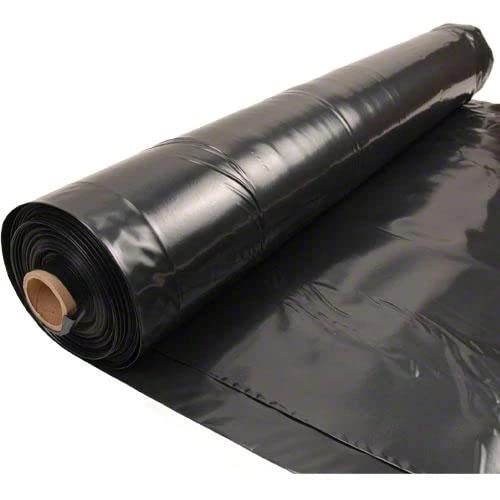
Rocky Mountain Goods 4 Mil Black Plastic Sheeting (6 FT X 100 FT) – Roll of Heavy Duty Thick Plastic for Gardening, Weeds, Yard, Landscaping, Barrier, Under House – Multi Use Polyethylene
- Durable 4 mil plastic sheeting: Heavy duty and long-lasting
- Ideal for gardening and landscaping: Perfect thickness for yard use
- Multi-purpose for DIY and commercial projects: Versatile polyethylene roll
As an affiliate, we earn on qualifying purchases.
As an affiliate, we earn on qualifying purchases.
Conclusion
Think of solarization and occultation as your shield and sword against weeds and pests. By harnessing the sun’s power, you illuminate and trap unwanted invaders, turning your soil into a battleground they can’t survive. With these techniques, you’re planting seeds of a healthier, pest-free garden—like a gardener wielding the sun’s fiery sword, you clear the way for your plants to thrive. Embrace these methods, and watch your garden flourish with resilience.

SGTM Living Mulch Organic 4 Quart
- Water Conservation: Retains soil moisture to reduce watering
- Weed Suppression: Crowds out weeds naturally
- Soil Health Improvement: Enhances soil fertility and structure
As an affiliate, we earn on qualifying purchases.
As an affiliate, we earn on qualifying purchases.

Rapitest Soil Test Kit for Gardens, Vegetables, Flowers and Lawns. USA designed and assembled soil tester completely, quickly and accurately measures/analyzes soil pH acidity and garden nutrients.
- Quick at-home soil pH testing: Measures soil pH, Nitrogen, Phosphorous, Potash
- Easy-to-use capsule system: Innovative and inexpensive testing method
- Includes 20 tests: 5 tests each for pH, N, P, K
As an affiliate, we earn on qualifying purchases.
As an affiliate, we earn on qualifying purchases.