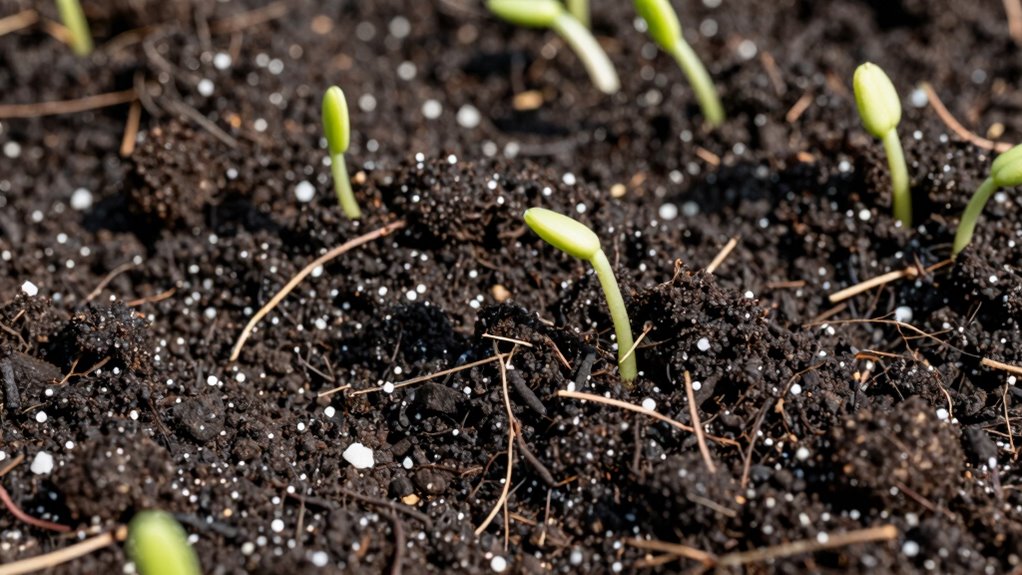

Even if your soil looks rich, dark, and crumbly, it might hide issues that weaken your plants. Surface appearance doesn’t guarantee good health; underlying problems like poor aeration, compact structure, or low microbial activity can limit nutrient uptake and root growth. Overwatering and chemicals can harm beneficial microbes essential for nutrition. To truly support strong plants, focus on improving soil structure, aeration, and microbial diversity. Keep exploring to uncover how you can enhance your soil’s true vitality.

Get garden gear delivered free — and shop member deals
- Fast, free delivery on millions of items
- Access to Prime Big Deal Days deals on October 6–7
- Prime Video, Amazon Music and more included
Key Takeaways
- Visual soil quality doesn’t indicate its underlying microbial activity or nutrient content.
- Compact or poorly structured soil limits oxygen flow, harming root health despite a good appearance.
- Excessive chemicals or overwatering can suppress beneficial microbes essential for plant growth.
- Soil may look healthy but lack proper porosity, reducing water drainage and aeration.
- Strong-looking soil can be deficient in microbial diversity, essential for nutrient release and plant vigor.
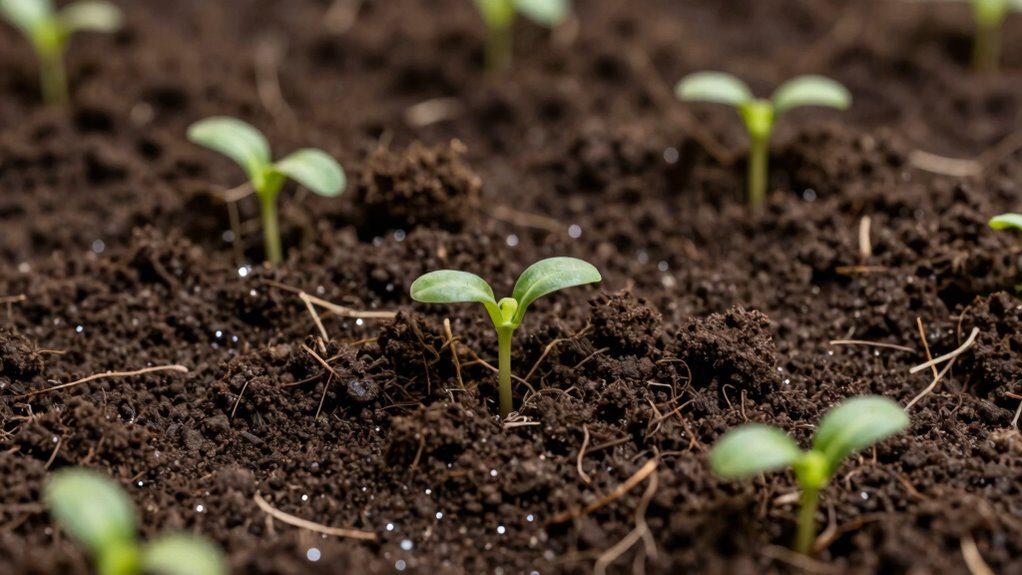
Even if your soil looks perfect—rich, dark, and crumbly—it doesn’t necessarily mean your plants will thrive. Looks can be deceiving. The health of your soil depends on more than just its appearance. Two crucial factors often overlooked are soil aeration and microbial activity. If these aren’t in balance, your plants might struggle, even in seemingly ideal soil.
Healthy-looking soil can hide underlying issues; focus on aeration and microbes for thriving plants.
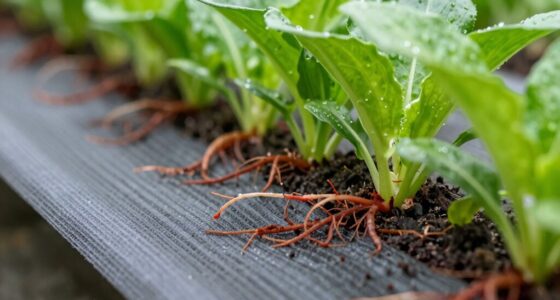
Soil aeration is about ensuring oxygen reaches the roots. When soil is compacted or lacks proper structure, oxygen can’t penetrate effectively. Without enough oxygen, roots can’t breathe, which hampers nutrient uptake and stunts plant growth. You might think your soil is good because it feels loose, but if it’s packed tightly or has poor drainage, aeration is compromised. Regularly loosening the soil or incorporating organic matter can improve airflow and help roots breathe easier. Maintaining proper soil structure is essential for promoting healthy root development. Additionally, improving soil porosity can facilitate better aeration and water movement.
Microbial activity also plays a vital role in plant health. Tiny microbes, including bacteria and fungi, break down organic matter, releasing nutrients that plants need to grow strong. When microbial activity is active and balanced, it creates a thriving environment for roots to access essential nutrients. But if the soil is sterile or has been over-processed with chemicals, these beneficial microbes can diminish, leaving nutrients locked away and unavailable. You might see rich soil but lack the microbial diversity necessary to support vigorous plant growth. Additionally, soil microbial diversity is essential for maintaining resilient and sustainable soil ecosystems, which directly influences microbial populations and activity levels.
Poor microbial activity often results from overwatering, excessive use of chemical fertilizers, or prolonged drought. These conditions can create a hostile environment for microbes, reducing their populations and activity levels. To promote microbial health, consider adding compost, organic matter, or microbial inoculants to your soil. These amendments support a diverse microbial community, which in turn boosts nutrient availability and plant vigor. Additionally, soil microbiome diversity is a key factor that ensures a balanced and resilient microbial community, ultimately supporting healthier plant growth. Ensuring balanced moisture levels and minimizing chemical inputs can help maintain this vital microbial balance.
As an affiliate, we earn on qualifying purchases.
Frequently Asked Questions
Can Soil Appearance Hide Underlying Nutrient Deficiencies?
Yes, soil appearance can hide nutrient deficiencies. You might see healthy-looking soil with a good surface texture, but it could lack essential nutrients beneath the surface. Visual appearance doesn’t reveal everything about soil health, so you shouldn’t judge solely by how it looks. Conducting soil tests is the best way to uncover hidden deficiencies, ensuring your plants get the nutrients they need to grow strong and healthy.
How Does Soil pH Affect Plant Strength?
Did you know that about 30% of plants struggle because of improper soil pH? Soil pH greatly affects plant strength by influencing nutrient availability. If the pH is too acidic or alkaline, essential nutrients like nitrogen, phosphorus, and potassium become less accessible, leading to weak growth. Maintaining the correct soil pH guarantees ideal nutrient balance, helping your plants develop strong roots, vibrant foliage, and overall health.
Do Soil Pests Impact Plant Growth Despite Good Soil Quality?
Yes, soil pests can impact plant growth even if your soil looks healthy. Pests can cause damage directly or introduce soil contamination, weakening your plants. Despite good soil quality, pests may develop pest resistance, making them harder to control. This resistance allows pests to survive treatments, continue damaging roots, and hinder nutrient uptake, resulting in weak plants. Regular pest management and monitoring are essential to maintain healthy, thriving plants.
Is Soil Compaction a Hidden Issue in Healthy-Looking Soil?
Yes, soil compaction can be a hidden issue in healthy-looking soil. You might not see it, but compaction layers reduce soil aeration, making it harder for roots to access oxygen and water. This can weaken your plants despite their seemingly good environment. To check, gently loosen the soil and improve aeration by tilling or adding organic matter. Addressing compaction helps your plants grow stronger and healthier.
Can Overwatering Damage Plants Even With Perfect Soil?
Think of overwatering as a silent thief, quietly damaging your plants despite perfect soil. It disrupts root health and throws off water balance, leading roots to drown or rot. Even if your soil looks flawless, too much water suffocates roots, preventing them from absorbing essential nutrients. To keep your plants strong, guarantee proper watering—balance is key. Proper water management protects root health and promotes healthy, resilient growth.
As an affiliate, we earn on qualifying purchases.
Conclusion
Even if your soil looks flawless, don’t be fooled—beauty isn’t always strength. Think of it like a shiny apple that’s rotten inside; appearances can deceive. To grow strong, healthy plants, you need more than just a pretty surface. Test your soil’s nutrients, check its health, and nurture it with care. Only then can your plants truly thrive, reaching their full potential like a mighty tree rooted in rich, life-giving earth.
As an affiliate, we earn on qualifying purchases.
soil structure improvement products
As an affiliate, we earn on qualifying purchases.
As an affiliate, we earn on qualifying purchases.
Halloween Picks
halloween
As an affiliate, we earn on qualifying purchases.