TL;DR
This article highlights 11 purple flowers that bloom throughout summer with little care. They are drought-tolerant, low-maintenance, and attract pollinators, making them ideal for effortless gardening.
Gardening experts have identified 11 purple flowers that bloom continuously throughout summer with minimal care, offering an easy way for gardeners to add color and attract pollinators without extensive effort.
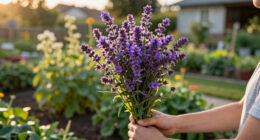
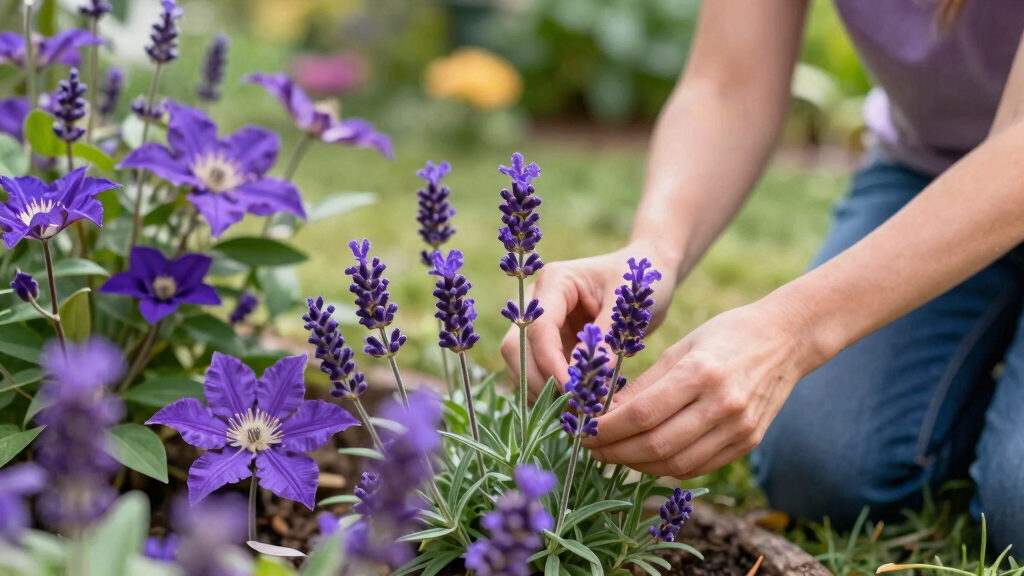
According to Gardening Know How, these plants include lavender, Russian sage, salvia, clematis ‘Diamantina’, agastache, and bee balm, among others. Many of these varieties are drought-tolerant, thrive in full sun, and can withstand heat and dry spells once established. For example, lavender prefers well-draining soil and full sun, blooming heavily with little intervention, while Russian sage offers soft, smoky-purple flowers that hover above silvery stems, creating a layered garden effect. Salvia, known for its hardy, upright spikes, attracts hummingbirds and butterflies, blooming for months if deadheaded lightly. Clematis ‘Diamantina’ produces large, double purple blooms that repeat throughout summer, suitable for training on trellises or fences. Agastache and bee balm are also highlighted as high-reward plants that support pollinators and require minimal maintenance once established.
Why It Matters
These purple flowers offer gardeners an effortless way to enhance their outdoor spaces with vibrant, long-lasting color while supporting local pollinators. Their low-maintenance nature makes them especially valuable for busy or novice gardeners seeking sustainable, attractive plants that require little intervention. Additionally, their drought tolerance and heat resilience make them suitable for regions facing water restrictions or hot summers, contributing to more sustainable gardening practices.

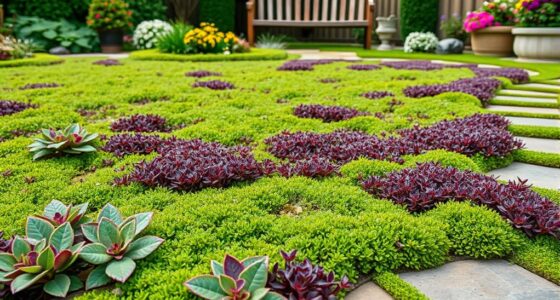
21500pcs Creeping Thyme Seeds for Planting Outdoor, Hardy Perennial Ground Cover, Fast-Growing Drought-Tolerant Herb, Fragrant Purple Flowers for Garden
Hardy Perennial Ground Cover: Creeping thyme seeds produce a low-growing, spreading plant that returns year after year, creating…
As an affiliate, we earn on qualifying purchases.
As an affiliate, we earn on qualifying purchases.
Background
These plants are part of a broader trend toward low-maintenance gardening, emphasizing drought-tolerant and easy-care perennials. Many of these varieties, such as lavender and Russian sage, have been popular for years, but recent interest has surged as gardeners seek sustainable, low-effort options that still provide aesthetic appeal and ecological benefits. The list aligns with ongoing efforts to create pollinator-friendly gardens that require less watering and chemical intervention.
“These are the blooms that keep going through heat, drought, patchy watering, and the occasional bout of complete neglect… all while feeding bees, butterflies, and other pollinators throughout summer.”
— Gardening Know How
“Many of these plants are drought-tolerant, thrive in full sun, and can withstand heat and dry spells once established.”
— Gardening Know How

Strawberry Candy Re-Blooming Daylily – Bare Root Plant, Hardy Perennial for Zone 3, Pink and Red Blooms, Low Maintenance, Ideal for Full Sun or Partial Shade, Perfect for Garden Borders & Landscapes
STUNNING PINK AND RED BLOOMS – The Strawberry Candy Daylily features unique pink petals with a striking red…
As an affiliate, we earn on qualifying purchases.
As an affiliate, we earn on qualifying purchases.
What Remains Unclear
It is not yet clear how these plants perform in all USDA zones or specific regional climates. Some vigorous growers may spread more enthusiastically in warmer regions, requiring management. Long-term performance and flowering duration beyond typical seasons are still being observed.
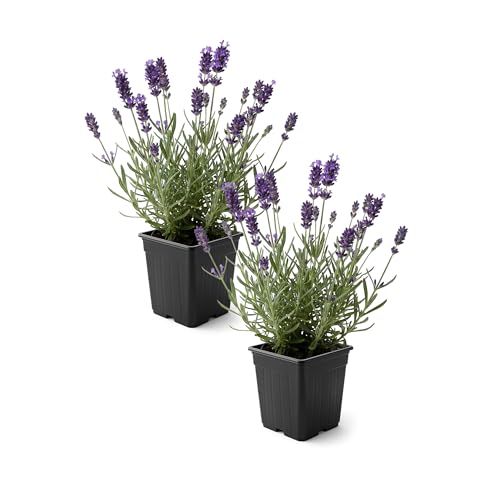
Live Lavender 2-Pack – Purple – Fragrant Sun Perennial Herb, Pollinator Friendly, 10” Tall, 1 Pt Pot
SUMMER FLOWERS: Produces classic purple blooms with a strong, soothing lavender scent.
As an affiliate, we earn on qualifying purchases.
As an affiliate, we earn on qualifying purchases.
What’s Next
Gardeners are encouraged to select plants suited to their USDA zones and local conditions. Further guidance on planting and care tips will be provided by gardening experts as these varieties are tested across different regions. Monitoring plant performance and pollinator activity will help refine best practices for low-maintenance purple gardens.
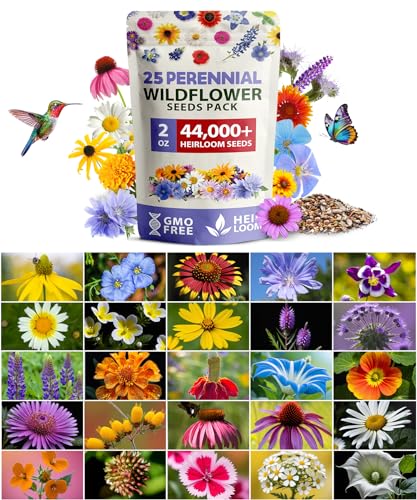
HOME GROWN USA Wildflower Seeds Bulk Mix | 44,000 Non-GMO Perennial Flower Seed for Full Sun & Shade | 19 Varieties for Butterfly & Pollinator Garden | 2 oz
Pure Seed Quality: Two ounces of premium wildflower seeds with high germination rate; Covers 250 square feet with…
As an affiliate, we earn on qualifying purchases.
As an affiliate, we earn on qualifying purchases.
Key Questions
Are these purple flowers suitable for all USDA zones?
Most of the listed plants are suitable for USDA zones 4-9, but gardeners should check specific variety requirements and local climate conditions before planting.
How much care do these plants need once established?
Once established, these plants generally require minimal watering, deadheading, and occasional pruning to maintain their flowering and health.
Do these plants attract pollinators?
Yes, many of these varieties, including lavender, salvia, and bee balm, attract bees, butterflies, and hummingbirds, supporting local ecosystems.
Can these plants spread aggressively?
Some, like bee balm, can spread more than desired if not controlled, but dividing and regular maintenance can manage their growth.
When is the best time to plant these flowers?
Spring or early summer is ideal for planting most of these perennials, allowing them to establish before the peak growing season.