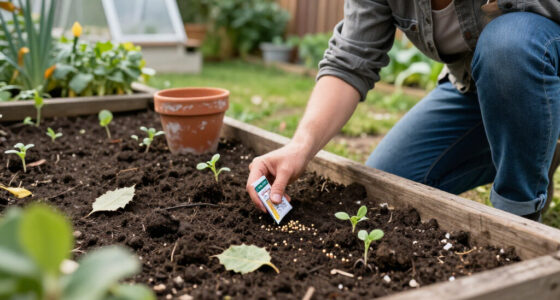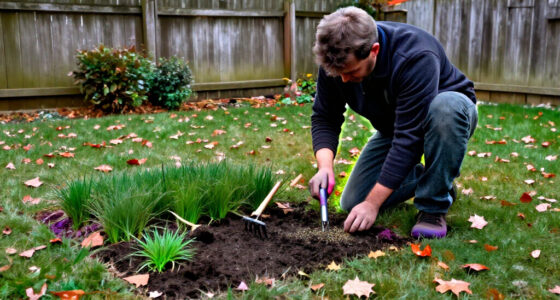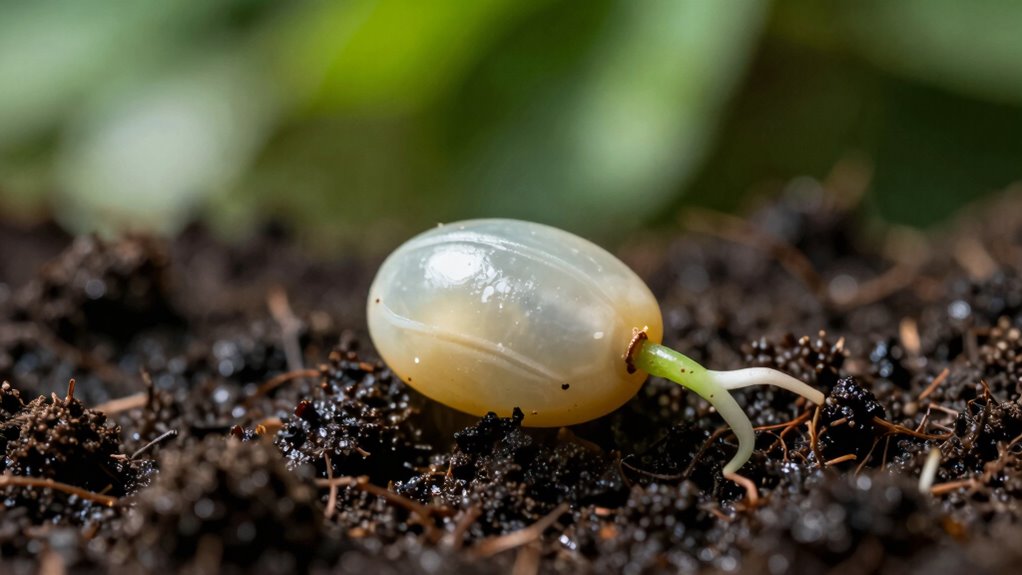

Some seeds need light to germinate because it signals they are near the surface, where conditions are right for growth. Light acts as an environmental cue, telling the seed when to break dormancy and start sprouting. Without enough light, these seeds may stay inactive or dormant underground. The quality and amount of light also influence how quickly they grow. If you want to understand how light controls germination and how to use it effectively, keep exploring the details.
Key Takeaways
- Light acts as an environmental cue signaling optimal conditions for seed germination.
- Some seeds require light to activate enzymes necessary for breaking dormancy.
- Exposure to light ensures seeds sprout near the soil surface for better survival chances.
- Light quality and wavelength influence whether a seed perceives it as a suitable cue.
- Light interacts with other factors like temperature to regulate germination timing.
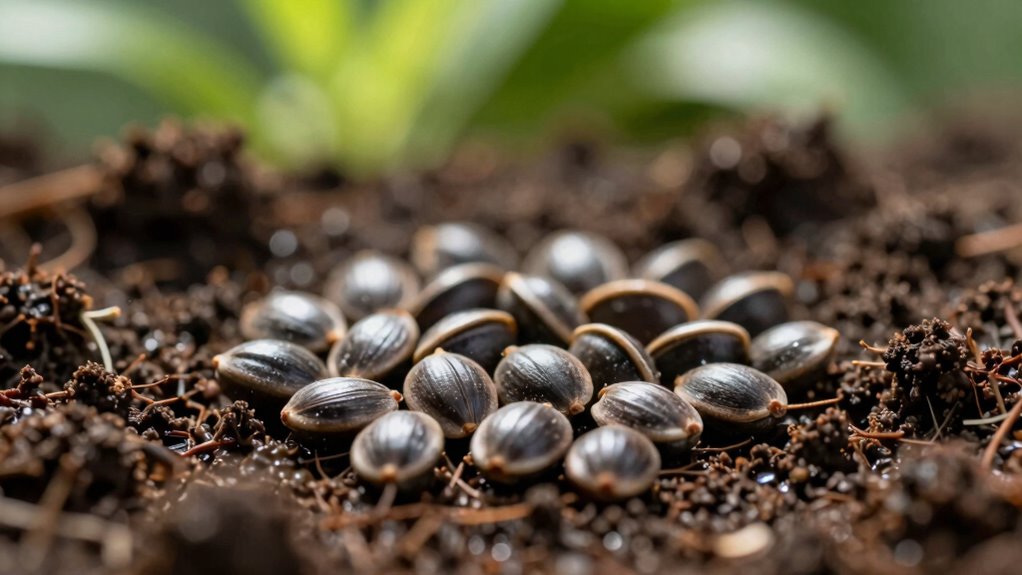
Many seeds rely on light to determine when they should germinate, making understanding light conditions vital for successful sprouting. For some seeds, the presence or absence of light acts as a signal that breaking dormancy and starting growth is appropriate. Seed dormancy is a natural mechanism that prevents seeds from sprouting prematurely, often triggered by environmental cues. In these cases, light exposure becomes a key factor; without it, the seed remains dormant and won’t initiate germination. You’ll find that many small or surface-dwelling seeds require light to break dormancy, guaranteeing they only sprout when they’re close enough to the surface for ideal growth. This strategy helps the seedling avoid darkness and competition underground, where survival chances are lower. Additionally, certain light wavelengths are more effective in signaling germination, emphasizing the importance of light quality in the process. Light intensity plays a pivotal role in this process. Seeds sensitive to light will respond differently depending on how much light they receive. For example, if a seed is exposed to sufficient light intensity, it recognizes the environment as suitable for growth. Conversely, if the light is too weak or absent, the seed remains dormant, waiting for better conditions. This sensitivity to Light intensity acts as a finely tuned control mechanism; it prevents seeds from germinating in unsuitable conditions, like deep in soil or under dense canopy cover. When light is ample, it signals that the seed has reached the surface or a position where it can grow without competition or excessive shading. Proper light exposure can also influence the speed of germination and overall seedling development. Understanding this relationship between seed dormancy and light intensity helps you predict and manipulate germination success. If you’re trying to sprout seeds that require light, guarantee they’re exposed to adequate light levels. For seeds that need light to break dormancy, placing them on or near the soil surface is essential. Keep in mind, some seeds might need a specific light wavelength or duration to trigger germination, so natural sunlight or grow lights should be used accordingly. Additionally, recognizing the environmental cues that influence seed behavior can greatly improve your germination success rate. Being aware of the role of temperature alongside light can further enhance germination outcomes, as temperature often works in tandem with light signals.
grow lights for seed germination
As an affiliate, we earn on qualifying purchases.
As an affiliate, we earn on qualifying purchases.
Frequently Asked Questions
Do All Seeds Require Light to Germinate?
Not all seeds require light to germinate. Some seeds have seed dormancy, meaning they need specific conditions like soil moisture and darkness to break dormancy before sprouting. Others, especially small seeds, need light to trigger germination. It’s essential to know your seed type because providing the right environment—whether light or darkness—can guarantee successful germination and healthy growth.
How Does Light Influence Seed Germination Speed?
Light leads to quicker, clearer germination by breaking seed dormancy and boosting growth. When light intensity increases, seeds receive a powerful push to sprout faster, especially for those needing light to germinate. Shadows slow this process, delaying development. You’ll notice that brighter light stimulates quicker sprouting, while dimmer conditions cause delays. Understanding this helps you optimize your garden’s growth, ensuring seeds receive just the right light to flourish promptly.
Can Seeds Germinate in Complete Darkness?
Seeds generally can’t germinate in complete darkness if they require light, but some have adaptations like seed dormancy that delay germination until conditions are right. In complete darkness, soil moisture plays a vital role in breaking dormancy, but without light, these seeds might not sprout even if moisture is present. So, while some seeds might start to germinate underground, many need light cues to successfully grow.
What Types of Seeds Need Light for Sprouting?
You’ll find that light-sensitive seeds, such as lettuce, tobacco, and many flowering plants, need light to break seed dormancy and sprout. These seeds require exposure to light to trigger germination, as they’re adapted to sprout near the soil surface. If you plant them too deep or keep them in darkness, they may remain dormant. Providing the right light conditions helps these seeds break dormancy and successfully sprout.
Is Artificial Light Effective for Seed Germination?
Artificial light can be effective for seed germination if it provides the right light intensity. You might think sunlight is necessary, but controlled artificial light encourages seedling development, especially indoors. By adjusting the light’s intensity and duration, you create an ideal environment for seeds that need light to sprout. This method helps you monitor and optimize germination, ensuring healthier seedlings as they develop.
seed starting trays with grow lights
As an affiliate, we earn on qualifying purchases.
As an affiliate, we earn on qualifying purchases.
Conclusion
Just like a tiny sailor needs the lighthouse to find its way, some seeds rely on light to guide their growth. Without that gentle push from the sun, they might stay dormant, waiting for the right moment. When you understand this relationship, you realize how nature’s signals help each seed find its purpose. So, think of light as the secret compass that awakens these little life explorers, leading them to blossom and thrive in the world.
full spectrum LED grow lights for seedlings
As an affiliate, we earn on qualifying purchases.
As an affiliate, we earn on qualifying purchases.
seed germination kits with light
As an affiliate, we earn on qualifying purchases.
As an affiliate, we earn on qualifying purchases.