
TL;DR

Get garden gear delivered free with Prime
- Fast, free delivery on millions of items
- Prime Video, Amazon Music and more included
- Member-only deals all year
Moles and voles are often confused but are different animals causing distinct types of damage. Correct identification is key to effective management. This article explains how to tell them apart and control their populations.
Homeowners and gardeners are increasingly seeking clarity on how to identify and manage moles and voles, as both pests cause damage but require different approaches. Recent expert guidance confirms that proper identification is essential for effective control and minimizing lawn and garden damage.
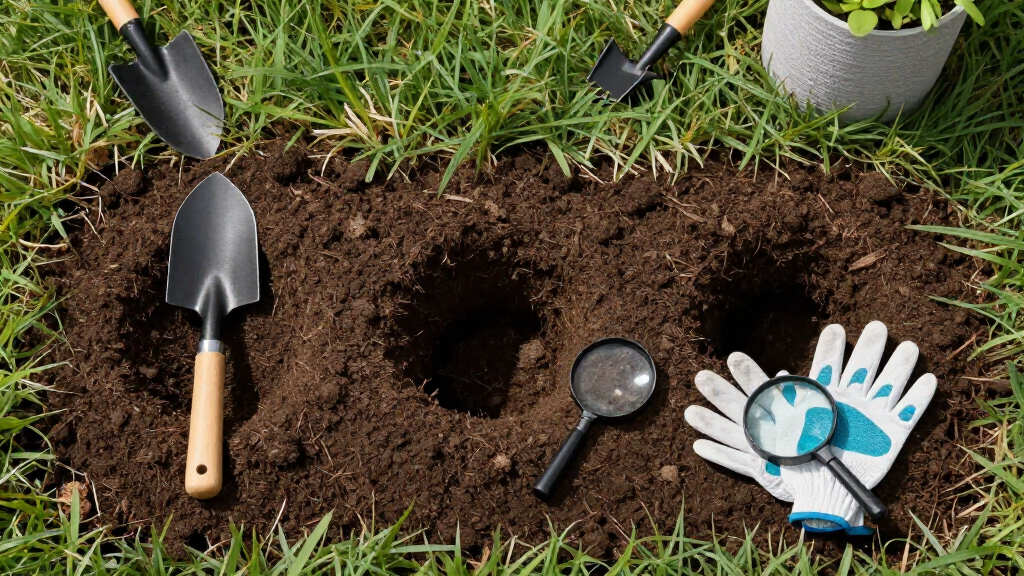
According to experts, moles are subterranean insectivores that create extensive underground tunnels, often resulting in unsightly molehills and uneven ground. They are typically 6-8 inches long with velvety gray fur and large front claws used for digging. Moles primarily feed on earthworms and other underground invertebrates, making their presence sometimes hard to detect until damage appears.
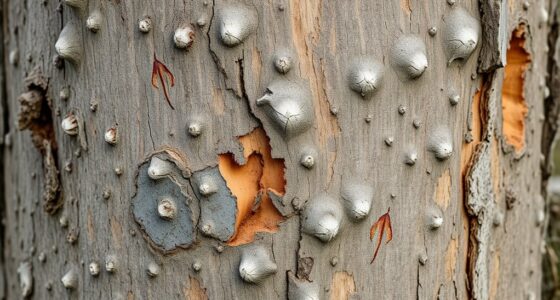
In contrast, voles are small rodents, about 3.5-5 inches long, resembling mice but with shorter legs and tails. They create visible surface pathways approximately 2 inches wide, often through grass or groundcover, and gnaw on tree trunks, shrubs, and plants. Voles are known to eat spilled birdseed and can cause damage to roots and stems, especially in the winter months when they seek food and shelter.
Management strategies differ: humane traps may help control moles, but complete eradication often requires professional pest control. Voles can be managed by lawn maintenance, removing ground cover, and cleaning up birdseed to reduce attractants. Experts emphasize that moles play a beneficial role in ecosystems, so control measures should be considered carefully.
Why Accurate Identification Affects Pest Control Success
Correctly distinguishing between moles and voles is critical because their behaviors and damage patterns demand different management approaches. Misidentification can lead to ineffective control efforts, unnecessary chemical use, or the removal of beneficial animals like moles. Understanding these differences helps homeowners implement targeted, humane, and environmentally responsible pest management strategies.
As an affiliate, we earn on qualifying purchases.
Understanding the Distinct Habitats and Damage Signs
Historically, gardeners and homeowners have struggled to tell moles and voles apart due to their similar names. Moles are subterranean animals that create extensive tunnel systems, often visible as raised ridges and molehills, especially in lawns and gardens. Voles, on the other hand, live above ground, creating surface pathways and gnawing on plants, trees, and shrubs. Their activity peaks during seasonal changes, especially in winter when food becomes scarce. Experts advise that recognizing the specific damage patterns—underground tunnels versus surface pathways—helps in identifying the pest accurately.
“Identifying whether you’re dealing with moles or voles is essential because their control methods are quite different.”
— an anonymous researcher
As an affiliate, we earn on qualifying purchases.
Unclear Aspects of Long-Term Control Effectiveness
While current methods for controlling moles and voles are recommended, the long-term effectiveness of various strategies remains uncertain. Specifically, the impact of trapping versus chemical or habitat modification approaches varies depending on local conditions and pest populations. Researchers note that more studies are needed to develop sustainable, non-lethal control options that balance pest management with ecological health.
As an affiliate, we earn on qualifying purchases.
Next Steps for Homeowners and Pest Management Experts
Experts recommend that homeowners monitor their yards closely to distinguish between mole and vole activity and adopt targeted control methods accordingly. Future developments may include improved trapping devices or biological controls. Local extension offices and pest control professionals can provide tailored advice based on specific pest behavior and environmental conditions.
As an affiliate, we earn on qualifying purchases.
Key Questions
How can I tell if I have moles or voles in my yard?
Look for underground tunnels and molehills to identify moles. Voles create surface pathways and gnaw marks on plants, trees, and shrubs. Damage patterns and physical signs help distinguish the pests.
Are moles harmful to my garden or lawn?
Moles typically do not damage plants directly but can create uneven ground and molehills that affect lawn aesthetics. They also help control soil invertebrate populations, contributing to soil health.
What are humane ways to control moles and voles?
Humane traps can be effective for moles, but complete eradication may require professional help. For voles, habitat modification, removing ground cover, and cleaning up birdseed can reduce their presence.
Can I use chemicals to get rid of these pests?
Chemical methods are generally discouraged due to environmental concerns and the beneficial role of moles. Mechanical trapping and habitat management are preferred approaches.
When should I seek professional pest control assistance?
If damage persists despite DIY efforts or if you are unsure about which pest you are dealing with, consult local pest control experts or extension services for tailored advice.
Source: rss
Columbus Day / Indigenous Peoples' Day Picks
long weekend sales
As an affiliate, we earn on qualifying purchases.