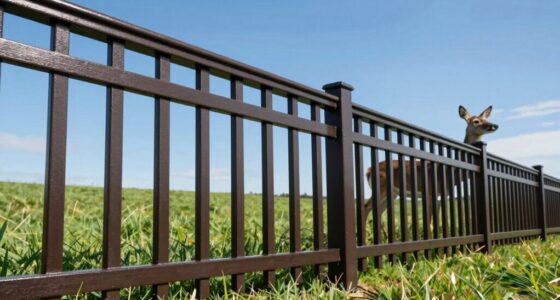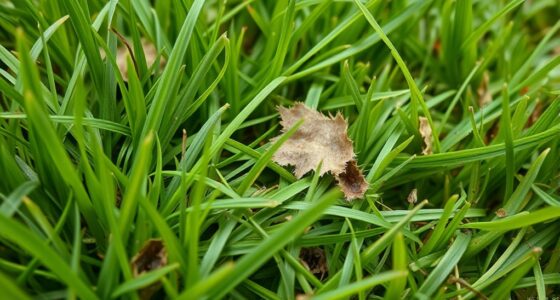

To identify deer browse pressure patterns, observe signs like clipped foliage, missing shoots, and damaged young plants, especially in favored habitats such as forest edges and clearings. Pay attention to seasonal changes—more damage tends to occur in winter when forage is scarce, and browsing is concentrated in accessible areas. Understanding how habitat and season influence deer behavior can help you anticipate high-pressure zones; more tips await if you keep exploring.

Get garden gear delivered free with Prime
- Fast, free delivery on millions of items
- Prime Video, Amazon Music and more included
- Member-only deals all year
Key Takeaways
- Heavy browsing occurs on young trees and shrubs, causing visible damage like clipped foliage and missing shoots.
- Deer prefer habitats offering cover and food, such as forest edges and riparian zones, leading to concentrated damage.
- Seasonal changes influence browsing patterns, with dispersed feeding in spring/summer and concentrated feeding in fall/winter.
- During winter, deer focus on accessible, nutrient-rich vegetation in specific habitats due to limited forage.
- Monitoring habitat use and seasonal damage helps identify high-pressure areas for targeted management strategies.
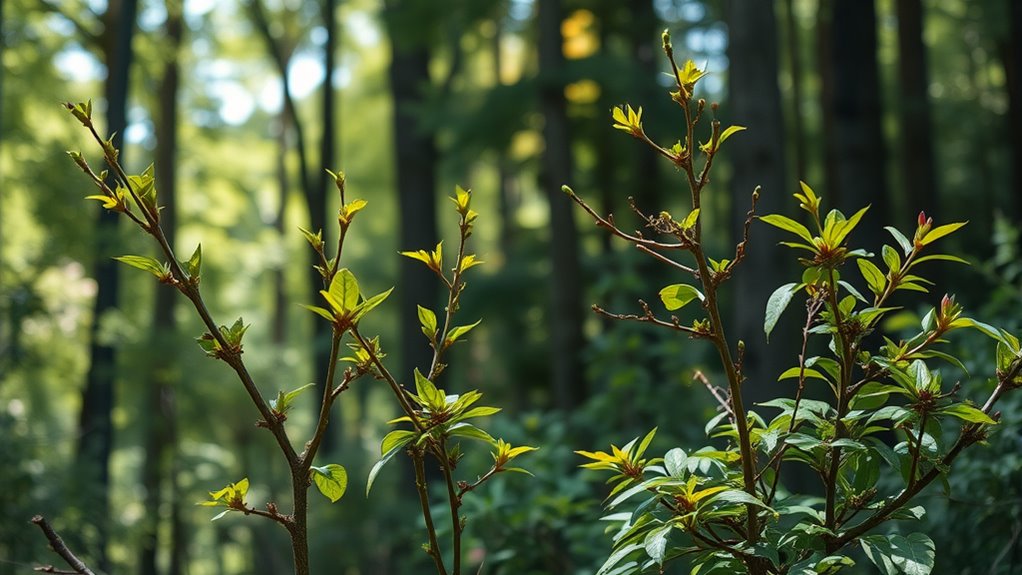
Deer browse pressure occurs when deer heavily feed on young trees, shrubs, and other vegetation, often leading to damage that can hinder forest regeneration. To understand this better, you need to consider how deer choose their feeding sites, which is largely influenced by their habitat preferences and the seasonal variations that affect food availability. Deer tend to favor habitats that offer a mix of cover and food sources, such as forest edges, clearings, and riparian zones. These areas provide safety from predators while offering a variety of nutritious plants. When browsing pressure is high, you’ll notice that young saplings in these preferred habitats show signs of heavy feeding, with clipped foliage or missing shoots. Recognizing these patterns helps you predict where deer are most likely to cause damage.
Seasonal variations play a significant role in deer browsing behavior. During the spring and summer, when plants are lush and abundant, deer may focus on specific high-quality forage, but their browsing tends to be more dispersed because food is plentiful. As the seasons shift to fall and winter, the landscape changes dramatically—many plants become less accessible or go dormant, forcing deer to concentrate their feeding on the remaining accessible, nutrient-rich vegetation. During these colder months, you’ll see intensified browsing on the young trees and shrubs that still provide nourishment, especially in habitats where alternative food sources are scarce. This seasonal shift increases the severity of browse pressure, often resulting in significant damage to seedlings and saplings that are vital for forest regeneration. Additionally, habitat quality significantly influences the intensity of browsing, as deer are more likely to feed heavily in areas with optimal resources.
Understanding the interplay between habitat preferences and seasonal variations allows you to better anticipate deer impacts on vegetation. For instance, if you notice a concentration of browsing in forest edges during late winter, it’s likely because deer are seeking out the remaining browse in these accessible habitats. Conversely, in spring and summer, damage might be more evenly spread across various habitat types, reflecting the availability of diverse forage. Recognizing these patterns enables you to implement targeted management strategies, such as protective fencing or habitat modifications, during times and in places where deer browsing is most intense. By paying attention to how deer select their habitats and how their feeding habits change with the seasons, you can help mitigate browse damage and support healthier forest regeneration.
As an affiliate, we earn on qualifying purchases.
Frequently Asked Questions
How Can I Differentiate Deer Browse From Other Herbivores?
You can differentiate deer browse from other herbivores by examining plant damage and feeding signs. Deer typically leave jagged, uneven edges on leaves and twigs, with bark stripping on young trees. Look for specific signs like hoof prints, and compare damage patterns—deer often target tender new growth. By noting these distinctive feeding signs and plant damage, you can accurately identify whether deer or other herbivores caused the browse.
What Signs Indicate High Deer Browse Pressure in an Area?
Ironically, signs of overgrazing often scream “deer here!” You’ll notice a consistent browse line height, usually around 3-4 feet, where young shoots are regularly clipped. Look for a lack of understory growth, heavily nibbled shrubs, and sparse vegetation. These signs suggest high deer browse pressure, indicating their frequent foraging. When plants can’t regenerate, it’s a clear warning of overgrazing caused by too many deer in the area.
Are There Specific Plant Species More Vulnerable to Deer Browsing?
Certain plant species are more vulnerable to deer browsing because of their palatability and low defense mechanisms. You’ll notice browse indicators like missing leaves or stems on plants such as young shrubs, new growth on woody plants, and tender herbaceous plants. These signs reveal plant vulnerability, helping you identify areas with high deer browse pressure. Recognizing these susceptible species allows you to better manage and protect your landscape from deer damage.
How Does Seasonal Change Affect Deer Browse Patterns?
As winter foraging and seasonal migration shift, deer browse patterns change dramatically. During colder months, you’ll notice deer prefer woody plants and bark, seeking nourishment when foliage is scarce. In warmer seasons, they browse more on tender, leafy plants. These seasonal variations influence where and what they feed on, making it essential for you to observe how their patterns adapt throughout the year, especially during migrations and winter foraging periods.
Can Deer Browse Pressure Impact Local Plant Biodiversity?
Deer browse pressure can markedly impact local plant biodiversity by selectively feeding on certain species, which may reduce their populations over time. This can lead to decreased plant diversity and disrupt ecosystem health, as the balance of native plants shifts. When deer heavily browse, it hampers the growth of some plants, allowing less palatable species to dominate, ultimately threatening the overall resilience and stability of the local ecosystem.
As an affiliate, we earn on qualifying purchases.
Conclusion
Understanding deer browse pressure helps you recognize their impact on your landscape. Did you know that in some areas, deer can browse up to 20% of available woody plants annually? By identifying patterns, you can better protect your plants and manage deer populations effectively. Keep an eye on their browsing habits, and you’ll enjoy a healthier, more balanced environment. Taking these steps guarantees you stay ahead of their influence and preserve your outdoor space.
deer resistant plants for landscaping
As an affiliate, we earn on qualifying purchases.
As an affiliate, we earn on qualifying purchases.
deer browse pressure monitoring tools
As an affiliate, we earn on qualifying purchases.
As an affiliate, we earn on qualifying purchases.
Fall yard work Picks
leaf blowers
As an affiliate, we earn on qualifying purchases.