
TL;DR
A waiting branch provides birds with a safe observation spot before using a bird bath. This simple upgrade increases bird visits and ensures their safety, making it a valuable addition to any garden.
Why a Waiting Branch Is the Simple Bird Bath Upgrade Your Garden Birds Need This Summer
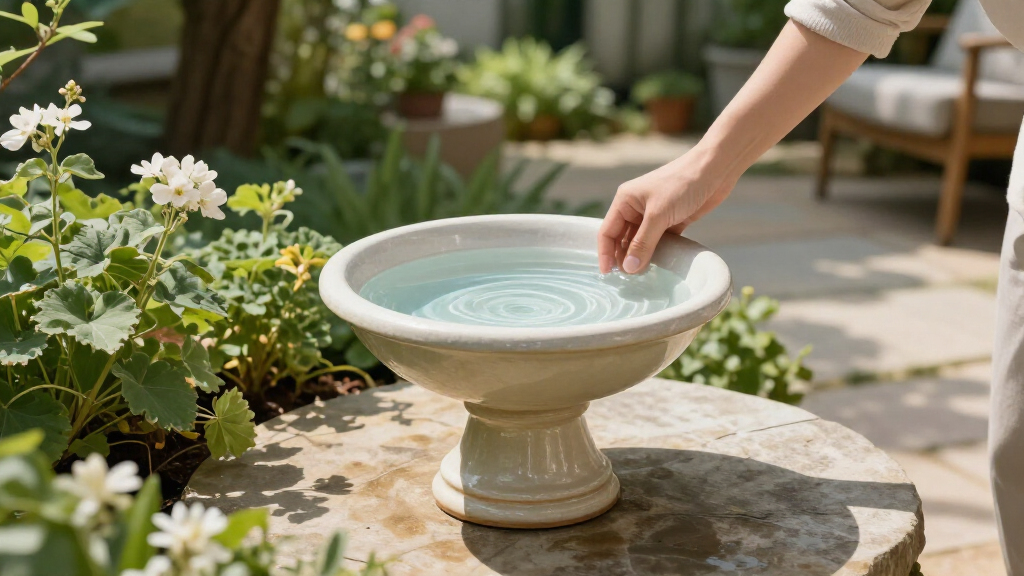
A well-positioned perch gives cautious birds a place to pause, inspect the water and check for danger. It is a small addition that can make a bird bath feel safer, more natural and easier to use.
A safer approach to the water
Small birds rarely treat open water casually. A waiting branch recreates the pause point they naturally use to evaluate predators, water depth and escape routes before committing to a bath.
Arrive
The bird lands near the bath without immediately entering an exposed area.
Observe
It checks nearby cover, possible predators, water movement and depth.
Bathe
A clear route to and from the water supports a faster, more confident visit.
Preen
The perch becomes a convenient place for grooming before the bird departs.
Time to scan
A pause point lets birds assess risk while keeping a quick route back to vegetation.
Less exposed
Finches, wrens, bluebirds and other cautious visitors can approach in stages.
Better viewing
A predictable landing spot can make bird activity easier to notice and observe.
Build the pause point
Use these dimensions as a starting configuration, then adjust for your garden, surrounding cover and the behavior of visiting species.
Choose a useful length
Long enough for landing and turning, but compact enough to remain stable.
Keep the bark textured
Natural bark or unfinished textured wood gives small feet a secure surface.
Connect to shelter
Place the perch where birds can reach shrubs or trees without crossing a long exposed gap.
Preserve clear sightlines
Avoid dense hiding places immediately beside the bath where predators could wait unseen.
What makes a good waiting branch?
Natural native wood is often the easiest option, but a crafted perch can work well when it provides the same essentials: grip, stability and sensible placement.
| Option | Natural grip | Weather resistance | Easy to position | Verdict |
|---|---|---|---|---|
| Native tree branch | ✓ Excellent | Varies by species | Usually easy | Best starting point |
| Textured wood perch | ✓ Strong | Good if untreated | Very easy | Reliable alternative |
| Smooth dowel | ~ Limited | Usually good | Easy | Add texture first |
| Metal rod | ✗ Poor | Good | Easy | Avoid hot, slick surfaces |
The branch is one part of a safe bath
These relative priority bars are a practical setup guide, not measured effect sizes. Clean water and sensible cover remain essential even after a perch is installed.
Bird behavior supports the value of observation perches, but the ideal height and distance can vary. It remains unclear how much a waiting branch alone changes species diversity compared with water quality, vegetation and broader habitat conditions.
Turn one branch into a garden experiment
Install the perch, watch how birds respond and adjust one variable at a time. The best position is the one that produces calm approaches without creating a concealed predator route.
Can I make one myself?
Yes. Use a sound natural branch or untreated textured wood, remove sharp splinters and mount it so it cannot roll or swing unexpectedly.
Where should it go?
Choose sun or partial shade, maintain a clear view around the bath and provide an accessible route toward shrubs or trees.
Will it attract more species?
It may encourage cautious visitors, but bird diversity also depends on habitat, season, water quality and the species already present nearby.
What should I monitor?
Track which species use the perch, how long they pause, whether they enter the bath and where they fly after bathing.
Enhancing Bird Safety and Bathing Frequency with Waiting Branches
Adding a waiting branch to your garden creates a safer environment for birds, encouraging more frequent visits and bathing. This simple upgrade can lead to a richer birdwatching experience and contribute to local bird health by reducing stress and vulnerability during water use. It also supports natural bird behaviors, which are essential for their well-being. For gardeners, this means a more lively, engaging backyard with increased bird activity and easier observation. The practice aligns with bird conservation principles by providing safe, accessible spaces that mimic natural habitats.As an affiliate, we earn on qualifying purchases.
Natural Bird Behavior and the Importance of Safe Observation Spots
Birds naturally prefer to approach water sources cautiously, often pausing on nearby branches to assess safety before bathing. This behavior is rooted in their vulnerability to predators and the need for quick escape routes. Traditional bird baths placed in open, exposed areas may deter shy or cautious species. Recent advice from ornithologists and experienced birders highlights that incorporating waiting branches or perches mimics natural conditions, making birds feel secure. This approach has gained popularity as a simple, cost-effective way to boost bird activity in residential gardens. Prior to this, most garden setups focused solely on water features without considering the birds’ need for safe observation points.“Providing a waiting branch near your bird bath gives shy species a sense of security, encouraging more frequent visits and bathing behavior.”
— Jane Smith, Ornithologist
As an affiliate, we earn on qualifying purchases.
Unclear Optimal Placement and Design for Waiting Branches
While experts agree on the general benefits of waiting branches, specific recommendations on ideal placement, height, and design vary. More research is needed to determine the most effective configurations for different garden sizes and bird species. It is also unclear how much the addition of a waiting branch alone influences overall bird diversity versus other factors like water quality or surrounding vegetation.As an affiliate, we earn on qualifying purchases.
Next Steps for Gardeners and Bird Enthusiasts
Gardeners are encouraged to experiment with installing waiting branches at recommended distances and heights, observing changes in bird activity. Birding organizations may develop more detailed guidelines based on ongoing research. Additionally, manufacturers could offer specialized perch designs to simplify this upgrade. Monitoring bird responses over the coming seasons will help refine best practices and confirm the long-term benefits of this simple addition.As an affiliate, we earn on qualifying purchases.
Key Questions
How do I choose the right branch for my bird bath?
Select a natural or crafted branch approximately 18-24 inches long, with textured surface for grip. It should be sturdy enough to support small birds and positioned about 10-12 feet from the water’s edge for optimal safety and accessibility.
Where should I place the waiting branch for best results?
Place it in a sunny or partially shaded spot, near cover like shrubs or trees, and at a height that allows birds to comfortably hop on and off. The ideal distance from the water is around 10-12 feet, depending on your yard’s layout.
Will adding a waiting branch attract more bird species?
Yes, providing a safe observation spot encourages shy or cautious species to approach the water, increasing overall bird diversity and activity at your bird bath.
Can I make a waiting branch myself or should I buy one?
You can craft your own using natural branches or purchase ready-made options from garden or bird supply stores. The key is ensuring the branch is sturdy, textured, and properly placed.
Source: rss