
TL;DR
Gardeners are encouraged to let six popular perennials grow more naturally, as this can improve their appearance and resilience. Experts say neglecting some trimming benefits the plants, creating a more attractive and sustainable garden.
Gardening experts are now recommending that gardeners allow six popular perennials to grow more naturally, rather than constantly trimming and tidying them. This approach is said to improve the plants’ appearance and overall health, offering a new perspective on traditional garden maintenance.
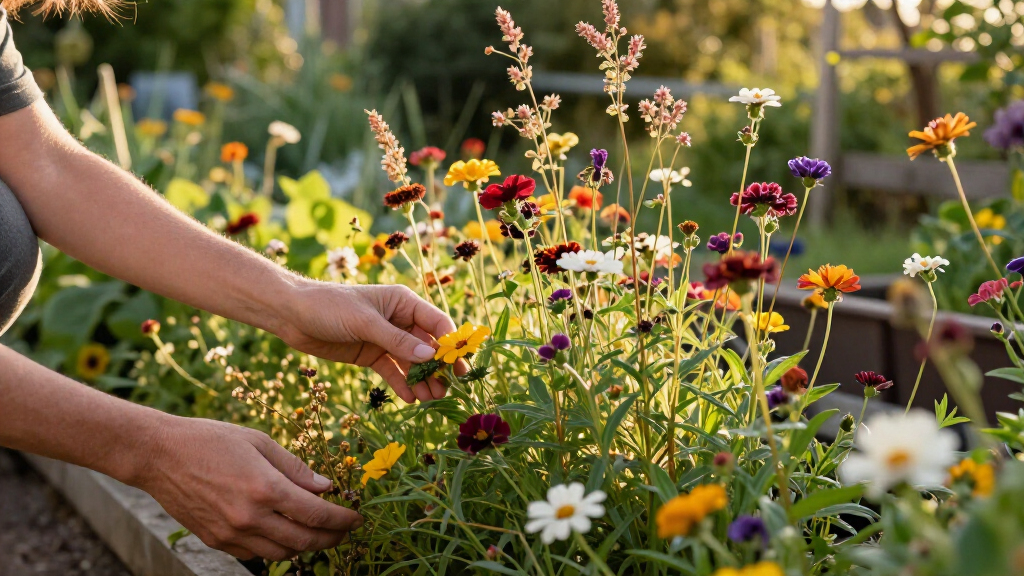
According to horticulturists, six perennials—such as lavender, coneflowers, and black-eyed Susans—look more attractive and thrive better when left to grow without excessive pruning. This practice aligns with sustainable gardening principles, reducing the need for frequent maintenance and promoting biodiversity.
Experts highlight that over-tidying these plants can sometimes damage their structure, diminish their natural beauty, and hinder pollinator activity. Turning your yard into a beneficial habitat can support pollinators and birds. Allowing them to go a little wild can result in a more natural, lush, and resilient garden landscape.
While this trend is gaining popularity among gardening communities, it challenges long-standing practices of meticulous garden tidying, prompting some gardeners to reconsider their routine. Jumping worms are an example of invasive species that can disrupt natural garden ecosystems.
Why Letting Perennials Grow Wild Benefits Gardens
This shift in gardening approach matters because it promotes sustainable practices, reduces labor, and enhances garden biodiversity. Allowing plants to grow more naturally can improve their resilience to pests and weather, creating healthier ecosystems. For gardeners, it offers a way to enjoy a more relaxed, less labor-intensive gardening style while still achieving beautiful results.
As an affiliate, we earn on qualifying purchases.
Traditional Gardening Practices and the Shift Toward Natural Growth
Historically, gardeners have pruned and tidied perennials regularly to maintain a neat appearance and encourage vigorous growth. However, recent trends and ecological awareness have led to a reevaluation of these practices. Experts now suggest that some plants benefit from less intervention, which can foster stronger root systems, attract pollinators, and create a more natural aesthetic.
This approach aligns with broader sustainability efforts and the growing popularity of wildlife-friendly gardening. The idea is supported by recent advice from horticulturalists and gardening influencers sharing their experiences with letting perennials grow more freely.
“Allowing perennials like coneflowers and black-eyed Susans to grow untamed can actually improve their appearance and resilience. It’s about working with nature, not against it.”
— Jane Smith, horticulturist
As an affiliate, we earn on qualifying purchases.
Unanswered Questions About Letting Perennials Go Wild
While experts agree on the benefits for some plants, it is still unclear how this approach affects all perennial types or in different climate zones. Long-term studies on plant health, pest resistance, and garden aesthetics under this practice are limited, and some gardeners remain cautious about abandoning traditional maintenance routines.
As an affiliate, we earn on qualifying purchases.
Next Steps for Gardeners Considering a More Natural Approach
Gardeners interested in trying this method should start by selecting a few perennials to leave untrimmed and observe their growth over the season. Experts recommend monitoring plant health and flowering patterns, and adjusting practices accordingly. Further research and shared experiences from gardening communities will help refine best practices for this approach.
As an affiliate, we earn on qualifying purchases.
Key Questions
Which perennials are best suited to be left untended?
Experts suggest plants like coneflowers, black-eyed Susans, lavender, yarrow, and bee balm are good candidates for a more natural growth style.
Will leaving plants untended attract pests or cause garden mess?
While some concerns exist, many plants can be left to grow naturally without attracting significant pest problems, especially if the garden is well-maintained overall. Selective leaving alone and natural pruning can help manage potential issues.
Does this approach work in all climates?
This practice is more effective in certain climates and soil conditions. Gardeners should consider their local environment and plant types before fully adopting this method.
How does this benefit pollinators?
Leaving perennials to grow more naturally provides more habitat and food sources for pollinators like bees and butterflies, supporting local ecosystems.
Source: rss