
TL;DR
A new gardening technique, dubbed ‘Plant Matchmaker,’ enables seamless transition between summer and fall blooms in prairie gardens. Experts say it enhances visual appeal and supports pollinators. The approach is gaining popularity among gardeners and landscapers.
Gardening specialists have unveiled ‘Plant Matchmaker,’ a novel approach to planting that creates a seamless visual transition between summer and fall in prairie landscapes. This technique, which involves carefully pairing specific plants, aims to extend blooming periods and support pollinators. The method is currently gaining traction among gardeners, landscapers, and ecological advocates, highlighting its potential to enhance both aesthetic appeal and ecological health.
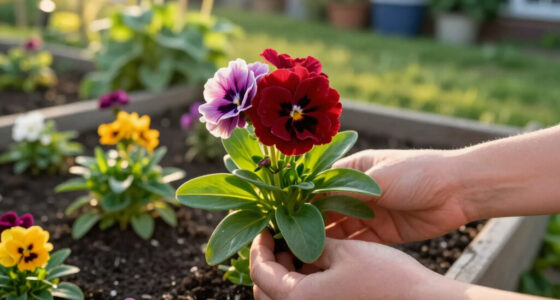
The ‘Plant Matchmaker’ strategy focuses on pairing summer-blooming plants with fall-blooming species that share similar growing conditions and complementary colors. Experts from the Prairie Garden Institute, who developed the approach, say it allows for a gradual shift in landscape color, avoiding the stark contrast often seen when seasons change abruptly. The technique involves selecting plants such as coneflowers, black-eyed Susans, and goldenrod, which bloom at different times but can be combined to create a continuous wave of color.
According to Dr. Lisa Monroe, a botanist involved in the project, ‘This method not only enhances visual continuity but also provides vital resources for pollinators that are active during the transition from summer to fall.’ The approach has been tested in several community gardens across the Midwest, with participants reporting increased pollinator activity and improved garden aesthetics. While the technique is rooted in traditional planting principles, its systematic pairing and timing are considered innovative.
Gardening retailers and landscape designers are beginning to adopt ‘Plant Matchmaker’, highlighting its practical benefits. Some practitioners emphasize that the technique requires careful planning to match plants based on growth habits, bloom times, and environmental needs. The strategy also encourages native plant use, supporting local ecosystems and reducing maintenance needs.
Why ‘Plant Matchmaker’ Changes Prairie Gardening
The ‘Plant Matchmaker’ approach matters because it offers a sustainable way to extend garden beauty and ecological support during seasonal transitions. By creating continuous blooms, it attracts and sustains pollinators such as bees and butterflies, which are vital for ecosystem health. Additionally, the technique reduces the visual and ecological gaps that often occur when gardens shift from summer to fall, making landscapes more resilient and vibrant throughout the year. As climate patterns shift, adaptable planting strategies like this could become essential for maintaining healthy, attractive gardens.
As an affiliate, we earn on qualifying purchases.
Background on Seasonal Planting Strategies
Traditional prairie and garden planting techniques often feature distinct seasonal displays, with a clear end to summer blooms and a gap before fall plants take over. Recent ecological concerns and aesthetic preferences have driven interest in extending bloom periods and supporting pollinators. While some gardeners have used succession planting informally, ‘Plant Matchmaker’ formalizes this process by pairing plants based on bloom timing and growth compatibility. The approach builds on decades of ecological gardening principles but introduces a more systematic and visually cohesive method.
This development comes amid growing awareness of pollinator declines and the importance of native plants in supporting local ecosystems. The technique aligns with broader trends toward sustainable, wildlife-friendly landscaping, especially in prairie and native plant gardens.
“This method not only enhances visual continuity but also provides vital resources for pollinators during the seasonal transition.”
— Dr. Lisa Monroe
summer to fall blooming flower plants
As an affiliate, we earn on qualifying purchases.
As an affiliate, we earn on qualifying purchases.
Unanswered Questions About Long-Term Effectiveness
It is not yet clear how well the ‘Plant Matchmaker’ approach performs across different climates and soil types over multiple seasons. While initial results are promising, long-term studies are still underway to assess durability, maintenance needs, and ecological impact. Experts caution that success may depend on precise plant selection and local conditions, requiring further research to establish comprehensive guidelines.
As an affiliate, we earn on qualifying purchases.
Next Steps for Adoption and Study
Researchers plan to expand testing of the ‘Plant Matchmaker’ method in diverse regions, including the Southeast and Southwest, to evaluate its adaptability. Gardeners and landscapers are encouraged to experiment with the technique and share results. Additionally, ecological organizations are considering incorporating the approach into broader native plant initiatives. Expect more detailed guidelines and case studies to emerge over the coming year, helping to refine and promote this innovative planting strategy.
native prairie plants for landscaping
As an affiliate, we earn on qualifying purchases.
As an affiliate, we earn on qualifying purchases.
Key Questions
What plants are best suited for the ‘Plant Matchmaker’ approach?
Native prairie plants that bloom at different times, such as coneflowers, black-eyed Susans, and goldenrod, are ideal choices for this strategy. Selection depends on local climate and soil conditions.
Does this method require special maintenance?
Generally, no. Proper plant pairing and planning are key. Once established, the plants typically require standard care, with some attention to watering and pruning as needed.
Can this approach support pollinators year-round?
It enhances pollinator resources during the seasonal transition from summer to fall but does not provide year-round support without additional plantings or strategies.
Is ‘Plant Matchmaker’ suitable for small gardens?
Yes, the approach can be adapted to various garden sizes, especially when focusing on native plants and thoughtful pairing to maximize color and ecological benefits.
Where can I learn more about implementing this technique?
Gardening organizations, local botanical gardens, and the Prairie Garden Institute offer resources, workshops, and case studies on ‘Plant Matchmaker’ strategies.
Source: rss