
TL;DR

Get garden gear delivered free — and shop member deals
- Fast, free delivery on millions of items
- Access to Prime Big Deal Days deals on October 6–7
- Prime Video, Amazon Music and more included
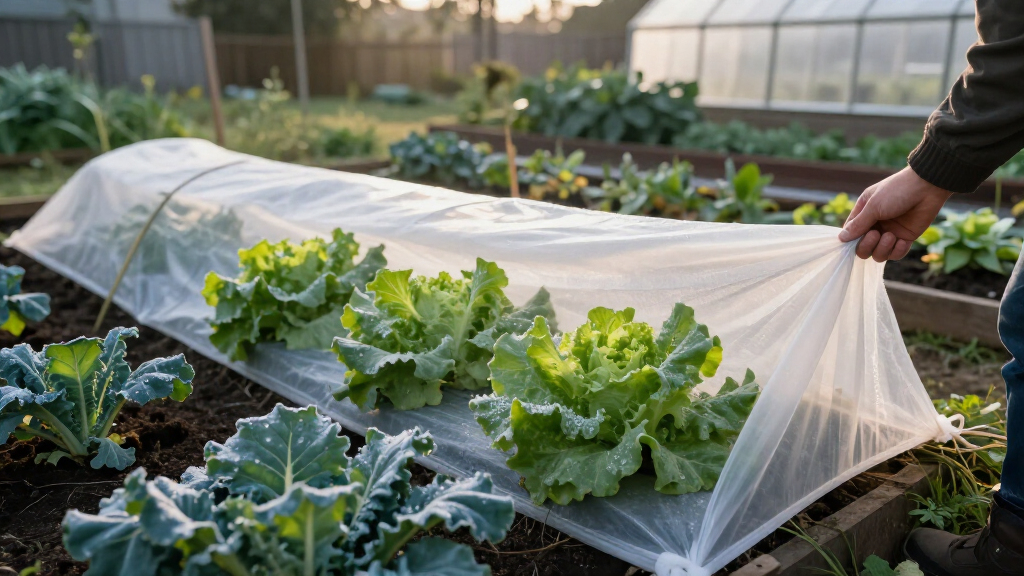
Floating row covers help protect crops from radiation frost by holding some of the heat that soil releases overnight and keeping frost from settling directly on plants. Grow Organic says protection depends on choosing an appropriate cover, securing it to the ground and removing it when daytime temperatures rise; covers may not be enough in a severe, windy freeze.
Floating row covers can reduce frost damage by trapping some of the heat that soil releases after absorbing sunlight during the day, according to a Grow Organic gardening report. The fabric also helps keep frost from settling directly on crops, but protection varies with weather, cover weight and how securely the cover is fitted; the report cautions that covers alone may not be enough during severe freezes.
The report describes the main benefit as creating a microclimate around plants. Soil absorbs heat during daylight and releases it gradually at night. A cover draped over crops can hold some of that warmth close to the ground and reduce the plants’ direct exposure to frost. This approach is most relevant to radiation frost, which commonly forms on clear, calm nights as heat escapes from the ground into the atmosphere.
Installation affects how well the method works. Grow Organic advises gardeners to drape the material to the ground and secure its edges with soil, bricks or other weights, limiting the escape of warmer air. It also recommends matching fabric weight to conditions: lightweight covers, including Agribon AG-15 and AG-19, are described as suitable for light frost, while heavier AG-50 and AG-70 covers offer more insulation. The source does not provide measured temperature gains for these products.
The report says gardeners should remove covers when daytime temperatures rise to reduce the risk of overheating. Mulch beneath a cover, such as straw or compost, can help retain soil warmth. For a strong freeze, it suggests combining covers with other measures, including plastic mulch, water-filled containers near plants or additional cover layers. It characterizes these as supplemental methods, not guarantees against cold damage.
How Cover Choice Affects Crop Protection
For gardeners facing a forecast frost, row covers offer a comparatively direct way to protect crops such as spinach, carrots and kale and potentially extend the harvest season. Their usefulness depends on the kind of cold event: a cover can help conserve heat already in the soil, but it cannot create a warm environment when a sustained mass of cold air replaces warmer conditions.
That distinction matters because radiation frost and an advective freeze pose different challenges. The report describes radiation frost as developing under clear, calm skies, while an advective freeze involves moving cold air and often stronger winds. In the latter conditions, a single lightweight cover may provide inadequate insulation. Gardeners should treat cover guidance as a risk-reduction measure and account for local forecasts, crop sensitivity and the severity and duration of the cold.
floating row covers for frost protection
As an affiliate, we earn on qualifying purchases.
As an affiliate, we earn on qualifying purchases.
Frost Conditions and Cover Limits
The source distinguishes frost formation from a broader freeze. In a radiation frost, the ground loses heat overnight, especially when skies are clear and winds are calm. A floating cover can help conserve ground warmth and shield foliage from direct frost exposure. Windy, advancing cold air changes the problem: it can displace warmer air and make maintaining a protective microclimate more difficult.
Grow Organic lists lightweight, medium-weight and heavyweight fabrics for different levels of protection, but the report supplies no independent test data, product-specific temperature thresholds or universal recommendations for every crop and climate. It also mentions incandescent holiday lights and water containers as possible supplemental heat-retention approaches. Those suggestions are the source’s guidance; their results will depend on setup and conditions.
“Floating row covers are an effective tool to protect plants from cold temperatures.”
— Grow Organic report
As an affiliate, we earn on qualifying purchases.
Protection Depends on Local Conditions
The source does not quantify how many degrees of protection each cover provides, specify temperatures at which particular crops become damaged, or cite controlled trials supporting its product comparisons. It is also unclear how much protection a cover will provide in any specific garden, since results can depend on fabric, installation, soil warmth, wind and how long cold persists. The report offers practical recommendations rather than a forecast-specific guarantee.
It does not establish that supplemental methods such as lights or water containers will prevent damage in all freezes. Gardeners should check conditions and use products as directed; the material supplied does not provide detailed safety instructions for those additional methods.
heavy-duty row cover for vegetables
As an affiliate, we earn on qualifying purchases.
As an affiliate, we earn on qualifying purchases.
Check Forecasts Before Covering Crops
The next step for gardeners is to compare the expected overnight conditions with crop needs and select a cover suited to the likely frost risk. Before temperatures fall, they can cover plants down to the ground and secure the edges, adding mulch or another layer where conditions warrant. During the day, they should check temperatures and remove the cover when warmth could build beneath it.
If strong winds or a prolonged freeze are forecast, the report indicates that row covers may need supplemental protection and may still not prevent all damage. The source provides no subsequent study or forecast update, so the actual level of protection remains dependent on conditions at each site.
garden microclimate insulation covers
As an affiliate, we earn on qualifying purchases.
As an affiliate, we earn on qualifying purchases.
Key Questions
How do floating row covers help protect plants from frost?
They can hold some heat released by soil overnight and shield foliage from direct frost exposure, creating a microclimate around crops.
Should a row cover reach the ground?
Yes. Grow Organic recommends draping it to the ground and securing the edges to limit the escape of warmer air.
Which cover weight should gardeners choose?
The report suggests lightweight fabric for light frost and heavier material for colder conditions. It gives examples ranging from Agribon AG-15 and AG-19 to AG-50 and AG-70, but does not provide tested temperature ratings.
Are row covers enough during a hard freeze?
Not always. The report says covers alone might not be enough in extreme cold, particularly when moving cold air and wind make it harder to retain warmth.
When should gardeners uncover plants?
Grow Organic advises removing covers when daytime temperatures rise, helping prevent excessive heat from building around plants.
Source: rss
Fall yard work Picks
leaf blowers
As an affiliate, we earn on qualifying purchases.