TL;DR

Get garden gear delivered free with Prime
- Fast, free delivery on millions of items
- Prime Video, Amazon Music and more included
- Member-only deals all year
Gardening Know How reports that routine pruning paint and wound sealants do not help most trees recover and may trap moisture or interfere with natural wound responses. It describes a limited exception: in areas affected by oak wilt or Dutch elm disease, treatment may be advised for certain fresh cuts to reduce insect transmission risk.
Routine tree-wound sealants are generally unnecessary after pruning or storm damage, according to a Gardening Know How report citing current arborist guidance. The report says dressings can trap moisture and interfere with a tree’s natural response to injury, while identifying a narrow exception: fresh wounds on oaks or elms may need treatment in areas where oak wilt or Dutch elm disease is present.
The report says the idea behind pruning paint comes from treating trees as if they heal like people: cover a wound to keep out infection. But trees do not repair cuts in the same way. It describes research conducted by arborists and tree scientists in the late 20th century that found routine wound dressings did not prevent decay or protect trees. It also reports that some treated wounds rotted faster and had more internal structural breakdown than exposed wounds.
According to the report, asphalt-based paints and other sealants can form a crust that cracks as bark expands and contracts. Water may enter through those cracks and remain trapped beneath the coating. Dressings can also cover living cells around a wound, which the report says can hinder the tree’s formation of callus tissue. The general recommendation is to make a clean cut and leave it unsealed rather than applying tar, paint or dressing.
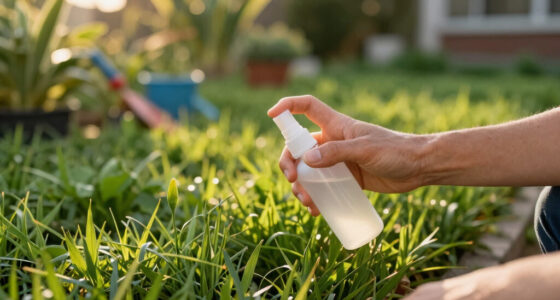
The advice is not an absolute ban. The report says sealants may serve as a barrier against insects that spread oak wilt or Dutch elm disease. In affected regions, fresh cuts or storm tears on susceptible oaks and elms can release sap that attracts those insects. The stated purpose of treatment in that situation is to reduce disease transmission risk—not to make the tree heal faster.
Why Routine Tree Dressings Can Backfire
For homeowners, the finding challenges a familiar response to broken branches: covering exposed wood to protect it. If the report’s account of arborist guidance is followed, routine sealant use can add cost and effort without providing the assumed protection, and may create conditions that hinder recovery. That is relevant after both planned pruning and storms, when fresh wounds can be conspicuous and alarming.
The exception matters because a blanket “never seal” rule could overlook local disease-control advice. Oak wilt and Dutch elm disease can spread through insect activity, so the appropriate response may depend on the tree species, local disease presence and timing of the cut. Readers should distinguish ordinary wound care from targeted measures recommended to limit a known regional threat.
Products Worth Considering

Greenworks 40V 12-Inch Cordless Chainsaw with 2.0Ah Battery and Charger

Orbit B-hyve XD 4-Port Smart Hose Watering Timer with Wi-Fi Hub

Greenworks 40V Cordless Leaf Blower/Vacuum, 505 CFM, with 5.0Ah Battery and Charger
As an affiliate, we earn on qualifying purchases.
How Tree-Sealing Advice Changed
Pruning paints and tar-like products were marketed for decades as protection against rot, pests and infection. The report traces their popularity to an assumption that a tree’s exposed wood needed the equivalent of a human bandage. Later controlled trials, as described by Gardening Know How, did not support routine use, and the report says forestry institutions and the International Society of Arboriculture advise against applying wound dressings as a general practice.
The report also mentions ground-level support for stressed trees, including mycorrhizal fungi, but presents this separately from sealing a trunk or branch wound. It does not provide evidence that such products are needed for every damaged tree. Its central distinction is between general wound treatment, which it discourages, and targeted protection against insect-borne disease in specific circumstances.
““Clean, unsealed tree cuts heal best on their own.””
— Gardening Know How report
When Local Disease Changes the Advice
The supplied report does not identify a particular region, list local infection thresholds or name a specific product and application schedule for the oak and elm exception. It also does not give the underlying studies’ citations or quantify how much sealants affected decay. The exact recommendation for an individual tree therefore cannot be determined from this report alone.
Whether an oak or elm cut needs treatment depends on local disease conditions and the circumstances of the damage. The report’s guidance should not be read as a claim that every wound on those species needs sealant, or that every sealant is appropriate. Homeowners should check current local forestry or arborist advice before treating cuts where oak wilt or Dutch elm disease is a concern.
Check Local Guidance Before Treating
For ordinary pruning or storm damage, the report’s advice is to avoid routine wound paint and leave a clean cut exposed. Where oak wilt or Dutch elm disease is present, check local guidance on susceptible species and high-risk periods before deciding whether a cut needs a protective dressing. If a storm has left a large split or damaged limb, seek a qualified arborist’s assessment rather than relying on sealant to address the underlying structural damage.
Key Questions
Should I seal a tree wound after pruning?
Generally, no. The Gardening Know How report says routine sealants do not prevent decay and can trap moisture or interfere with the tree’s natural response.
Does pruning paint stop rot or disease?
The report says trials found wound dressings did not provide the expected protection, and some treated wounds rotted faster. The supplied material does not give study details or measurements.
Are there cases when tree wound sealant is used?
Yes. The report describes a limited use for fresh oak or elm wounds in places where oak wilt or Dutch elm disease is a concern. Treatment is intended to reduce insect-borne disease risk, not speed healing.
What should I do after storm damage?
For a typical clean cut, the report advises leaving it unsealed. If a large branch is split, the tree is unstable, or local oak wilt or Dutch elm disease guidance may apply, contact a qualified arborist or local forestry service.
Source: gardeningknowhow.com