TL;DR
A Country Living report describes six birds commonly seen in U.S. yards during winter: goldfinches, cardinals, woodpeckers, nuthatches, sparrows and hawks. National Audubon Society community science director Benjamin Haywood recommends high-energy feeder foods, natural food sources and sheltered cover; the Christmas Bird Count runs December 14 to January 5.
A Country Living report highlights six birds people may spot in their yards during winter and, citing National Audubon Society community science director Benjamin Haywood, recommends food, native plants and sheltered cover to support them. The report also points readers to Audubon’s Christmas Bird Count, an annual community-science survey scheduled from December 14 to January 5.

Get garden gear delivered free with Prime
- Fast, free delivery on millions of items
- Prime Video, Amazon Music and more included
- Member-only deals all year
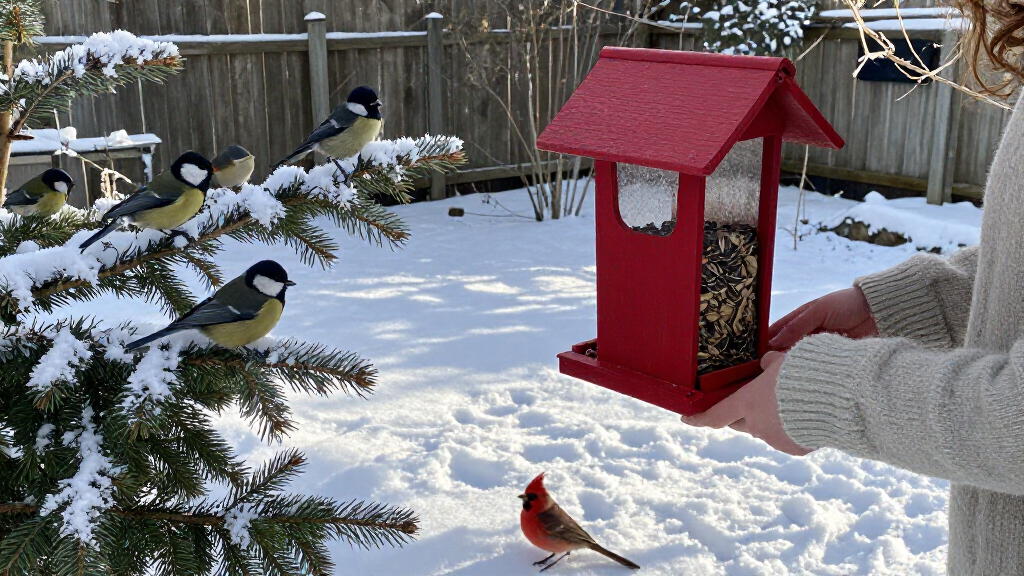
The six birds named are American goldfinches, cardinals, woodpeckers, nuthatches, sparrows and hawks. Which species appear depends on location and habitat; the report does not say every bird will be present in every yard. Goldfinches can be harder to recognize in winter because their bright summer yellow gives way to more subdued olive-brown plumage, Haywood says. Male cardinals remain red, while females are generally rosy brown.
Woodpeckers may be heard drilling into wood as they search for insects. Nuthatches are small, short-tailed birds, and the report identifies their ability to move headfirst down tree trunks as a useful clue. Sparrows vary by region; house sparrows, common in many parts of the country, have black markings on the head. Hawks may be seen circling overhead, with red-tailed, sharp-shinned, rough-legged and Cooper’s hawks among those reported in winter.
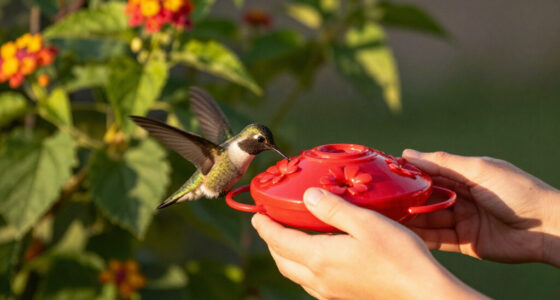
To support birds, Haywood advises keeping feeders stocked with suet, black oil sunflower seeds and nyjer, while preserving or planting natural food sources such as berry-producing shrubs and seed-bearing plants. He also points to brush piles and evergreen cover as shelter from wind and predators, two useful elements for supporting birds in your yard. The report does not provide a single feeding plan for every species or region.
Food and Shelter Through Winter
Winter can limit the food and shelter available to birds, and the report’s advice focuses on addressing both. Feeders can offer an additional food source, while shrubs and seed-bearing plants support natural foraging. Brush piles and evergreens provide cover, according to Haywood. These steps can make a yard more useful to birds, though the report does not quantify their effects on survival or local populations.
Keeping watch also gives residents a way to take part in bird monitoring. The Christmas Bird Count brings volunteers together to record birds in local areas, contributing observations to a long-running dataset used to study population trends and inform conservation work, Haywood says.
Products Worth Considering

Husqvarna Automower 435X AWD Robotic Lawn Mower

Rachio 3 Smart Sprinkler Controller, 16-Zone

EGO Power+ SNT2122 21-Inch Single-Stage Snow Blower with Two 4.0Ah Batteries and 320W Charger
As an affiliate, we earn on qualifying purchases.
Recognizing Birds in Winter
Birds’ appearance and behavior can shift with the season. Haywood says American goldfinches molt into duller winter plumage; the report notes this change can make identification less straightforward than in summer. Cardinals may also look somewhat different as feathers wear and lighting changes, though their seasonal appearance is less dramatic.
The list is a guide rather than a universal checklist. Species vary by location, and hawks in particular may be easier to spot in flight than at a feeder or near a home. The report names several hawk species but does not give regional ranges or identify which one a reader is most likely to see.
“Fall and early winter provide an ideal time to consider adding more native plants to your backyard or community.”
— Benjamin Haywood
Local Birds and Feeding Needs
The report does not identify a specific location, so it cannot establish which of the six birds will visit a particular yard. Local species and seasonal presence vary, and the article does not supply regional migration data or population figures. It also does not specify feeder quantities, maintenance schedules or whether each suggested food is suitable for every bird on the list.
Haywood describes the Christmas Bird Count as a source of data used to track population trends, but the supplied report gives no new count results. It also does not quantify how much individual backyard feeding or planting changes bird populations.
Watch for the Annual Count
Residents interested in contributing observations can look for a local Christmas Bird Count team. The annual count runs from December 14 through January 5; participants can join a group and learn from other birders, Haywood says. The report does not provide a registration link or local event listings, so readers will need to check Audubon’s count information for nearby options.
For backyard support, the practical next steps are to keep suitable feeders stocked, retain or add native plants that provide seeds or berries, and leave sheltered cover where appropriate. Watching birds over the season can also help people learn which species use their yard, but the report offers no guarantee that particular measures will attract a particular bird.
Key Questions
Which six birds does the report say may stay visible in winter?
It lists American goldfinches, cardinals, woodpeckers, nuthatches, sparrows and hawks. The birds people see vary with location.
What foods does the report recommend for feeders?
Haywood recommends suet, black oil sunflower seeds and nyjer. The report does not give feeding amounts or a maintenance schedule.
How can people provide shelter for winter birds?
The report points to brush piles and evergreen cover as shelter from wind and predators. Berry-producing shrubs and seed-bearing plants can also provide natural food.
When does the Christmas Bird Count take place?
The annual count runs from December 14 to January 5. Participants can join a local count team, according to Haywood.
Source: countryliving.com