TL;DR
A Planet Natural report recounts how a Madison gardener and his sister kept a small, labeled bean row for seed in autumn 2024, as rain threatened the drying pods. They saved suitable material, discarded questionable pods and kept the batch modest; the account does not report a germination result.
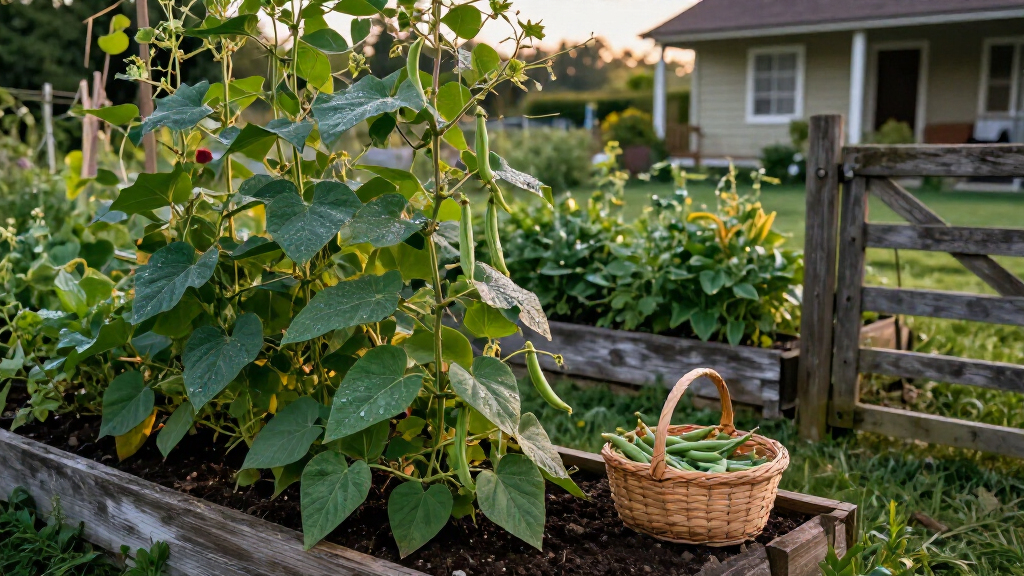
A Madison gardener kept a separate, marked bean row for seed in autumn 2024, rather than picking every pod for supper, according to a first-person report published by Planet Natural. With rain threatening the crop’s drying period, the gardener and his sister, Elena, saved a modest batch of suitable pods and discarded material they doubted, illustrating the practical choices involved in seed saving.

Get garden gear delivered free with Prime
- Fast, free delivery on millions of items
- Prime Video, Amazon Music and more included
- Member-only deals all year
The report’s central lesson is that a bean plant cannot distinguish between a pod intended for dinner and one intended for planting. The gardener decides by which pods are left to mature. Snap beans are picked while tender and their seeds are immature; shelling beans are harvested with full-sized but still soft seeds; dry beans remain on the plant until pods and seeds dry. The report cites the University of Minnesota’s home-garden bean guide for those distinctions.
Because several people might pick from the same row, the gardener marked the seed plants while they were easy to recognize. He says that made the division visible before the pods were mixed. He and Elena checked labels and condition, kept appropriate pods for careful drying and rejected doubtful ones. The account does not state the variety, the quantity saved or the eventual germination rate.
The report recommends maintaining the seed’s identity through drying and shelling: keep labels with the pods, separate different varieties physically, inspect the material and remove plant debris after shelling. It also describes testing a small sample for germination before committing a garden row to saved seed. The writer cites Illinois Extension’s paper-towel method, while cautioning that sprouting does not establish seed health, variety purity or future plant vigor.
Keeping Dinner and Seed Apart
The account matters to home gardeners because a seed-saving decision changes an ordinary harvest routine. Pods intended for planting have to remain on the plants past the tender stage, and everyone harvesting the row needs to know which ones to leave. A clear marker can prevent edible beans and seed pods from being mixed, while a small, deliberate batch limits the work of drying, sorting and storage.
The report also draws a practical line between saving seed and trying to preserve every pod. The gardener says he discarded questionable material rather than adding it to the sound batch. For readers considering the same project, that is a reminder that a saved seed supply is not automatically usable simply because it came from the garden. Labels, condition checks and a germination test help inform whether to rely on it, though they cannot guarantee a successful crop.
These are the writer’s account and recommendations, not results from a controlled trial. No yield, germination percentage or comparison with purchased seed is provided. The value for readers is the described process and its limits, rather than evidence that the 2024 batch produced a particular outcome.
Products Worth Considering

AMERLIFE 34 × 10 × 7 ft Walk-In Tunnel Greenhouse with Watering System

Rachio 3 Smart Sprinkler Controller, 16-Zone

Greenworks 48V Cordless Lawn Mower, String Trimmer, and Blower Combo Kit
As an affiliate, we earn on qualifying purchases.
From Mature Pods to Stored Seed
The report is a first-person account of work in the writer’s Madison garden during autumn 2024. The writer says he grew up watching his father raise beans outside Rockford and describes beans as a familiar crop, but he kept the variety information with the saved seed rather than treating that family history as a substitute for a label. Elena, his younger sister and a partner in their seed-sharing arrangement, helped with the work.
The sequence described starts with choosing healthy plants and an identified variety. The report says Minnesota guidance recommends open-pollinated varieties for seed saving and describes beans as approachable because they generally self-pollinate. It also cautions that this does not guarantee genetic identity or rule out crossing; gardeners seeking to maintain a variety precisely should consult suitable isolation and seed-production guidance.
As pods mature, the writer looks for brown, dry pods and seeds that rattle inside. Rain threatened the drying pods in Madison, so the report advises monitoring conditions and consulting reliable guidance if wet, cold weather arrives before harvest. Minnesota guidance, as cited by the writer, discusses bringing suitable plants indoors to continue drying. The writer stresses that indoor drying cannot make an immature or moldy pod sound seed.
The Batch’s Results Remain Unknown
The report does not identify the bean variety or give the number of pods or seeds saved. It also provides no germination result, planting outcome or later account of whether the batch was shared. The writer says the quantity was modest and that suitable pods were kept while doubtful ones were discarded, but does not quantify either group.
It is also unclear how much rain fell, how long the indoor drying took or what specific drying method was used. The report directs readers to extension guidance rather than setting out a complete technical protocol. Its account does not establish that the saved beans retained varietal purity or were free of disease; it explicitly says a germination check cannot certify either.
Test Before Planting a Row
The next step described in the report is to dry suitable pods appropriately, shell the beans while keeping the label with the batch, and inspect the seed again. The writer recommends checking a small sample on a moistened paper towel in a labeled bag or container, kept in a suitable warm place and checked according to the seed’s expected germination time. Gardeners should record the result and decide whether to rely on the batch or obtain replacement seed if the result is poor.
The report gives no future milestone for the 2024 batch, and it does not say whether the writer planted it. Its practical endpoint is a decision made before sowing: use a limited test to assess sprouting, while recognizing that the test cannot guarantee a vigorous stand or confirm the variety’s identity.
Key Questions
What happened in the report?
A Madison gardener and his sister kept a marked bean row for seed in autumn 2024, saved suitable mature pods for drying and discarded material they considered doubtful.
How are seed beans different from beans picked for food?
Snap beans are picked tender, with immature seeds. For seed saving, selected pods must stay on the plant until they mature and dry. The report also distinguishes shelling beans, whose seeds are full-sized but still soft.
Why did the gardener label the row?
The label helped other people harvesting the garden recognize which plants were being left for seed. It also helped keep the variety’s identity with the pods through drying and shelling.
Does the report say the saved seeds successfully sprouted?
No. The report describes a recommended small-sample germination check but gives no result for the batch. It also says sprouting alone does not guarantee a vigorous crop or verify variety purity or seed health.
What is still unknown about the 2024 batch?
The report does not name the variety, quantify the saved seed, give a germination percentage or say whether the beans were later planted. It also does not provide a detailed drying duration or a measured account of the rain threat.
Source: planetnatural.com