Seeing aphid mummies on your plants shows that beneficial parasitic wasps are already active and controlling aphid populations naturally. These tiny, dried shells indicate that your garden is supporting helpful insects that lay eggs inside aphids, turning them into mummies. This natural pest control reduces the need for chemicals and helps maintain a healthy garden ecosystem. If you want to know more about what these mummies mean for your garden, keep exploring the details.

Get garden gear delivered free — and shop member deals
- Fast, free delivery on millions of items
- Access to Prime Big Deal Days deals on October 6–7
- Prime Video, Amazon Music and more included
Key Takeaways
- Aphid mummies indicate parasitic wasps are actively controlling aphid populations naturally.
- The presence of mummies suggests beneficial insects have already established in your garden.
- Mummies signal effective biological pest management, reducing the need for chemical pesticides.
- Recognizing mummies helps confirm that good bugs are doing their job in pest control.
- Visible aphid mummies are a positive sign of a healthy, balanced ecosystem with natural pest regulation.
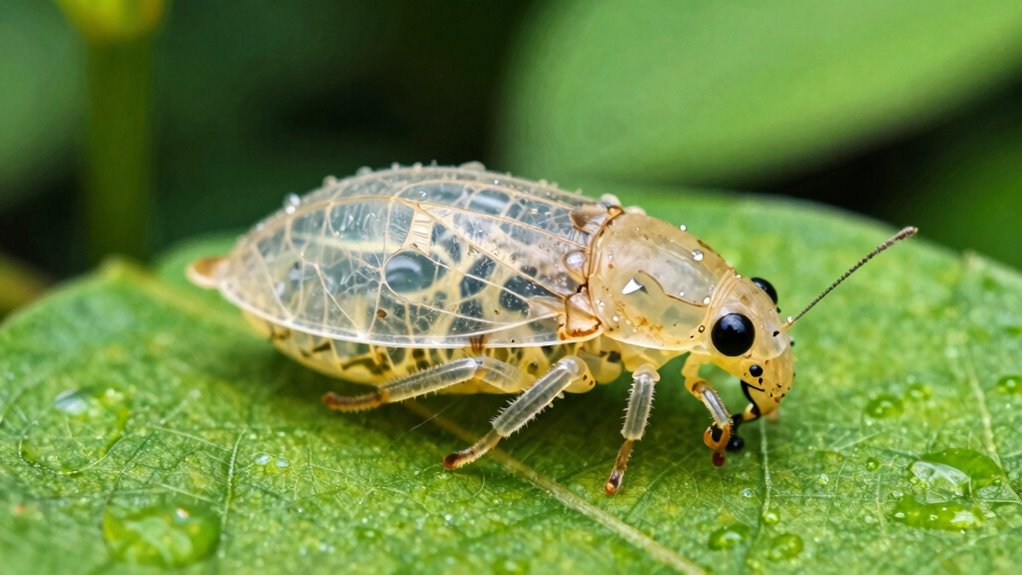
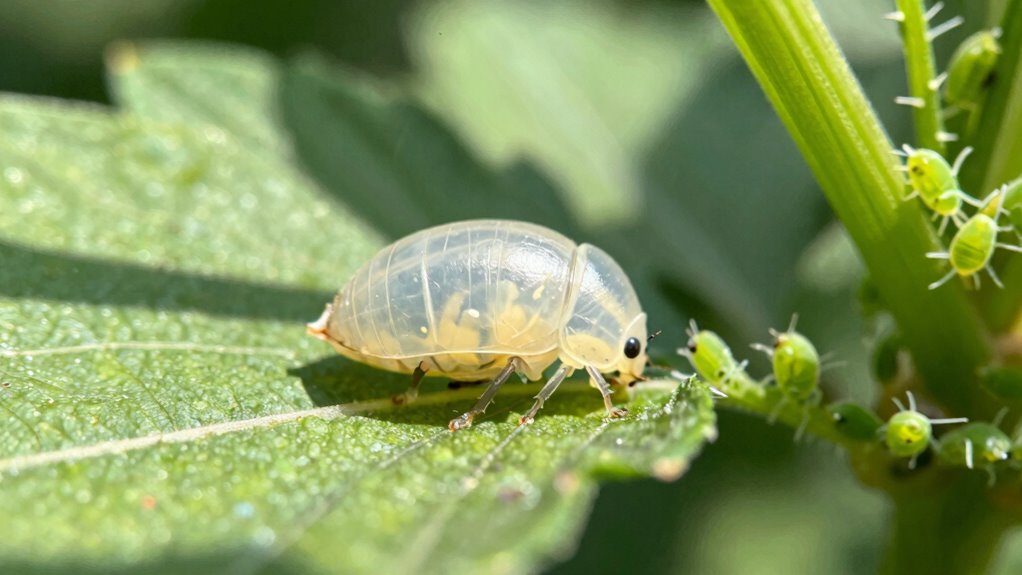
Have you ever noticed a tiny, shriveled mummy on a plant and wondered what it was? That small, dried-up shell is actually an aphid mummy, a sign that natural predators are already at work. Recognizing these mummies is a key part of pest identification, helping you understand the health of your garden and whether you need to intervene. When you see these little shriveled bodies, it’s a strong indication that biological control has kicked in, and beneficial insects are doing their job in managing pest populations.
Aphid mummies signal natural pest control in action—beneficial insects are working to keep your garden balanced.
Aphid mummies form when parasitic wasps lay their eggs inside aphids. As the wasp larvae develop, they consume the aphid from the inside out, eventually killing it. The mummified remains are the shells that hold the pupa of the wasp, waiting to emerge. Instead of reaching for chemical pesticides, you can rely on this natural process, which reduces chemical use and encourages a balanced ecosystem. Recognizing these signs can also help you make informed decisions about pest management strategies, promoting sustainable gardening practices.
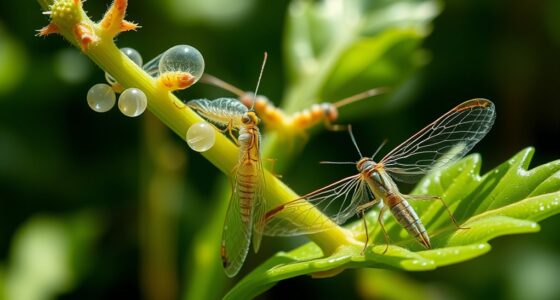
Knowing what to look for in pest identification allows you to make informed decisions about your garden’s health. Seeing these mummies means that beneficial insects are already working to keep pest populations in check. Parasitic wasps are tiny, often unseen, but their presence is a clear sign that a natural and effective biological control system is in place. They target aphids specifically, which helps keep their populations in check without harming beneficial insects or the plants themselves. It’s also helpful to understand the lifecycle of these parasitic wasps to better appreciate their role in your garden ecosystem. Additionally, understanding the natural behaviors of these pest predators can help you foster an environment that encourages their presence. By understanding pest identification through these mummies, you can avoid unnecessary chemical treatments and foster a healthier, more resilient garden environment.
If you notice an increase in aphids but also see aphid mummies, it’s a good sign that your biological control agents are doing their job. You don’t need to panic or spray immediately. Instead, observe the situation, and if the mummies are present in significant numbers, it’s likely that your garden’s natural pest control is thriving. This natural balance can keep aphid populations under control over time, reducing the need for intervention. Keeping an eye on pest identification signs like these mummies helps you maintain a garden that’s both productive and sustainable.
In short, those tiny, shriveled aphid mummies are more than just strange plant decorations—they’re a sign of a healthy, functioning ecosystem. They tell you that good bugs, like parasitic wasps, are already working behind the scenes. Recognizing these subtle clues allows you to support biological control efforts. Instead of reaching for pesticides, you can trust nature’s own pest management system, encouraging your garden to thrive with minimal interference. These mummies serve as a quiet but powerful reminder that sometimes, nature already has the solution under control.
Understanding pest identification is essential to maintaining a balanced garden, and these mummies are a clear indicator that natural pest control is in action.
beneficial parasitic wasp insect house
As an affiliate, we earn on qualifying purchases.
As an affiliate, we earn on qualifying purchases.
Frequently Asked Questions
How Do Aphid Mummies Differ From Real Aphids Visually?
Aphid mummies differ from real aphids in their appearance; they look shriveled, hardened, and often darker or brownish, indicating they’ve been parasitized. For aphid identification, focus on the mummy’s rigid, shell-like exterior, unlike the soft, plump look of live aphids. The mummy’s appearance signals successful parasitism, so spotting these helps you recognize natural pest control, showing that beneficial bugs have already taken care of the aphids.
Can Aphid Mummies Harm Beneficial Insects?
Aphid mummies, like silent guardians, generally don’t harm beneficial insects. During their lifecycle, they serve as natural pest control, signaling good bugs’ presence. However, if a parasitic wasp’s activity becomes excessive, it might inadvertently affect beneficial insect behavior, causing them to retreat. Overall, aphid mummies are more allies than enemies, showing that nature’s balance is delicate but resilient, helping protect your garden’s delicate ecosystem.
What Plants Are Most Affected by Aphids and Their Mummies?
You’ll notice plants like roses, lettuce, and peppers are most affected by aphids and their mummies because they’re highly susceptible during their vulnerable aphid lifecycle stages. Plant resistance can help reduce damage, but heavy infestations may still occur. Keep an eye out for aphid mummies, which indicate natural pest control. By encouraging beneficial insects, you support the natural balance, helping protect your plants from ongoing aphid damage.
How Quickly Do Aphid Mummies Appear After Infestation?
Like a silent watchman, aphid mummies appear swiftly, often within a week after infestation. Once the aphid lifecycle begins, parasitic wasps target and lay eggs inside the aphids, initiating the mummy formation process. As these wasps develop, they turn into mummies, signaling that natural pest control is underway. You can identify this quick response as an early sign that good bugs are actively defending your plants.
Are There Natural Predators That Target Aphid Mummies?
Yes, natural predators target aphid mummies, aiding biological control. Parasitoid wasps, such as *Aphidius colemani*, lay their eggs inside aphid mummies, turning them into parasitized hosts. Ladybugs and lacewing larvae also feed on aphid populations, helping reduce infestations. By encouraging these beneficial insects in your garden, you support natural control methods, minimizing the need for chemical pesticides and promoting a healthier, balanced ecosystem.
garden aphid control natural predators
As an affiliate, we earn on qualifying purchases.
As an affiliate, we earn on qualifying purchases.
Conclusion
So, stay sharp and scan for the subtle signs of silent soldiers—those sneaky aphid mummies. These tiny telltales tell you that beneficial bugs are already battling the bad bugs beneath the surface. By spotting these small signs, you’re staying steps ahead, supporting healthy, happy plants. Remember, nature’s natural navigators are already at work, weaving a wonderful web of wellness. Keep your eyes open and enjoy the effortless, eco-friendly equilibrium they bring!
biological pest control for aphids
As an affiliate, we earn on qualifying purchases.
As an affiliate, we earn on qualifying purchases.
As an affiliate, we earn on qualifying purchases.
Fall yard work Picks
leaf blowers
As an affiliate, we earn on qualifying purchases.