
TL;DR

Get garden gear delivered free — and shop member deals
- Fast, free delivery on millions of items
- Access to Prime Big Deal Days deals on October 6–7
- Prime Video, Amazon Music and more included
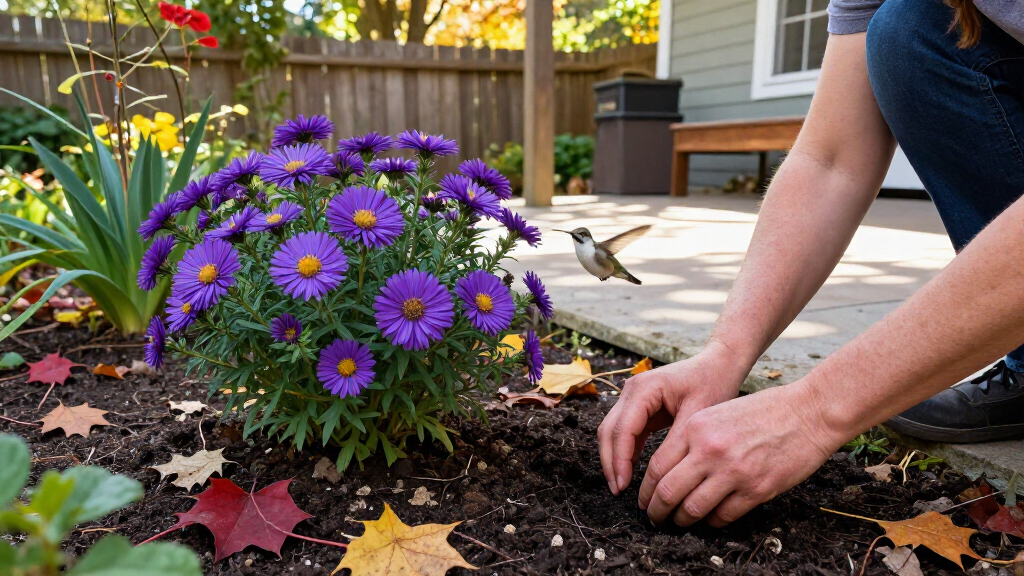
A Homes & Gardens report recommends five purple or blue-purple flowers that can bloom into fall and offer nectar to visiting hummingbirds. The choices include Mexican bush sage, catmint, great blue lobelia, agastache and obedient plant; suitability and bloom times vary by climate and cultivar.
A Homes & Gardens gardening report recommends five purple or blue-purple flowers that can provide nectar for hummingbirds during fall migration, when many summer perennials have stopped blooming. Its suggested plants are Mexican bush sage, catmint, great blue lobelia, agastache and obedient plant, though local climate and bloom timing affect whether they will flower in a particular backyard.
The report describes the plants as options for filling a seasonal nectar gap as hummingbirds move south. It says hummingbirds can see ultraviolet light and that purple and electric-blue blooms may stand out against green foliage. The article also notes that red is familiar as a color used in hummingbird feeders, but presents purple flowers as another garden choice.
Mexican bush sage (USDA zones 8–10) is described as blooming from late summer into fall, with tubular flowers on long spikes. The report advises full sun and rich, well-draining soil, with plants spaced 3–5 feet apart. Catmint (zones 3–9) may continue flowering into fall; cutting back spent flowers and leggy growth after its first flush can encourage another round. The report says its flowering period depends on the variety and may extend into October.
Great blue lobelia (zones 4–9) typically flowers from July through October and prefers moisture-retentive soil. Agastache, also called hummingbird mint or hyssop (zones 5–10), may bloom from early summer until the first frost; the report names ‘Black Adder’ and ‘Blue Fortune’ as purple-toned cultivars. Obedient plant (zones 3–9) produces pink and lavender flower spikes and may continue until frost. These are gardening recommendations from the report, not a guarantee that planting will attract a particular number of birds.
Flowers for the Fall Nectar Gap
Fall can leave fewer garden flowers available just as migrating hummingbirds continue to need energy. Plants that bloom late in the season may add a nectar source when earlier perennials have faded. For gardeners, the report offers a set of options with different soil, light and hardiness needs rather than a single universal planting prescription.
The choices may also support other pollinators: the report says catmint, great blue lobelia and agastache attract bees and butterflies as well. That makes bloom timing and local growing conditions relevant beyond hummingbirds, particularly for gardens aiming to keep flowers available later in the season.
As an affiliate, we earn on qualifying purchases.
Choosing Plants for Local Conditions
The report frames these flowers around the fall migration period and emphasizes that a plant’s value depends on when it blooms. Mexican bush sage and obedient plant are described as flowering until frost or into fall, while catmint’s late display can vary by variety. A plant listed for a broad USDA hardiness range may still behave differently depending on local weather, site conditions and cultivar.
Its practical advice differs by species: most of the selections are recommended for full sun, while obedient plant tolerates partial shade. Great blue lobelia favors wetter soil; agastache needs sufficient light to avoid weak, leggy growth; and the report cautions against excess fertilizer for catmint because its spikes may flop. These details matter when deciding what can establish and flower in a specific garden.
“These nectar-rich fall flowers … fill a ‘nectar gap’ for these birds.”
— Homes & Gardens report
fall blooming nectar plants for hummingbirds
As an affiliate, we earn on qualifying purchases.
As an affiliate, we earn on qualifying purchases.
Bloom Timing Varies by Garden
The source does not provide independent research or a measured estimate of how many hummingbirds these plants attract. Its descriptions are gardening guidance, and outcomes can vary with species, cultivar, weather and location. The report gives USDA hardiness zones but does not establish that every listed plant will bloom during migration in every region.
The supplied material also gives no exact publication date, migration route or local planting calendar. It does not say how much nectar each plant produces or compare their effectiveness. Readers should check local growing guidance and the expected first-frost date before relying on a particular plant for late-season blooms.
As an affiliate, we earn on qualifying purchases.
Check Frost Dates Before Planting
Gardeners considering these recommendations can compare each plant’s hardiness zone, sun exposure and soil needs with conditions in their yard, then check the cultivar’s expected flowering period. Established plants may be more useful for an immediate fall display than new plants that have not had time to settle in; the report does not specify how quickly newly planted specimens will bloom.
The report also points readers toward winter hummingbird care, including keeping feeders supplied, watching for nests and considering winter-flowering shrubs. It gives no specific regional schedule or care instructions in the supplied text, so the next practical step is to consult local wildlife and gardening guidance.
As an affiliate, we earn on qualifying purchases.
Key Questions
Which purple flowers does the report recommend for fall hummingbirds?
It lists Mexican bush sage, catmint, great blue lobelia, agastache and obedient plant. Their flowering times and growing requirements differ.
Do hummingbirds only visit red flowers?
No. The report says purple and blue-purple flowers can also attract hummingbirds, and attributes their visibility in part to the birds’ ability to see ultraviolet light. It does not provide a comparative test of flower colors.
Which of these plants can bloom latest in the season?
The report says Mexican bush sage and obedient plant may flower into fall or until the first frost. Agastache is described as blooming until frost, while catmint’s timing depends on variety and location.
Can these flowers grow in any garden?
No single plant suits every site. The report gives different hardiness zones and conditions: for example, great blue lobelia prefers moisture-retentive soil, while agastache is recommended for full sun.
Will planting these flowers guarantee more hummingbird visits?
No. The source offers them as nectar-producing options but provides no visitor counts or guarantee. Results can depend on local hummingbird activity, flowering conditions and other available food sources.
Source: rss
Fall yard work Picks
leaf blowers
As an affiliate, we earn on qualifying purchases.