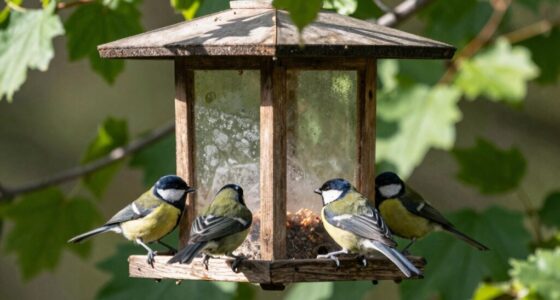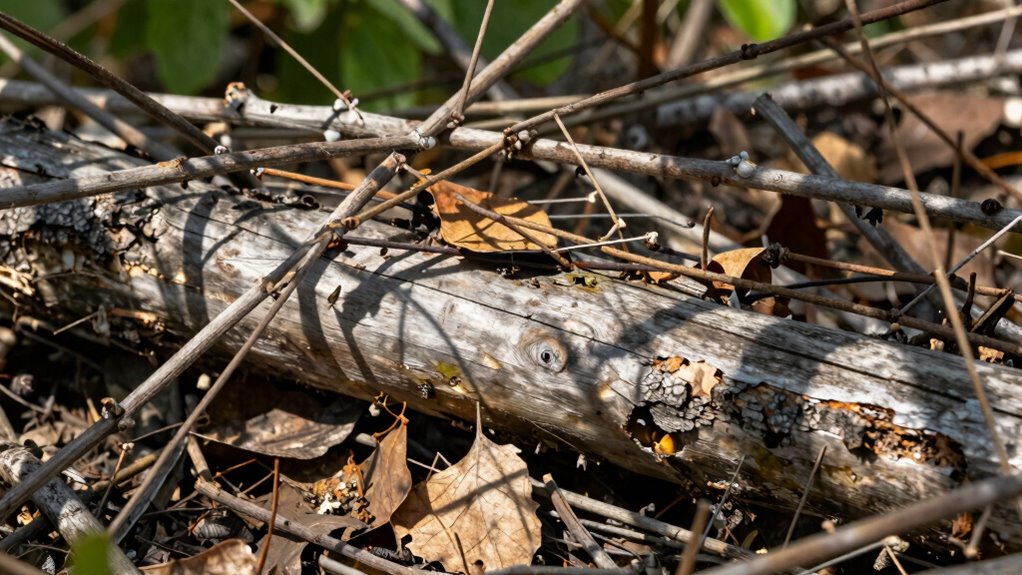

Leaving a brush pile can boost local wildlife by providing vital habitat, food, and shelter for birds, insects, and small mammals. However, it might attract pests like rodents and insects, and pose fire risks, especially in dry seasons. The key is to place and maintain the pile carefully to maximize benefits and minimize dangers. If you want to discover how to balance these factors and create a wildlife-friendly space, stay with us for more insights.
Get ready for Prime Big Deal Days — try Prime free
Exclusive member deals on October 6–7, plus fast free delivery. Cancel anytime.
As an affiliate, we earn on qualifying purchases.
Key Takeaways
- Properly placed brush piles can enhance biodiversity by providing vital habitat for wildlife.
- Without maintenance, brush piles may attract pests like rodents and insects, posing safety concerns.
- Strategic placement away from structures reduces fire risks and pest issues.
- Regular monitoring and selective clearing help balance habitat benefits and pest prevention.
- Land management goals influence whether to leave, modify, or remove brush piles for safety and conservation.
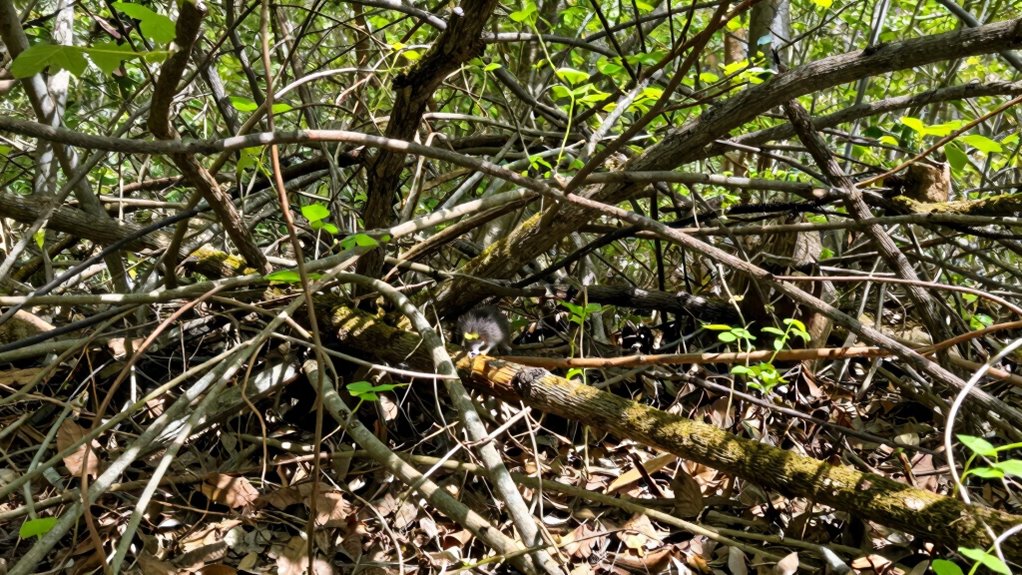
The debate over whether to leave a brush pile intact or clear it away sparks strong opinions among landowners, conservationists, and hunters alike. You might see a brush pile as a simple part of property management, or as a valuable asset for wildlife conservation. You might see a brush pile as a simple part of property management, or as a valuable asset for wildlife conservation. On one hand, leaving the pile can create critical habitat for birds, small mammals, and insects, supporting biodiversity and helping sustain local ecosystems. You’re providing shelter, nesting sites, and food sources—especially during harsh weather or scarce seasons. For landowners committed to wildlife conservation, a well-placed brush pile can be a low-cost, effective way to boost local populations of beneficial species. It’s a natural way to enhance habitat without the need for expensive habitat restoration projects. Additionally, understanding biodiversity is essential for making informed decisions about habitat management practices. Proper placement and maintenance can significantly influence the benefits your brush pile provides while minimizing potential issues. Regularly monitoring and adjusting the pile can also prevent it from becoming a pest habitat, ensuring it remains a safe and beneficial feature of your land. Incorporating native plantings near or around the pile can further support local wildlife and improve overall habitat quality.
However, some argue that leaving brush piles can invite pests or become a fire hazard. If the pile isn’t maintained or is placed too close to structures, it can harbor rodents, snakes, or insects that might become unwanted guests or even threaten human safety. As a property manager, you’re responsible for balancing wildlife benefits with the safety of your land and its inhabitants. Clearing brush piles can reduce pest populations and minimize fire risks, especially in dry seasons or fire-prone areas. Some landowners find that removing these piles makes their property look tidier and easier to manage, especially if they’re trying to cultivate specific plants or create open spaces for recreation.
The decision often hinges on your goals. If your priority is wildlife conservation, leaving the brush pile intact might be the best move, provided you place it strategically and keep it manageable. Proper placement—away from buildings and pathways—can maximize habitat benefits while reducing safety concerns. Regularly checking and maintaining the pile ensures it doesn’t become a breeding ground for pests. If you’re more focused on property aesthetics or reducing fire risk, clearing the brush might be the better choice. You can still create habitat elsewhere on your land—such as planting native shrubs or leaving natural brush areas away from structures.
Ultimately, your choice depends on your land’s specific needs and your management goals. You can also find a middle ground by selectively clearing or maintaining parts of a brush pile, offering benefits of wildlife habitat without inviting problems. Whether you decide to keep or remove it, understanding the role of brush piles in your overall property management and wildlife conservation strategies guarantees you make an informed decision that benefits your land and its ecosystems. Recognizing the importance of habitat diversity can help you tailor your approach to achieve both safety and ecological benefits.
As an affiliate, we earn on qualifying purchases.
Frequently Asked Questions
How Can I Safely Dismantle an Old Brush Pile?
To safely dismantle an old brush pile, start by wearing gloves and protective gear. Carefully remove larger branches first, then gradually break down smaller twigs. Keep an eye out for wildlife benefits, like birds or small mammals needing shelter, and avoid disturbing them. Be mindful of pest risks; if you spot pests, consider relocating or removing the pile entirely. Take your time to guarantee safety and preserve wildlife habitat.
What Alternative Habitat Options Exist Besides Brush Piles?
You can create alternative habitats using natural materials like logs, rocks, and native plants, which provide shelter and food for wildlife. Building wildlife corridors connects these habitats, allowing animals to move safely between areas. Instead of brush piles, consider installing birdhouses, bat boxes, or planting dense shrubs. These options support biodiversity while minimizing pest shelter, helping you foster a thriving, wildlife-friendly environment in your yard.
Are There Specific Times of Year to Avoid Brush Pile Construction?
You should avoid constructing brush piles during the peak bird nesting season, typically spring to early summer. Seasonal timing matters because birds often use these piles for nesting and raising their young. Building a pile during this period can disturb nesting activities, so it’s best to wait until late summer or fall when nesting is complete. This approach helps protect local wildlife and guarantees your habitat efforts are beneficial instead of disruptive.
How Do I Identify if Pests Are Inhabiting My Brush Pile?
Imagine your brush pile hosting a wild party for invasive species and predatory insects—if you see unusual activity like aggressive insects, tiny holes, or droppings, pests are likely inhabiting it. Look out for invasive species such as Asian beetles or exotic ants, and check for signs like chewed wood or carcasses. Regular inspections reveal pest presence early, helping you decide whether to manage or remove your brush pile.
What Are the Legal Considerations for Creating Brush Piles on Private Land?
You need to check wildlife regulations in your area and obtain property permissions before creating a brush pile. Local laws may restrict creating habitats that could attract certain species or pose safety concerns. Always verify if you need permits or if there are restrictions on the size or location of your brush pile. Following these legal considerations guarantees you avoid fines and promote responsible land management.
As an affiliate, we earn on qualifying purchases.
Conclusion
As you consider the brush pile debate, remember it’s a delicate balance between providing essential habitat and inviting pests. While it offers shelter for birds and beneficial insects, it can also harbor unwanted critters. You hold the power to shape your backyard’s story—whether it’s a haven of life or a pest’s refuge. Choose wisely, knowing your decision can nurture nature’s beauty or disrupt your peaceful sanctuary. The choice is yours.
fire-resistant brush pile materials
As an affiliate, we earn on qualifying purchases.
As an affiliate, we earn on qualifying purchases.
As an affiliate, we earn on qualifying purchases.
NFL season / tailgating Picks
team gear
As an affiliate, we earn on qualifying purchases.