TL;DR

Get garden gear delivered free with Prime
- Fast, free delivery on millions of items
- Prime Video, Amazon Music and more included
- Member-only deals all year
A quick DIY project can help bees survive summer heat by providing a shallow water station with stones and corks. This simple setup supports bee health and garden pollination during hot weather.
Beekeepers and gardeners can now help honeybees survive the summer heat with a simple DIY water station that takes just minutes to set up, according to recent guidance from an anonymous source. This small effort can make a significant difference in supporting bee health during heatwaves, which threaten their access to vital water sources. Help Your American Robins Beat The Summer Heat – 5 Easy Gestures of Support For Happy Backyard Birds
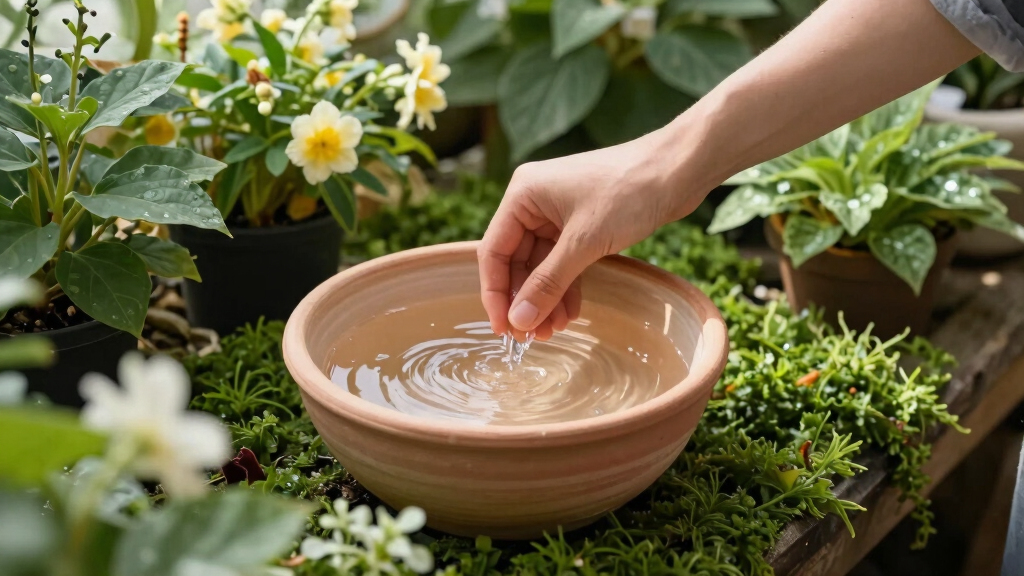
The water station involves placing a shallow, wide container—such as a terracotta saucer or pie dish—filled with fresh water and topped with pebbles, glass marbles, or stones to provide dry, stable landing spots for bees. Adding a few wine corks floating on the water helps keep bees afloat and safe from drowning. The setup is quick to assemble—taking less than five minutes—and can be placed near flowering plants to attract bees.
Experts emphasize the importance of regularly refreshing the water, especially during hot days when evaporation is rapid. Help Your American Robins Beat The Summer Heat – 5 Easy Gestures of Support For Happy Backyard Birds They advise against adding sugar or honey to the water, as this can attract wasps and spread disease. Instead, plain water is sufficient, and positioning the station in shaded, sheltered areas encourages bees to use it consistently. The guide notes that keeping the station in the same location and maintaining clean water can foster a reliable water source, encouraging bees to return and support pollination in gardens.
Why Providing Water Matters for Bee Survival
Providing a simple water station helps support bee hydration and hive cooling, which are critical during heatwaves. Bees use water not only for drinking but also to regulate hive temperature and prepare food for the brood. Without accessible water, colonies risk stress and decline, impacting pollination and local ecosystems. This small intervention can help sustain bee populations, which are vital for the health of gardens and food crops, especially amid increasing summer heatwaves linked to climate change.
As an affiliate, we earn on qualifying purchases.
Summer Heat and the Need for Bee Water Sources
Honeybees depend on a steady supply of water throughout the summer, especially during heatwaves when natural sources dry up quickly. Bees collect water and spread it inside the hive to cool the colony and soften stored honey or prepare food for developing brood. However, shallow puddles and damp ground often become unavailable during hot weather, forcing bees to expend more energy searching for water. Previous efforts to support bees have focused on planting nectar-rich flowers, but water access remains a critical, often overlooked, factor in bee health.
“A shallow dish with stones and a few corks can be set up in minutes and provides a safe drinking spot for bees during hot weather.”
— an anonymous source
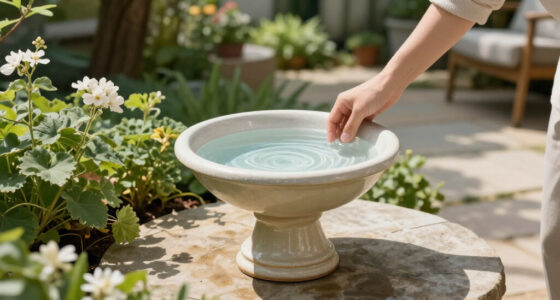
shallow bird bath with stones for bees
As an affiliate, we earn on qualifying purchases.
As an affiliate, we earn on qualifying purchases.
Uncertainties About Long-Term Effectiveness and Placement
It is not yet clear how much impact these small water stations have on overall bee populations during prolonged heatwaves. The optimal placement and frequency of water replacement may vary depending on local conditions, and more research is needed to quantify their benefits in different environments.As an affiliate, we earn on qualifying purchases.
Next Steps for Supporting Bees During Summer Heat
Researchers and conservation groups may conduct studies to evaluate the long-term effects of DIY water stations on bee health and colony survival. Gardeners and beekeepers are encouraged to implement these simple setups and share feedback on their effectiveness. Additionally, ongoing efforts to identify the best locations and maintenance routines aim to optimize support for bees during increasingly frequent heatwaves.
As an affiliate, we earn on qualifying purchases.
Key Questions
Can I use any container for the bee water station?
Yes, shallow, wide containers like terracotta saucers, pie dishes, or low bowls are ideal. The key is that they are shallow enough for bees to land safely and access water without drowning.
Why should I avoid adding sugar or honey to the water?
Sugar or honey can attract wasps and other pests, and may spread disease between hives. Plain water is safest and most effective for supporting bees.
How often should I change the water in the station?
During hot weather, it’s best to refresh the water daily or every couple of days to prevent evaporation and algae buildup, ensuring a clean, safe drinking source for bees.
Where is the best place to position the water station?
Place it near flowers bees already visit, in shaded areas out of the wind, and slightly elevated to keep it clean. Consistency in location encourages bees to return regularly.
Will this help other pollinators besides honeybees?
Yes, many native pollinators such as bumblebees and butterflies also benefit from accessible water sources during hot weather.
Source: rss
Halloween Picks
halloween
As an affiliate, we earn on qualifying purchases.