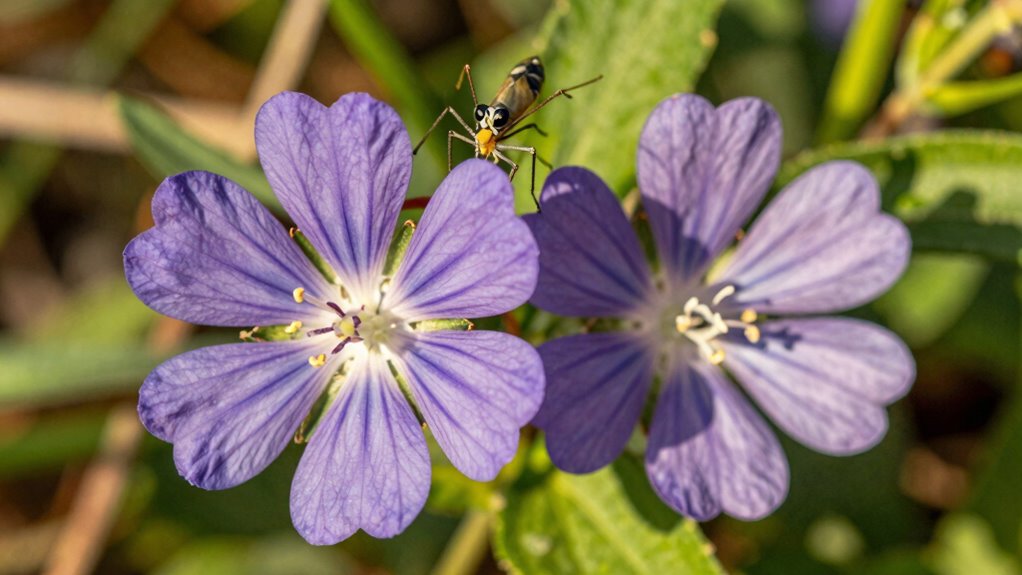

By selecting native plants that bloom at different times, you create a continuous food supply for garden predators like birds and beneficial insects. Their prey, such as insects and pollinators, rely on these blooms for sustenance. When bloom periods overlap, predators have steady access to food throughout the seasons. Focusing on native plant timing helps you build a resilient, self-sustaining garden—if you want to learn how to optimize this for a thriving ecosystem, keep exploring.

Get garden gear delivered free with Prime
- Fast, free delivery on millions of items
- Prime Video, Amazon Music and more included
- Member-only deals all year
Key Takeaways
- Native plants bloom at different times, providing continuous food sources for predators.
- Overlapping bloom periods create a steady supply of prey for insectivorous birds and beneficial insects.
- Extended flowering seasons support predator populations during scarce periods, enhancing ecological balance.
- Diverse native plant timing fosters resilient food webs, benefiting predators throughout the year.
- Proper bloom timing reduces reliance on chemical pest controls by naturally supporting predator populations.
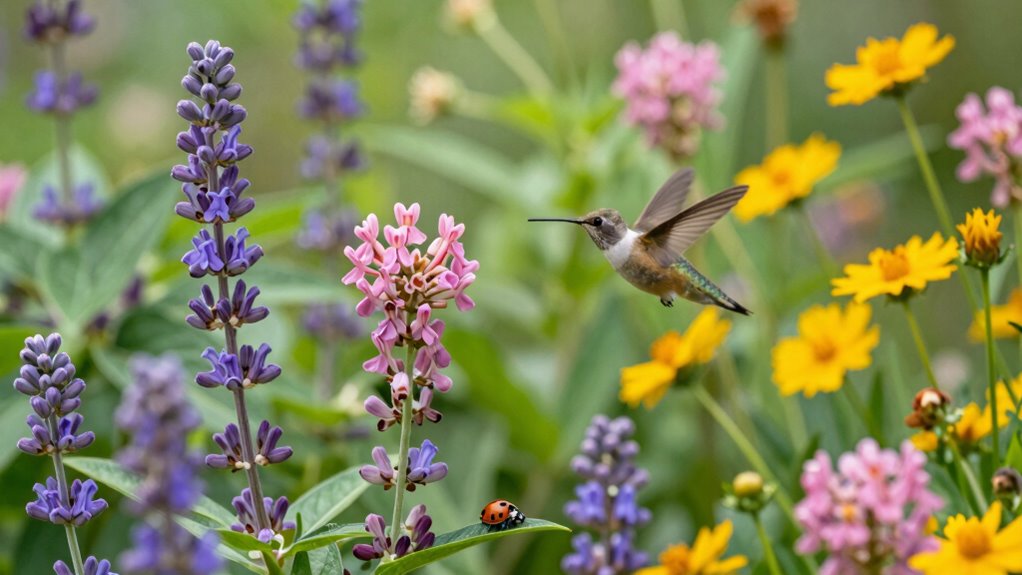
Understanding seasonal plant cycles also plays a key role in supporting garden predators, such as birds and predatory insects. These predators rely on the abundance of prey, like insects, which are often most plentiful when native plants bloom. These blooming periods are crucial for attracting pollinators, which serve as food for insectivorous birds and beneficial insects that hunt pests. By ensuring your garden has a continuous sequence of blooming native plants throughout the year, you create a steady food supply for these predators. This helps keep pest populations in check naturally, reducing the need for chemical interventions and fostering a healthier garden ecosystem. Additionally, understanding native plant bloom timing can help you plan your garden to maximize ecological benefits. Your choice of native plants and understanding their bloom timing also influences the broader seasonal plant cycles. Native plants tend to flower in a staggered manner, creating a cascade of blooms that extend the flowering season. This extended bloom time supports predators by providing a consistent food source across different times of the year. When you plant species with overlapping bloom periods, you foster a resilient environment where pollinators and garden predators can thrive, especially during lean seasons when food might otherwise be scarce. Incorporating plant diversity into your garden design further enhances the stability of these seasonal cycles and promotes a more robust ecosystem. This seasonal continuity strengthens the entire food web, making your garden more resilient to pests and environmental stresses. Moreover, selecting native plants with specific bloom periods can enhance the timing of prey availability, ensuring predators have ample resources throughout the seasons. Recognizing the importance of seasonal plant cycles can also help you design a garden that supports native wildlife year-round.
In essence, by paying close attention to native plant bloom timing, you’re actively supporting pollinator synchronization and seasonal plant cycles. This not only benefits the pollinators and predators in your garden but also enhances the health and vibrancy of your entire landscape. Your deliberate planting choices can create a balanced, self-sustaining ecosystem where every creature plays its part, ensuring a thriving garden that benefits from natural ecological processes.
As an affiliate, we earn on qualifying purchases.
Frequently Asked Questions
How Do Native Plant Bloom Times Vary Across Different Regions?
You’ll notice native plant bloom times vary across regions due to differences in climate, soil, and daylight hours. These variations align with local pollination cycles and dormancy periods, ensuring plants thrive during ideal conditions. By understanding regional bloom patterns, you can plan your garden to support native pollinators and predators year-round, creating a resilient ecosystem that benefits both your garden’s health and local wildlife.
What Environmental Factors Influence Native Plant Blooming Schedules?
You can influence native plant blooming schedules through environmental factors like soil moisture and pollination synchronization. Adequate soil moisture guarantees plants have the necessary water to initiate flowering, while synchronized pollination timing aligns with pollinator activity, encouraging blooming at ideal times. Variations in temperature, sunlight, and rainfall also play vital roles in shaping when native plants bloom, helping them adapt to their specific regional conditions and support garden predators effectively.
Can Non-Native Plants Be Integrated Without Disrupting Predator Support?
Yes, you can integrate non-native plants without disrupting predator support if you choose carefully. Avoid invasive species that can outcompete native plants and attract pests, which may increase pest attraction and harm your garden balance. Select non-natives that don’t interfere with native bloom timing or predator habitats. By doing so, you support beneficial insects and predators, maintaining a healthy ecosystem while diversifying your garden.
How Do Climate Changes Affect Native Plant Bloom Timing?
Climate changes can disrupt native plant bloom timing, affecting pollination synchronization. When flowering periods shift, plants may not align with pollinators’ activity, reducing pollination success. Additionally, changing climates can favor invasive species, which may outcompete natives and further disturb bloom timing. This imbalance impacts garden predators that depend on native plants for food and shelter, ultimately threatening the entire local ecosystem’s health and stability.
What Are the Best Native Plants for Supporting Specific Garden Predators?
You can support garden predators effectively by planting native species like milkweed, goldenrod, and asters, which foster pollinator relationships. These plants attract beneficial insects such as ladybugs and predatory wasps, vital for pest control strategies. By providing consistent blooms that match predator activity periods, you guarantee these helpful insects thrive, naturally managing pests and maintaining your garden’s health throughout the season.
native perennial flowers for pollinators
As an affiliate, we earn on qualifying purchases.
As an affiliate, we earn on qualifying purchases.
Conclusion
By understanding native plant bloom timing, you support garden predators like birds and insects, creating a balanced ecosystem. This synchronized flowering guarantees food is available when predators need it most, reducing pests naturally. While some might doubt the impact, evidence shows that planting native species truly benefits local wildlife and your garden’s health. So, when you choose plants that bloom at the right times, you’re helping nature’s predators thrive—and your garden flourish.
beneficial insect attracting native plants
As an affiliate, we earn on qualifying purchases.
As an affiliate, we earn on qualifying purchases.
native plant seed packets for year-round bloom
As an affiliate, we earn on qualifying purchases.
As an affiliate, we earn on qualifying purchases.
Columbus Day / Indigenous Peoples' Day Picks
long weekend sales
As an affiliate, we earn on qualifying purchases.