TL;DR

Get garden gear delivered free with Prime
- Fast, free delivery on millions of items
- Prime Video, Amazon Music and more included
- Member-only deals all year
A Homes and Gardens report featuring advice from Cornell Lab of Ornithology’s Miranda Rinck describes ways to make yards more useful to chickadees in winter. Recommendations include retaining dense evergreen cover, making brush and leaf piles, and planting native trees; these steps can provide shelter and food, but do not guarantee that more birds will visit.
A Homes and Gardens report featuring advice from Miranda Rinck of the Cornell Lab of Ornithology describes steps homeowners can take to make yards more useful to chickadees during winter. The recommendations focus on preserving shelter and natural food sources, including by limiting heavy pruning, leaving some leaves, and creating brush piles.
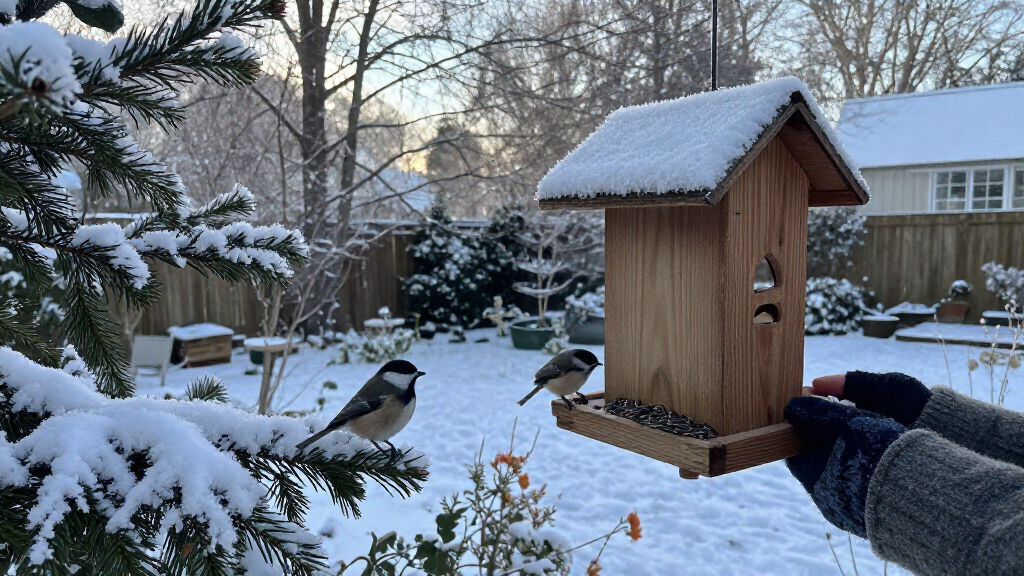
Chickadees remain in their ranges through winter rather than migrating south, according to the report. Rinck says they spend the season in flocks searching for food and shelter, and some northern populations face months of freezing temperatures. The report describes seven chickadee species across North America, each occupying different ranges.
One recommendation is to avoid heavy fall pruning of native pines, spruces, firs and dense shrubs, except where branches are dead, diseased or damaged. Evergreen cover can shelter birds from wind, snow and predators, and may provide places for them to store food. Rinck advises particular care around woodland edges and sheltered parts of a yard.
The report also recommends making a brush pile from branches and twigs in a quiet yard corner and leaving some fallen leaves, which can help provide birds with food and shelter. Brush piles offer cover and small spaces where birds can cache seeds; leaf litter supports insects and eggs that chickadees may eat while foraging. Planting native trees, including spruce, pine, oak, fir and juniper, can add cover and food sources over time.
Winter Cover and Food in Yards
For people who want to support local wildlife, the advice centers on habitat rather than a promise of attracting a particular number of birds. Retaining plants and leaving some natural material in place can offer chickadees cover, foraging opportunities and seed-caching sites during a season when conditions are harsh.
The approach also has implications for routine yard maintenance: a tidy, heavily cleared garden may offer fewer of the natural features described in the report. Keeping leaves or branches in a designated area can support insects and other wildlife as well as birds. The source does not quantify how much these changes affect chickadee numbers or visitor sightings.
Products Worth Considering

Husqvarna Power Axe 350i 18-Inch Cordless Chainsaw Kit

EGO POWER+ 21 Cordless Electric Lawn Mower Kit, Self-Propelled

Yardenaler 6 x 10 ft Wooden Walk-In Greenhouse with 6 mm Polycarbonate Panels
As an affiliate, we earn on qualifying purchases.
Chickadees Stay Through Winter
The report says chickadees occur across the United States, Canada and Mexico, with species associated with different environments. Black-capped Chickadees occupy much of Canada and the northern two-thirds of the United States, while Chestnut-backed Chickadees are found along the West Coast. Boreal Chickadees are associated with northern forests, and Carolina Chickadees occur farther south, with some overlap in range with Black-capped birds.
Other species have more localized habitats: Mountain Chickadees live in western mountain forests, while Mexican Chickadees occur mainly in Mexico’s mountains and in parts of Arizona and New Mexico. These differences mean the species likely to use a yard depends on its location and surrounding habitat. The article’s recommendations are general habitat practices, not a guarantee that every species will appear in every yard.
“Chickadees spend the winter in flocks searching for food and shelter, with some species up north enduring months of freezing temperatures.”
— Miranda Rinck, Engagement Support Specialist for Project FeederWatch at the Cornell Lab of Ornithology
What Yard Changes Can Promise
The report does not provide measurements showing how much any one change increases chickadee visits, nor does it promise that a yard will attract more birds. Results may depend on location, local species, existing habitat and food availability. It also does not give a single planting calendar applicable to all climates; whether a tree can be planted in fall depends on local conditions.
The source offers broad recommendations rather than species-specific instructions for every region. Residents should identify which chickadees occur locally and adapt habitat choices accordingly. The report does not describe a monitoring period or provide data comparing yards with and without these features.
Seasonal Steps for Homeowners
Homeowners can begin by reviewing fall cleanup plans: retain healthy native evergreens, set aside a quiet space for branches, and leave some leaf litter where practical. Those considering trees can select native species suited to local conditions and check whether the ground and season are appropriate for planting.
Any change in bird activity will become apparent over time rather than immediately. The report points readers toward habitat practices, but it identifies no follow-up study or next formal milestone. Residents who want to track visits can observe their yards through the season and record what they see, while recognizing that such observations alone do not establish how much a particular change caused.
Key Questions
Do chickadees migrate south for winter?
The report says chickadees generally stay in their ranges through winter and search in flocks for food and shelter.
Should I prune evergreen trees in fall?
The advice is to avoid heavy pruning of native pines, spruces and firs in fall, except to address dead, diseased or damaged branches. Dense cover can shelter birds.
How can a brush pile help chickadees?
A brush pile can provide cover and small crevices where chickadees may cache seeds. It can also support insects that birds forage for.
Do leaf piles feed chickadees directly?
Leaf litter can support overwintering insects and insect eggs, which chickadees may eat while foraging. The report also describes leaves as habitat, not as a guaranteed food supply.
Will these changes guarantee more chickadees in my yard?
No. The report offers habitat recommendations but provides no measured increase or guarantee in bird visits. Local species and surrounding conditions can affect what appears.
Source: rss