TL;DR
Prime for Young Adults — start your free trial
Fast free delivery, streaming and member deals for eligible 18–24 year olds.
Try it freeAs an affiliate, we earn on qualifying purchases.
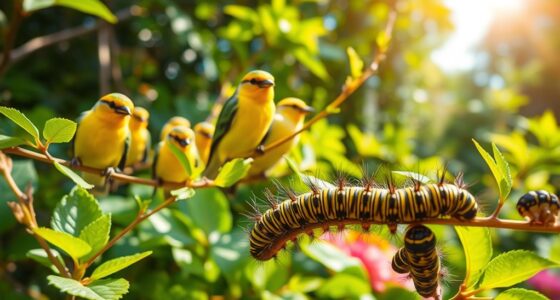
As fall approaches, experts recommend planting seven specific plants to provide birds with essential food and shelter. These plants support local bird populations through the colder months. The advice aims to help homeowners create bird-friendly yards before winter sets in.
As fall approaches, ornithologists and bird conservationists emphasize the importance of planting seven specific plants in residential yards to provide vital food sources and shelter for local bird populations during the colder months. This guidance aims to help homeowners create bird-friendly environments that support species survival through winter.
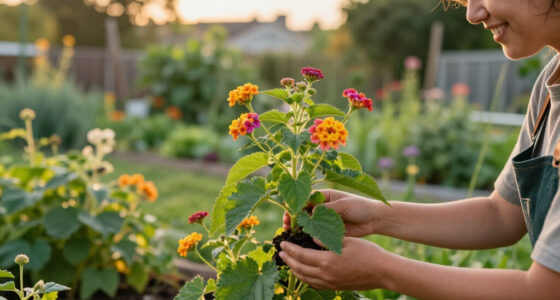
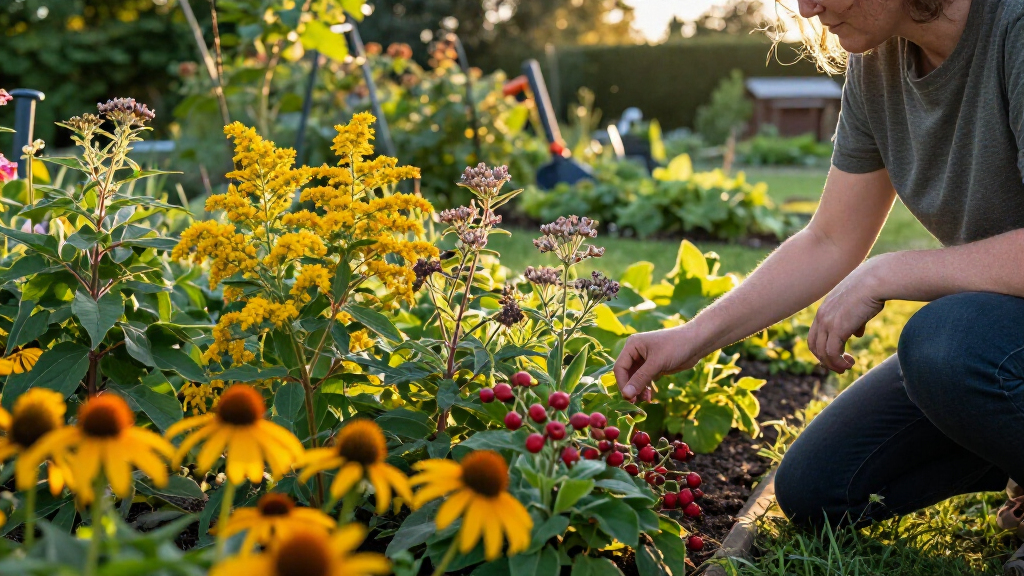
According to wildlife experts, the seven recommended plants include native trees, shrubs, and perennial flowers that produce seeds, berries, and insects, essential for birds’ diets. The list features plants such as junipers, serviceberries, blackberries, goldenrod, asters, coneflowers, and sunflowers. These plants are selected for their ability to provide year-round food and cover, especially as natural sources diminish with the changing season.
Planting these species now ensures that birds have access to critical nutrition and shelter as they prepare for winter migration or survival. 6 Tough Ground Cover Plants To Add To Your Garden In August. Experts note that native plants are preferred because they are better suited to local ecosystems and attract a wider variety of insects, which are a primary food source for many bird species.
Wildlife organizations and local conservation groups recommend homeowners incorporate these plants into their landscaping, emphasizing that even small yard modifications can significantly impact bird populations during the fall and winter months. Turn Your Yard Into A Migrating Bird’s Favorite Pit Stop.
Why Supporting Birds Before Winter Matters
Providing birds with access to essential food and shelter before winter is crucial for their survival, especially as natural food sources become scarce. By planting these seven species, homeowners can help maintain local biodiversity and support bird populations during the harshest months. This effort also benefits the broader ecosystem, as birds play key roles in pest control, seed dispersal, and pollination.
Additionally, creating bird-friendly yards can foster community engagement with conservation efforts and increase awareness about native plant species. As climate change and habitat loss continue to threaten bird populations, proactive measures like planting these seven species are increasingly vital for conservation.
native bird-friendly plants for yard
As an affiliate, we earn on qualifying purchases.
As an affiliate, we earn on qualifying purchases.
Native Plants and Bird Conservation Strategies
Many conservationists emphasize the importance of native plants because they are adapted to local conditions and support a diverse array of insects and wildlife. The recommended plants are native to various regions and are known for their resilience and ecological benefits. Historically, natural habitats provided abundant food and shelter for birds, but urbanization and landscaping trends have reduced these resources.
Recent studies highlight that yards with native plants attract more bird species and provide better nourishment during migration and winter. Experts have long advocated for integrating native flora into residential landscapes as a cost-effective, sustainable way to support local ecosystems.
Planting these species now aligns with ongoing conservation efforts to restore habitat connectivity and bolster bird populations facing threats from climate change, invasive species, and habitat degradation.
“Plantting native trees and shrubs now can make a significant difference in providing birds with the food and shelter they need during winter.”
— Dr. Emily Carter, Ornithologist
bird seed and berry producing plants
As an affiliate, we earn on qualifying purchases.
As an affiliate, we earn on qualifying purchases.
Uncertain Impact of Planting Timing and Local Variations
While experts agree on the benefits of planting these seven species before fall, it is still unclear how effective these measures are across different regions with varying climates and ecosystems. The exact timing for optimal planting may differ based on local conditions, and the long-term impact on specific bird populations remains to be studied further.
Additionally, some homeowners may face challenges in sourcing native plants or managing their landscapes to support these species effectively. More research is needed to quantify the direct benefits of such planting efforts on bird survival rates during winter.
As an affiliate, we earn on qualifying purchases.
Next Steps for Bird-Friendly Landscaping Initiatives
Conservation groups and local agencies plan to promote these planting recommendations through educational campaigns and community programs. Researchers will continue to monitor bird populations and habitat quality to assess the effectiveness of native plantings. Homeowners are encouraged to start planting now and share their experiences to help refine best practices.
Future initiatives may include providing resources for native plant sourcing, offering planting guides tailored to specific regions, and expanding public awareness about the ecological benefits of native landscaping for bird conservation.
As an affiliate, we earn on qualifying purchases.
Key Questions
Which plants are recommended for supporting birds before winter?
The seven recommended plants include junipers, serviceberries, blackberries, goldenrod, asters, coneflowers, and sunflowers.
Why are native plants preferred for bird support?
Native plants are better adapted to local conditions, attract more insects, and provide better food and shelter for local bird species.
When is the best time to plant these species?
The optimal planting window is before the onset of fall, ideally in late summer to early autumn, to allow plants to establish before winter.
Will planting these plants attract more birds to my yard?
Yes, planting these native species can attract a variety of birds by providing critical food sources and shelter during the fall and winter months.
Are there regions where these recommendations may not apply?
Yes, regional climate and ecosystem differences may influence the effectiveness of these plants, and local experts should be consulted for tailored advice.
Source: rss
NFL season / tailgating Picks
team gear
As an affiliate, we earn on qualifying purchases.